




Hot Tags
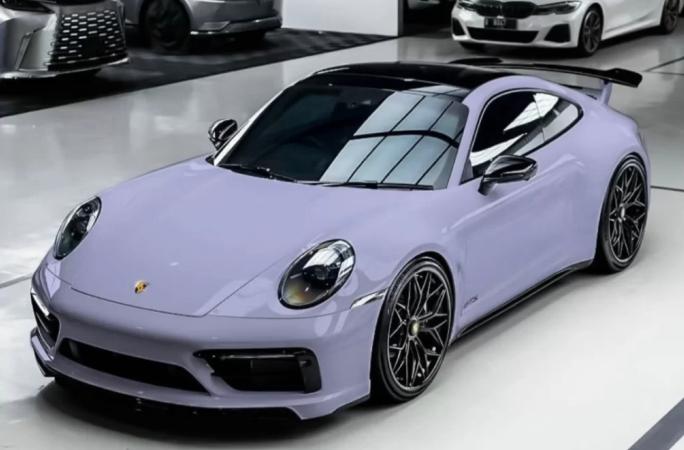
Car Color Change Wrap | Top Color Trends and Visual Selection Guide
January 13, 2026


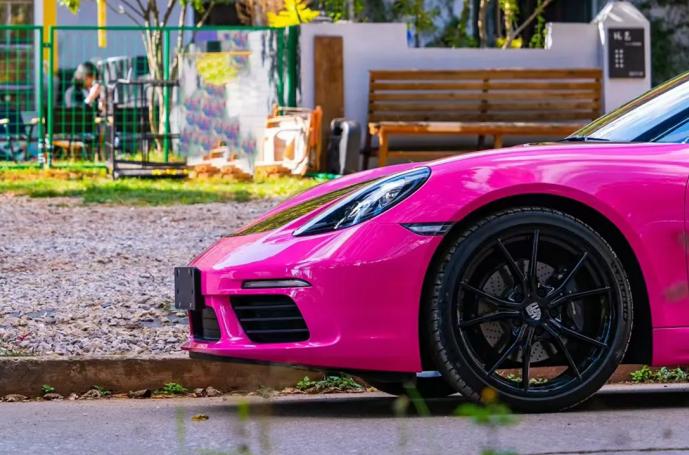
A Car Color Change Wrap is the quickest, lowest-commitment way to reinvent a vehicle’s look while safeguarding the paint you already paid for. Instead of weeks in a spray booth, you’re looking at a few working days to alter color, sheen, and surface feel – then drive away with a fresh identity that can be reversed at any time. For enthusiasts, business fleets, and drivers who need visual impact without permanent paintwork, a Car Color Change Wrap blends style, practicality, and paint preservation in one move.
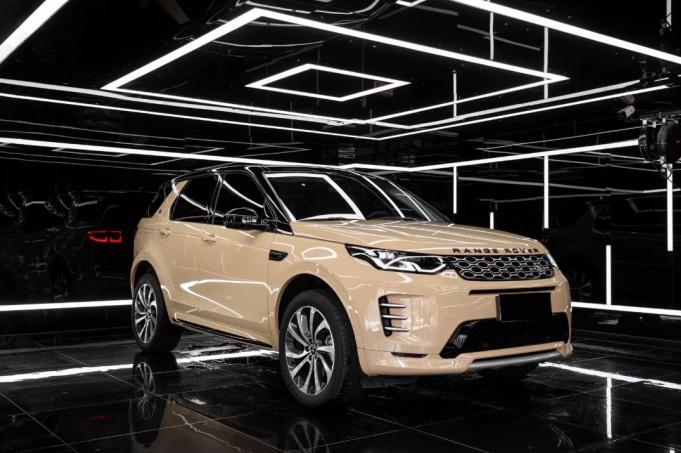
What Is Car Color Change Wrap: Core Facts and 2026 Outlook
A Car Color Change Wrap is a precision-cast vinyl (or polymer) film applied over the OEM finish to change the car’s color and finish without sanding away the factory coating. Think of it as a removable outer shell: it soaks up light abrasion, UV, bugs, and grime so the original clear coat ages more slowly beneath. When installers map panels, use knifeless tape for safe cuts, and heat-set the film correctly, the wrap conforms to compound curves and comes off cleanly later with the paint intact.
Modern films are engineered around three pillars:
• Conformability: Elastomeric layers allow stretching into tight radii, mirror caps, and bumper inlets without whitening or undue stress.
• Adhesion control: Pressure-sensitive adhesive delivers initial tack but permits lift-and-reset adjustments for precise alignment.
• Air-release channels: Micro-channels vent trapped air, reducing bubbles and keeping surfaces smooth.
The finish spectrum is wide – mirror gloss, low-glare satin, stealth matte, fine metallics, brushed metal, forged carbon-style textures, and muted color-shifts that move under changing light. Edges and deep recesses are post-heated to set the film’s “memory,” improving hold on door shuts, wheel lips, and bumper tucks. Looking toward 2026, expect quieter luxury cues: tighter metallic flake control, cleaner pigments, low-haze satin top layers that sharpen body lines, and growing interest in PVC-light or PVC-free options for brands focused on sustainability.
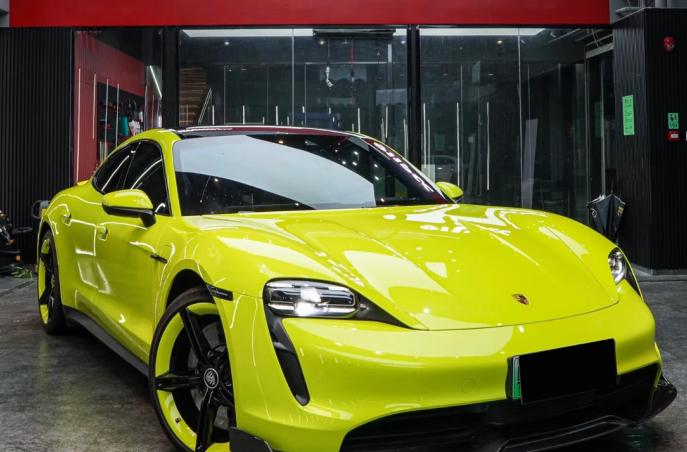
u Benefits and Lesser-Known Details
A Car Color Change Wrap does more than turn heads. It solves daily-use problems and can protect resale value:
• Paint preservation: The wrap takes the punishment from UV, bird droppings, and micro-chips, sparing factory clear coat.
• Reversible styling: Change color or finish now, return to stock later – no respray, no blending, no downtime for polishing cycles.
• Faster completion: From drop-off to handover often takes a couple of days, minimizing time off the road.
• Edge integrity: Proper edge prep and post-heat lock in cast film, reducing seasonal movement and preventing seam lift.
• Edge management: Thoughtful seam planning, deep edge wrapping, and edge seal where appropriate keep high-touch areas from lifting.
• Light control: Satin and matte reduce glare – useful for bright climates and night driving under LED streetlights.
• Easy cleaning: Fresh film sheds dust and pollutants better than oxidized paint; pH-neutral hand washing keeps it looking crisp.
• Interior benefits: Darker, low-gloss hoods can cut windshield reflections, improving perceived cabin comfort on sunny days.
u 2026 Color and Material Trends
Design language in 2026 favors restraint, tactility, and controlled reflectivity:
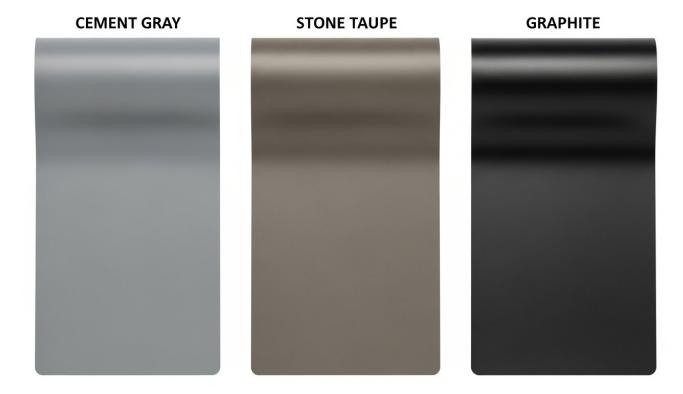
• Hyper-matte neutrals: Cement gray, stone taupe, and graphite create stealth presence on SUVs and fastback sedans without feeling flat.
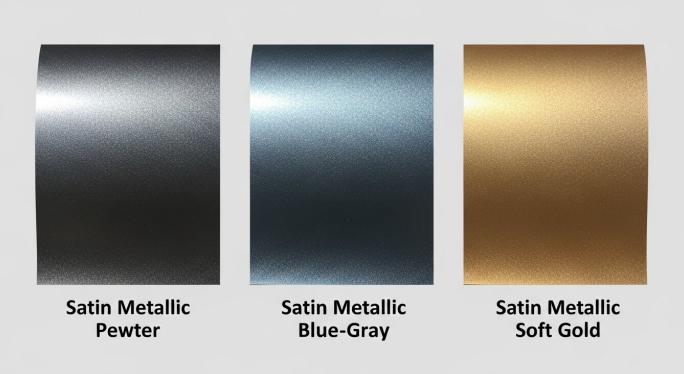
• Satin metallics: Uniform, fine flake in pewter, blue-gray, and soft champagne adds daylight depth without glitter.
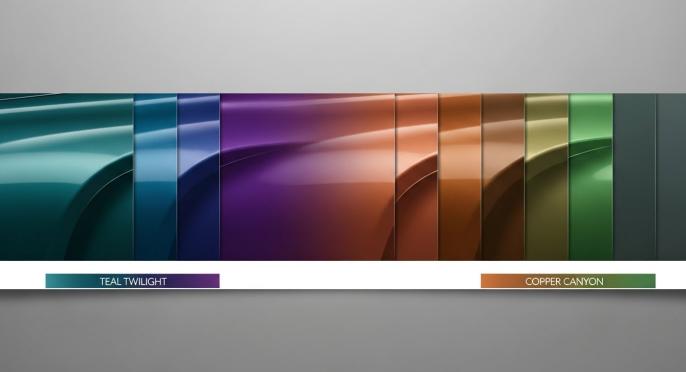
• Subtle color-shifts: Tight gradients – teal to violet, copper to green – deliver motion that reads premium rather than flashy.
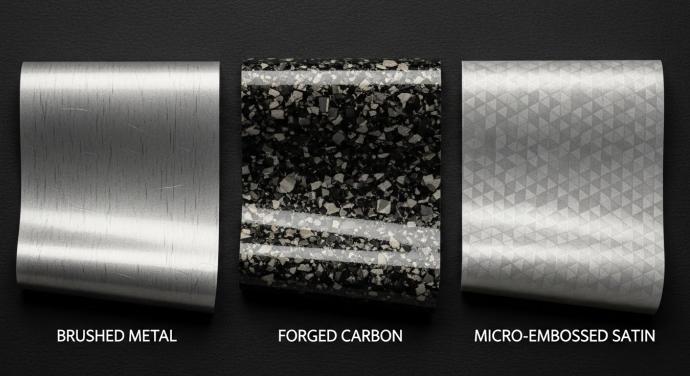
• Crafted textures: Brushed metal, forged-carbon motifs, and micro-embossed satins nod to coachbuilt craftsmanship.
• Ceramic-look satins: Low-haze satins that sharpen feature lines under sun and LED, ideal for cars with strong surfacing.
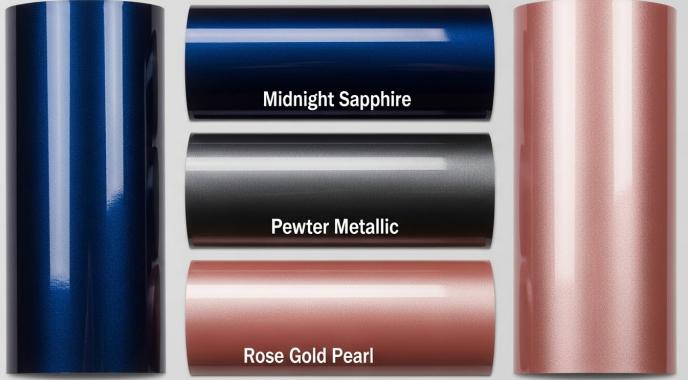
If you park outdoors in sunny regions, satin and micro-matte finishes strike a sweet spot: they mute glare, hide minor dust, and keep the body’s shape legible from every angle.
u How to Choose with Confidence
•Define the use case: Daily outdoor parking needs UV-stable films with robust top layers. Highway drivers often pair a Car Color Change Wrap with paint protection film (PPF) on the front clip for stone guard duty.
•Build a short list with A4 swatches: View them in direct sun, overcast shade, and under cool-white and warm-white LEDs. Colors that look great at noon can flatten under garage lighting – verify both.
•Curve and edge test: Ask for a small sample to lay on a tight curve or door edge. Watch how the finish behaves over convex and concave surfaces and whether metallic flake stays even.
•Vet the installer: Ask about seam mapping, knifeless tape usage, panel removal vs. on-car application, edge wrapping depth, post-heat targets, and cure times before washing. Review photos of complex parts like bumpers, mirrors, and handles.
•Check batch consistency: For metallics and color-shifts, confirm panels come from the same lot code to avoid visible tone differences across doors and fenders.
•Plan the details: Decide on door jambs (wrap or leave OEM), chrome deletes, emblem reinstallation, and any two-tone roof schemes in advance.
Visual Selection Guide: Color, Finish, and Light Behavior
A great result is no accident. Matching a vehicle’s surfacing to color and finish – and testing how the combo behaves in varied light – can improve proportions, reduce visual clutter, and project the right message in everyday settings.
u Color Psychology for Daily Use and Branding
•Executive fleets: Satin charcoal, deep navy, and almond beige communicate discretion and professionalism; they also photograph consistently for brand assets.
•Performance builds: Deep jewel tones – emerald, garnet, sapphire – accentuate form breaks and shoulder lines while staying tasteful.
•Urban commuters: Mid-tone grays, blue-grays, and muted olives hide dust, water spots, and city grime better than pure black or bright white.
•Adventure vehicles: Earth tones (sand, clay, forest) in matte or satin read purposeful and mask trail wear between washes.
•EV startups and tech-forward brands: Clean whites, soft silvers, and pale pastels in satin imply modernity and efficiency without harsh reflections.
- Practical note: Very dark gloss colors can show micro-marring and fingerprints quickly; very light mattes can hold onto road film. If low maintenance is a priority, choose mid-tones and satin or micro-matte finishes.
u Finish and Form
•Gloss: Maximizes reflectivity, making surfaces look wet and deep. Great on rounded, organic shapes. Shows swirls more readily – hand wash only.
•Satin: The all-rounder. Soft reflection that sharpens body lines without harsh glare. Hides minor dust and wash marks better than gloss.
•Matte: Minimal reflection, strong silhouette. Best on vehicles with clear, confident surfacing. Requires careful cleaning to avoid shiny spots from rubbing.
•Textures: Brushed metals elongate panels visually (nice on long hoods). Forged-carbon patterns add motorsport energy to splitters, roofs, or mirrors when used as accents.
u Lighting Checkpoints
•Midday sun: Confirms flake uniformity and whether the color washes out or blooms too bright.
•Overcast: Reveals the body’s true shape; a good satin will still show crease lines clearly.
•Night under LEDs: Tests glare control and how the finish photographs under streetlights.
•Garage and office park lighting: Catches the everyday view most people will see; judge readability and cleanliness here.
Always photograph swatches on the car in each lighting scenario; cameras exaggerate some hues, so compare to the naked eye before deciding.
u Practical Fitment Notes
•Seams and overlaps: Plan hidden seams that follow factory panel breaks and shadow lines. Fewer, smarter seams outlast aggressive single-piece stretches.
•Door jambs: Full jamb coverage delivers a seamless look but adds labor. Many daily drivers opt to wrap only the visible returns for a neat, affordable result.
•Jamb strategy: Full jamb wraps add labor but deliver continuous, factory-like coverage.
•Hardware plan: Mirrors, handles, badges, and trim should be removed for crisp edges. Tag all components, note torque specs, and replace compromised clips during reassembly.
•Sensors/ADAS: Establish clear procedures for parking sensors, radar covers, and cameras. Mark keep-clear zones or specify compatible films, then schedule a post-install calibration or diagnostic check.
•Documentation standard: Archive film brand, color code, batch/lot, installer details, and installation date to make future repairs or partial replacements straightforward.
Care, Longevity, and Cost
•First week: Avoid washing and high-pressure sprays until adhesives cure – your installer will specify the window (often 48 – 72 hours).
•Washing: Use pH-neutral soap, soft wash mitts, and gentle microfiber drying. Skip automatic brushes. Spot-clean bug hits promptly.
•Protection: Wrap-safe ceramic sealants exist; if you choose one, verify compatibility with your film’s top layer. Avoid petroleum-based dressings on edges.
•Edge-safe products: Do not use petroleum or solvent-heavy dressings on wrap edges. They can cause swelling, staining, or edge lift. Choose water-based detailers formulated for vinyl.
•Lifespan guidance: With proper care, films run 3–5 years in high-UV belts and 5–7 years in milder zones. Horizontal surfaces age first.
•Repairability: Car Color Change Wraps are modular – individual panels can be swapped after minor incidents, making maintenance straightforward and budget-friendly.
- Cost drivers: Total cost is influenced by car size, panel count and curvature, film type (standard vs. specialty), two-tone schemes, and whether door jambs and inner returns are included. As a ballpark, many sedans land in the mid four figures, SUVs higher; textures and color-shifts add premium. Get a line-item quote that lists film brand, coverage, and warranty terms.
Closing Thought
A well-planned Car Color Change Wrap is equal parts design and craft. Start with a clear use case, shortlist colors that respect the vehicle’s shape, verify your choice in real-world light, and pick an installer who sweats the details. Do that, and you’ll get a finish that looks intentional, protects your paint, and stays fresh through daily miles – while keeping the option to change again when the next idea strikes.