




Hot Tags
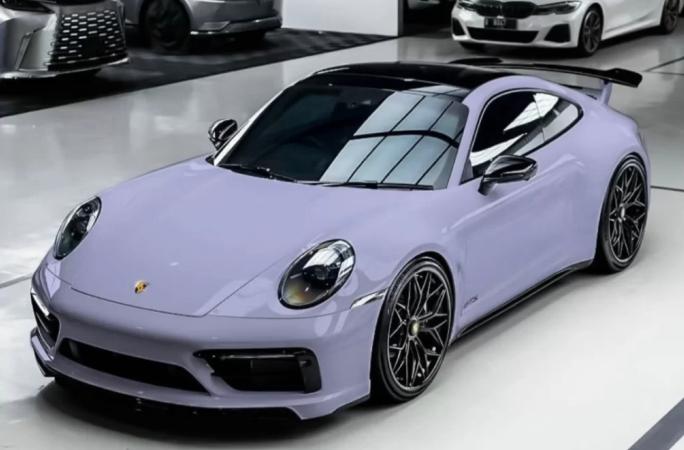
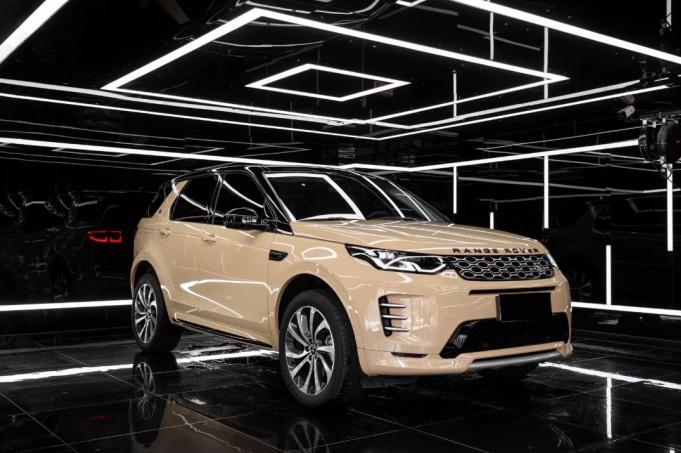
Car Window Privacy Film : Reduce Heat and Glare for Comfortable Journeys
January 12, 2026


A cooler cabin, fewer squints, and a cleaner-looking interior – those are the everyday perks you notice first with Car Window Privacy Film. If you’ve climbed into a car that feels like it’s been baking or fought the low sun slicing across the dashboard, you know how small annoyances add up. A good privacy film takes the edge off: it cuts glare to help your eyes relax, trims heat so the AC doesn’t have to sprint, and shields surfaces from UV, all while keeping the view outside sharp and true.
What Car Window Privacy Film Actually Does
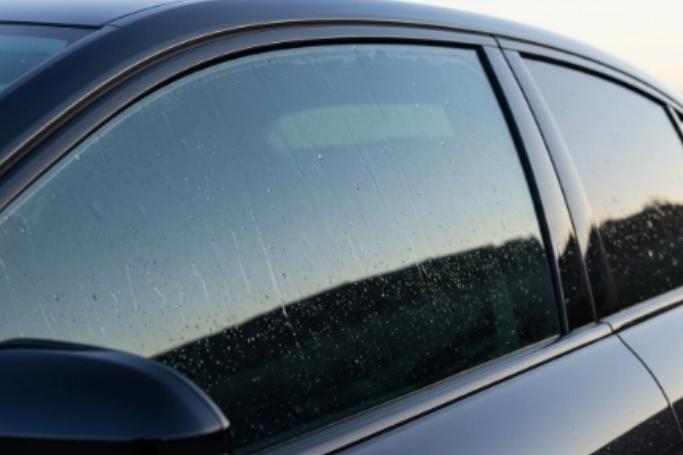
Car Window Privacy Film is a thin, optically neutral layer that bonds to your vehicle’s glass. Its job is to manage light, tame solar heat, and give you privacy without compromising safety. The key spec here is visible light transmission (VLT). With options from about 5% up to 80%, you can tune how bright – or discreet – each window should be. Crucially, the film is non-metallic. That matters because metallic tints can interfere with GPS, LTE, Bluetooth, toll readers, and modern driver-assistance systems. A signal-friendly, non-metallic film keeps your navigation, calls, tags, and sensors working as intended.
Clarity first, always
A well-made film stays color-neutral and resists haze. Road markings, mirrors, and digital instrument clusters need crisp contrast; a neutral-tone film preserves that. High-quality, color-stable materials hold their look over time, and engineered adhesives remain uniform even with daily door cycles and wide temperature swings. The finish should resemble factory glass – just more comfortable to live with.
Heat, Glare, and UV – Handled by Design
Sunlight carries UV, visible light, and infrared energy. Car Window Privacy Film filters that spectrum strategically. UV absorbers cut the radiation that fades leather and soft-touch plastics and can contribute to eye strain over long drives. By moderating transmission across the visible range, the film reduces harsh reflections from chrome trim, wet pavement, and low-angled sun that make your eyes work harder. Thermal moderation slows the cabin’s heat-up during peak sun, easing the load on climate control and making the interior feel steadier. Done right, you won’t notice a color cast or added haze – the world outside should look natural and accurate.
u Fixing Everyday Pain Points
• Overheating cabins: Bare glass welcomes more solar gain. The AC runs harder, fuel or battery range drops, and passengers feel sluggish. Privacy film reduces heat load so temperatures stay more manageable.
• Glare and eye fatigue: Strong reflections degrade visual acuity and reaction time. A neutral-tone Car Window Privacy Film smooths those peaks, keeping dash screens, mirrors, and lane markings easy to read.
• Curved rear glass and panoramic roofs need film that can stretch and settle without stress. Conformable films and heat-formed installs cut bubbles, distortion, and edge lift for a factory-clean finish.
• Tight arcs and compound curves are no problem for films engineered to drape evenly. The result is smooth coverage with no micro-bubbles or waviness.
• One-piece applications on deep, wrapped glass call for high-conformity materials. They bond uniformly and resist peeling even at tricky corners.
• Panoramic sections and steep rear windows can be unforgiving. Purpose-built films conform neatly, maintaining optical clarity and an edge-to-edge uniform look.
• Complex shapes amplify flaws. Advanced adhesives and stretchable film reduce tension lines and lift, delivering a seamless, OEM-like appearance.
From hatchback domes to long roof panels, a conformable Car Window Privacy Film hugs curves cleanly, minimizing bubbles and keeping edges tight. The broad VLT range offered by Car Window Privacy Film helps you tailor each pane to local regulations while maintaining a balanced cabin. If you frequently drive at night or in heavy rain, consider slightly higher VLT on driver-critical windows to protect contrast and depth perception. When in doubt, confirm local guidelines before you finalize your spec.
u Installation that Respects Modern Curves
Automotive glass is rarely flat anymore. Tight arcs, compound curves, and deep contours demand a film and adhesive system that can stretch, settle, and bond without stress. Professional installers prep the surface thoroughly, position the film with care, manage pressure with precision, and heat-form where necessary. The goal is simple: no creases, no trapped dust, no edge peel. A proper installation keeps color stable and clarity high, even after countless door slams, rough roads, harsh sunlight, and seasonal swings.
Choosing Your Spec with Intent
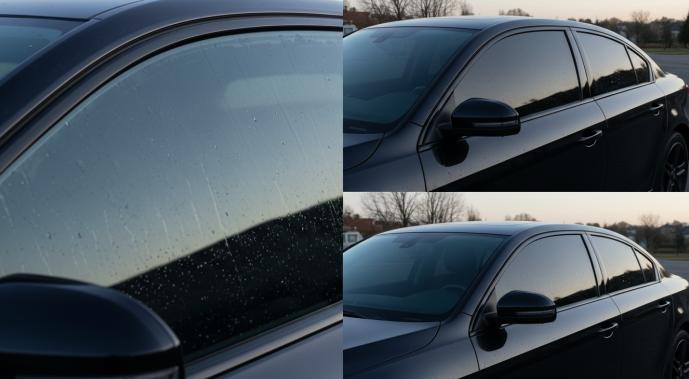
Choose with purpose. Climate dictates your baseline, driving patterns fine-tune it. In high-sun areas, prioritize glare moderation and comprehensive UV shielding. In variable weather, opt for mid-level VLT to balance daytime brightness with night vision. If your commute meets the sun head-on, a touch darker on side and rear glass can help, while the windshield and front doors stay brighter. For fleets, durable, color-stable Car Window Privacy Film makes maintenance predictable and keeps the lineup looking aligned.
- Thickness Matters in Daily Life
Thickness isn’t just a spec; it’s about how you use the vehicle. Standard films feel light and pliable for typical ownership. Reinforced films resist wear from constant door use and repeated detailing, making them a smart pick for commercial duty or shared cars. Select the profile that fits your routine.
u Key Specifications to Keep in View
• Visible Light Transmission: Approximately 5%–80% for precise brightness and discretion control.
• Material: Non-metallic film that’s friendly to connectivity and driver-assist tech.
• Visual quality: Color-neutral finish to maintain true tones and display readability.
• UV defense: High rejection helping protect leather, textiles, and interior plastics.
• Fit and bond: Advanced adhesive systems with conformable film for seamless wrapping on complex geometry.
• Film profile: Standard versus reinforced, selected by workload and driver expectations.
u Type-specific Setups
• Family: Mid-level VLT for comfort by day, clarity by night.
• Client-facing sedans: Maintain lighter front windows; go darker in the rear for privacy.
• Fleet: Reinforced, non-metallic films for tough environments and signal-stable performance.
u A Quick, Human Checklist
• How much privacy do you want where you drive and park?
• What are your local tint rules for front, rear, and side windows?
• Do you often drive at night, in rain, or on reflective highways?
• Which devices rely on clean signal paths (GPS, toll tags, Bluetooth)?
• Is your vehicle’s glass notably curved or complex?
• Do your mileage and cleaning habits call for a reinforced thickness?
Care and Upkeep, Simplified
After installation, give the film a few days to cure before rolling windows down. Clean with gentle, ammonia-free solutions and a soft microfiber cloth. Skip abrasive pads and harsh chemicals. Keep an eye on corners and seals; early detection of edge lift preserves an OEM-like finish and a bubble-free view.
Ready to Make Every Drive Feel Easier?
If you’re aiming for cooler interiors, fewer squints, and a factory-clean look, Car Window Privacy Film is a smart, affordable upgrade. Reach out to tailor your VLT, verify compliance in your region, and pick the thickness engineered for your use case. We’ll handle the certified install, giving you a sleek, signal-stable result that cools quickly and keeps the view clear. Your next commute – and your next road trip – will thank you.