




Hot Tags

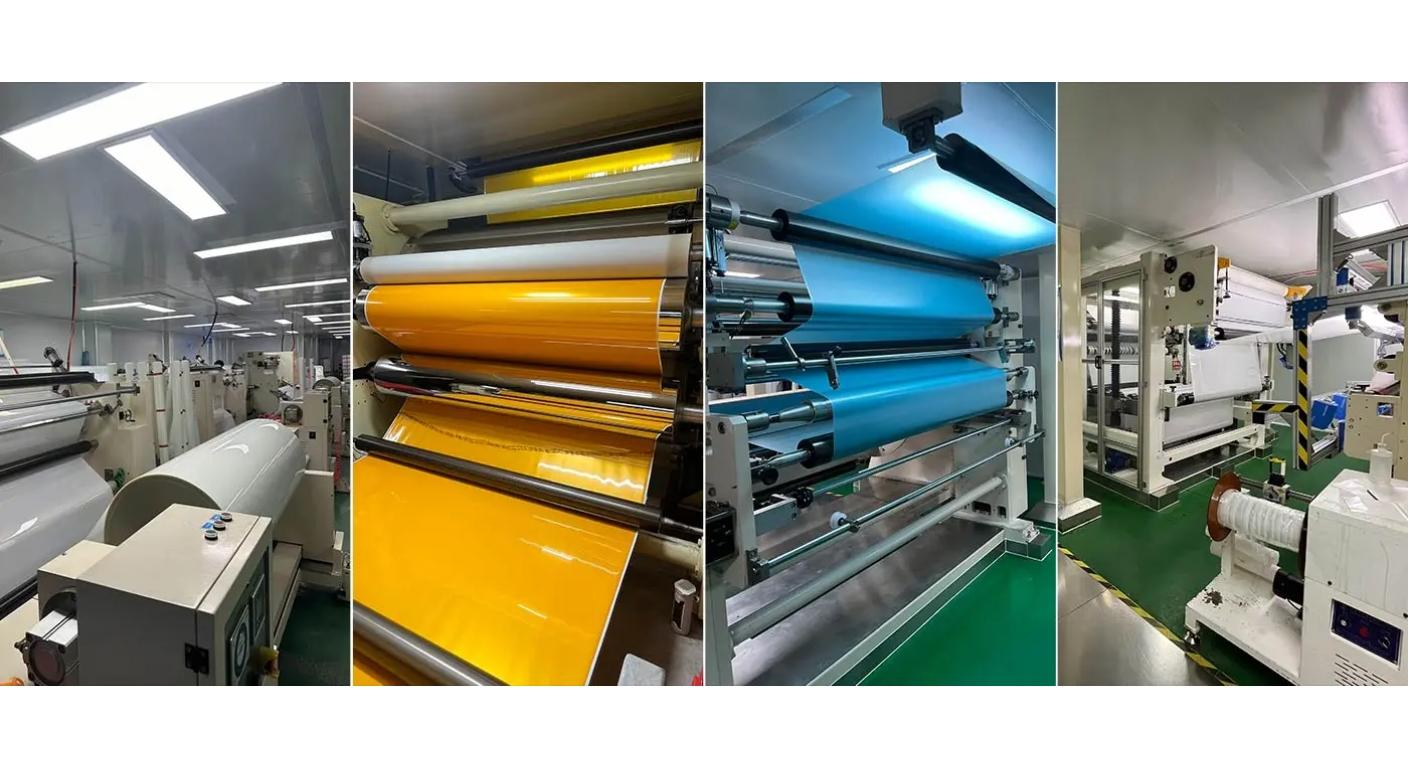
Color PPF Film for Automotive Businesses: Create a Collection Ready for Sales and Service
November 11, 2026


An outstanding colour can be the talk of the trade but not be a reliable part of the workshop. Admire it online, with sample or hearing installation price, they choose something simpler. In the automotive industry, a good coloured PPF (printed window) range must be able to transform the attention into work that can be provided and avoided on a regular basis.
In the automotive industry, color PPF film has been combined with protective film layer to provide a change in appearance. Commercial opportunities involve the question of what finishes to include in the core and how each one will be approved, as well as support that customers receive once the final approval of the product is given. Begin with a small scope and a well-defined service offer.
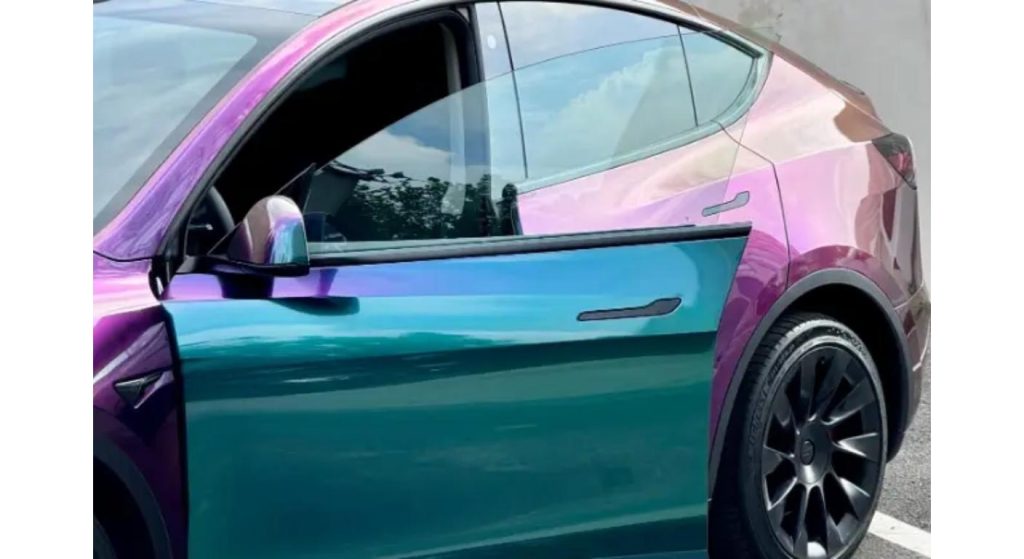
Outline the Customer Promise prior to extending the Catalogue.
Determine the problem that your offer is going to resolve. Some customers are looking for a controlled colour shift where the paint may change, but will not be the primary visual element; some are looking for a different colour that will be the distinct visual element of the car. Here are the various forms of that motivation, in terms of consultation times and expectations of the final result of the car.
Don't call coloured PPF just a "colour wrap" that is more costly. Describe the product (as built) and the protection offered. The consumer must comprehend what they are buying, and not be told that any film will not be damaged by paint.
The coloured PPF range from HEY FILM is split into 4 categories; 'gloss', 'gloss metal', 'matt metal' and 'special-design'. These categories should be used to structure a well-defined Customer Journey and not every available colour should be featured prominently. The intention is to assist the buyer to make an appropriate choice.
Construct a Core Range and Distinctive Showcase.
Select main finishes based on research and past projects, customer needs. Neutral colours do not necessarily have to be considered, but their popularity should be evaluated by the numbers. Follow the movement of samples to parts of a quotation and the movement of quotations to parts of an installation.
HEY FILM's Gloss Black PPF is a tangible solution to test a controlled-styleing service. On its product page, it mentions that it is made of aliphatic polyurethane and hydrophobic and self-healing properties. Verify the existing specification before adding those to your sales piece.
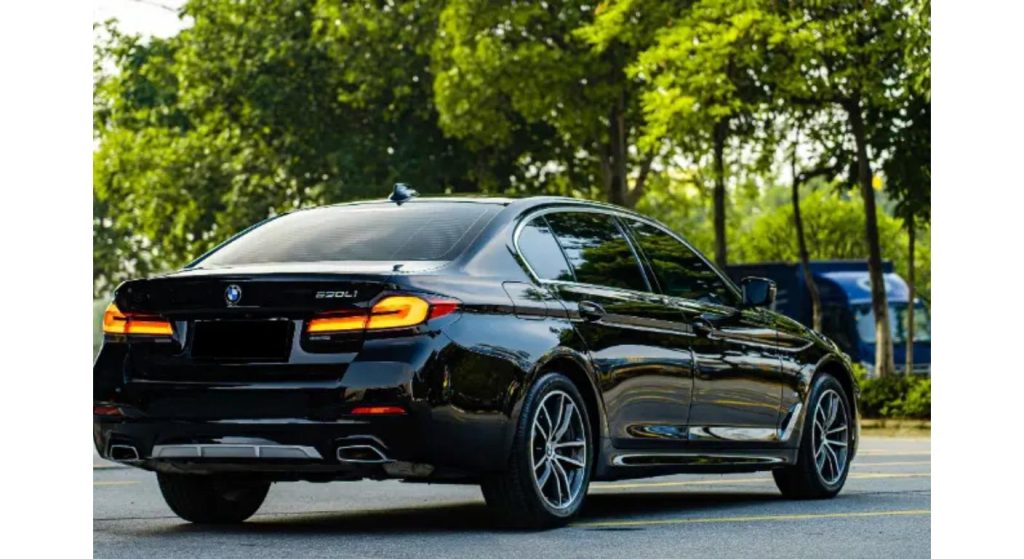
With the standard range, pick a few more dynamic finishes to showcase. These can send out the message of the extent of the offering without having to have all the colours. Distinguish between the types of products that are kept for normal demand and those that are ordered after the customers' approval and clarify this prior to taking a booking.
The Merchandise Finishes column is intended for the appearance (not just colour name)
The difference between a glossy solid colour, a metallic look and a surface which changes as viewed from different angles is hard to convey with a name. Arrange samples for customers to make direct comparison of those effects. Ensure that labels are attached to the product code and finish classification.
For those calling for a more subdued look with metal elements, HEY FILM's Matt Metal PPF is a unique choice for customers. Don't mention it as a low-shine, gloss colour, but as a different look.Don't refer to it as a low-shine, gloss colour, but as a different look.
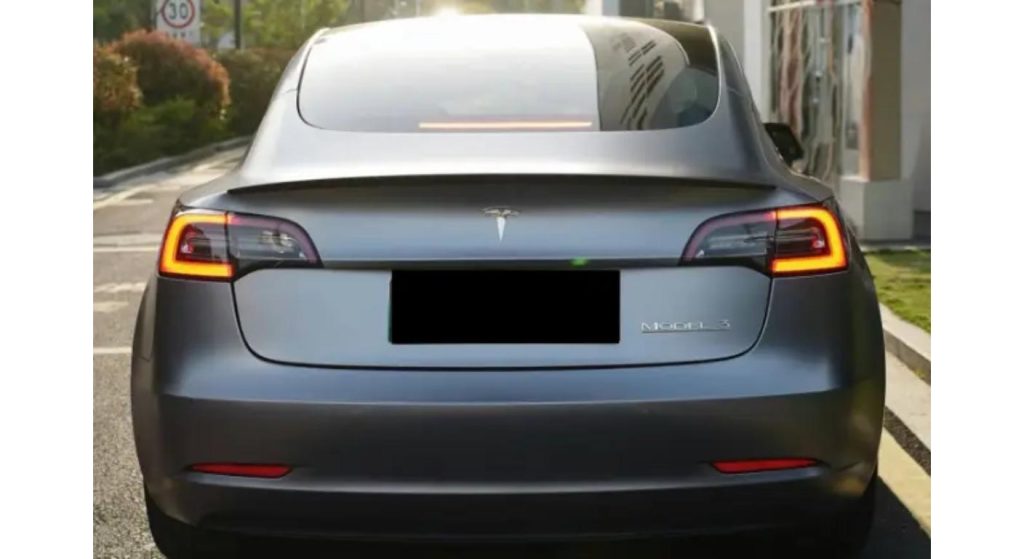
Flip Psychedelic Green PPF showcases the effect of light and angle of viewing on the colour of the film. If you're proposing such a finish, display the variety of options, rather than the most extreme image. Approval should be in line with what customers will actually use.
Qualify each product chosen for the workshop for delivery.
Coordinated catalogue doesn't mean that all products perform in the same way. Try the chosen films on appropriate curves and on easily accessible edges in accordance with the supplier's instructions. Record the position of the material installed and if the finish is acceptable after installation.
Be sure to check for consistency in adjacent panels that can be seen. Inquire if the finish is controlled oriented, and make certain correct procedure will be followed in applying that product. Document the arrangement agreed so that multiple installers don't make their own assumptions regarding the same vehicle.
Keep demonstrations realistic. Surface marks that are only light and not deep cuts or missing film material need to be evaluated in terms of self-healing, which is different from the deep cuts. It's not enough to say that hydrophobic behaviour can help clean, it doesn't mean that it means you can offer to have it maintained without water spots.
Develop an informative and understandable quotation.
Calculate the cost of the finished product based on: material, preparation, vehicle complexity and coverage. Describe the exterior color change quote (specifically handles, mirrors, openings and trim). It is possible to have a top-line price that hides vital differences in the proposals.
Talk about the original paint that can be seen in openings and other areas that aren't covered. If a customer wants those surfaces to match, discuss the extra scope prior to the job. Where words like a "full wrap" might be interpreted as something different, photographs of the agreed boundary can be of great assistance.
Establish and communicate the desired outcome of the selected finish with an approved sample and related work. Note the identity of the product and customer's approval with the quotation. This way, salesmen and installers will have one and not a picture from social media that is not contextually linked.
Make a Defined Supply Agreement Your Brand Agreement.
Private label and distribution companies should make their brand choices after the product is approved. Check construction, finish, size and identification method prior to creating labels or packaging. A good presentation must have a solid link to the material that is provided.
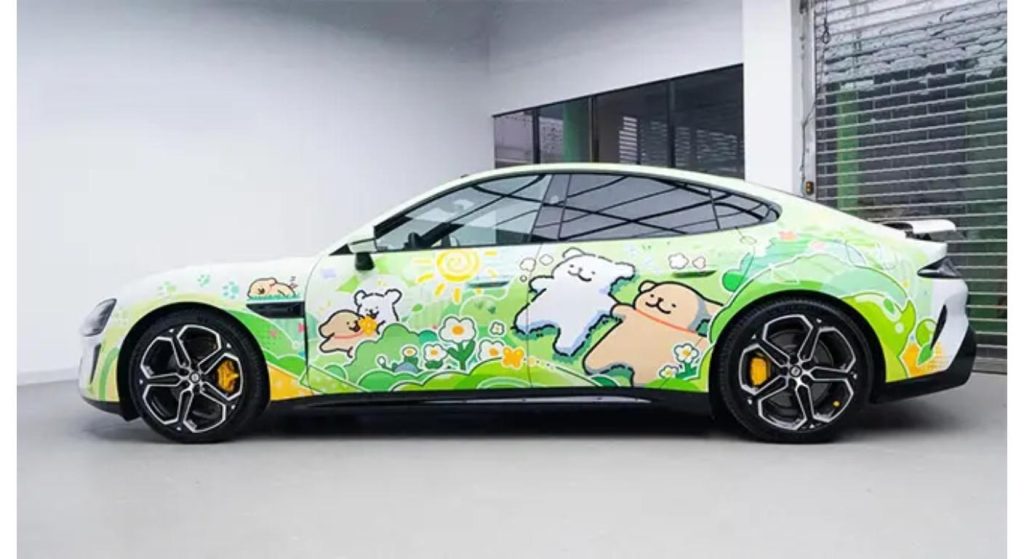
The OEM and ODM support provided by HEY FILM includes development, sampling, packaging, production and delivery support. Use that ability as a basis for a particular enquiry. Verify what customisation you can have, the quantities ordered and the timeline – do not take anything for granted as all of these can be different on each order.
When installing a range, make sure to support it after the installation.
Give product specific-care advice and instructions on where the customers can ask questions. Separate the terms of the material warrants from those of the workshop's workmanship policy. Don't use the warranty that is listed on a supplier's website that is the longest for all of the colours in your catalogue.
Maintain documentation of installation that is associated with the product code and available batch information. If the panel has to be replaced in the future, compare the new panel to the surrounding installed film before guaranteeing a seamless finish. The practical repair decision may be influenced by the exposure and the availability of the product.
Check performance across range on completed work, enquiries, stock movement and aftercare feedback. Manage growth of products that create a sustainable market and deliver satisfactory results. A smaller but well-supported range may be more business savvy than a big catalogue with uncertain, inconsistent availability and guidance.
| Indicator | Calculation |
| Quote conversion | Confirmed jobs ÷ quotations |
| Rework frequency | Corrected jobs ÷ completed jobs |
| Stock turnover | Period usage ÷ average inventory |
| Aftercare contact rate | Follow-up cases ÷ completed jobs |
Conclusion
For motor car companies, colour PPF film is ideal as a full package of identified customers, approved products, definite quotations and reliable follow-up. Create a targeted range and test for installation and link branding to supply documentation. This simplifies the collection process, delivery and support.
FAQs
Q1. Ought a new shop to have all the available colours?
NO 1: Begin with demands you can back up. For less commonly ordered items, use samples and agreed-on ordering procedures.
Q2. Are there any difference in the installation procedure for various finishes?
Do not assume so. Test and validate supplier recommendations, and test each product chosen for commercial use.
Q3. Does OEM packaging imply a special formulation of film?
Not necessarily. Agree on the branding, material specification and any product development, outside of the order.
Q4. Can photos be used in lieu of samples?
No. Photographs can be used to introduce the finish but for approval it must be the actual material under representative lighting.
Q5. Is it possible to have a single warranty that applies to all of the different colours?
When it can be shown to be expressly provided for in the terms of the supplier. Verify coverage for each product/usage.