




Hot Tags
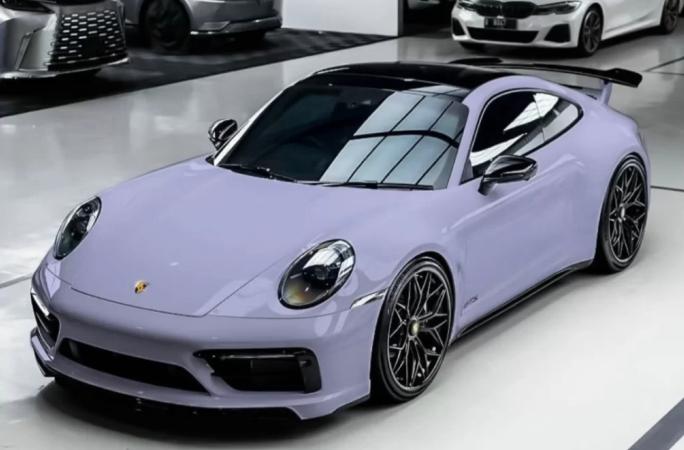
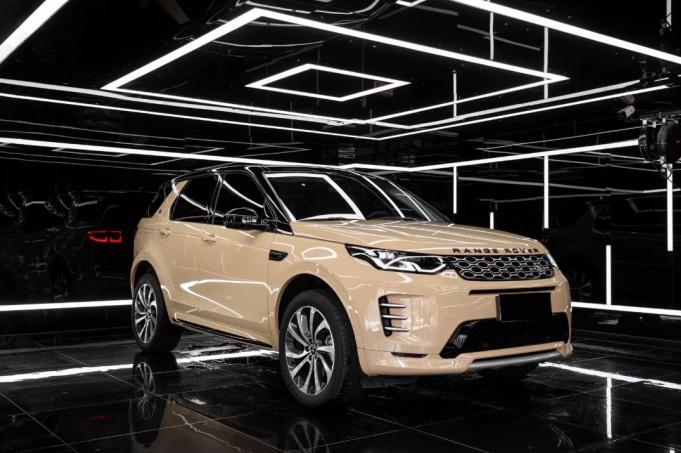
High Gloss PPF vs Ceramic Coating vs Standard TPU: Which Resists Scratches, Stains, and UV Best?
January 9, 2026


Over the past decade, paint care has moved from wax-and-wipe routines to engineered films and coatings that blend optics with protection. If you’re choosing between High Gloss PPF, a ceramic coating, or a standard TPU paint protection film, the real-world differences come down to how each solution handles mechanical abrasion, chemical staining, and long-term UV exposure. This comparison focuses on those three stressors, with an eye toward daily use, maintenance habits, and the finish you want to see in the driveway.
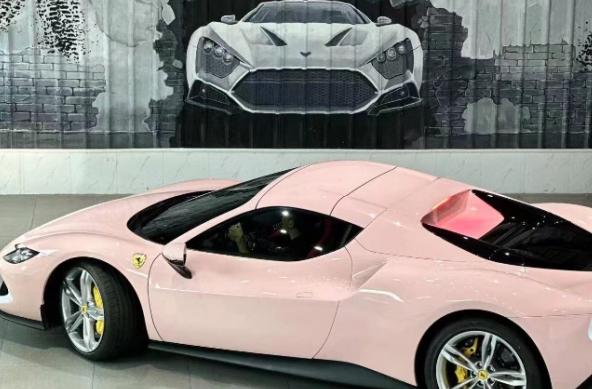
High Gloss PPF, our flagship line, is built to deliver a show-car glow while quietly absorbing the chaos of commuting – wash-induced swirls, stray grit, and unpredictable weather. Ceramic coating adds a hard, glass-like layer that beads water and speeds up cleaning. Standard TPU PPF gives you a clear shield that disperses energy from chips and rash without changing the car’s original look. Each technology shines in its lane, and if you chase peak performance, you can layer them for a smarter, longer-lasting finish.
1) What is High Gloss PPF?
High Gloss PPF is a premium, aliphatic polyurethane film designed to elevate paint depth while protecting against the small but constant attacks a car encounters. Think of it as a transparent armor with a luxury shine. It can be applied as a full-body wrap or targeted to vulnerable panels where hands, bags, or road grit make frequent contact.
You‘ll Notice Right Away
• A heat-activated self-heal response that relaxes light swirls and minor scuffs when gently warmed.
• A slick, hydrophobic barrier that resists buildup and helps water, dust, and brine rinse off.
• UV-stabilized chemistry to resist yellowing and preserve clarity and color depth across seasons.
• A medium-soft, ultra-gloss tone that gives paint a deeper, liquid-like pop.
2) Ceramic Coating Overview: Where It Excels
Ceramic coatings form a thin, hard, silica-rich layer over paint or film. They amplify gloss, improve slickness, and make water behave beautifully – tight beads, fast sheeting. Owners who wash often appreciate how coatings speed up the rinse-and-dry cycle and help the car stay cleaner between washes.
Notable Strengths
• Elevated surface hardness that helps reduce micro-marring from light contact, especially during washing.
• Strong hydrophobic behavior that lifts contamination and encourages fast rinse-off.
• UV absorbers that slow oxidation and help sustain color vibrancy.
• A glassy, polished aesthetic that flatters show cars and well-maintained garage queens.
3) Standard TPU PPF Overview: Practical Protection for Daily Drivers
Standard TPU PPF is the workhorse solution for people who rack up miles. It’s clear, elastic, and built to take the sting out of small stones, sand, and road rash. You get coverage without visual drama, making it ideal for hoods, bumpers, rocker panels, and other high-risk zones.
Core Advantages
• Elastic energy dispersion that helps blunt chips from small debris.
• Heat-assisted self-healing in aliphatic TPU systems to reduce the look of fine marks.
• High clarity and conformability for broad, nearly invisible coverage.
• UV-resistant formulations that keep film appearance steady year after year.
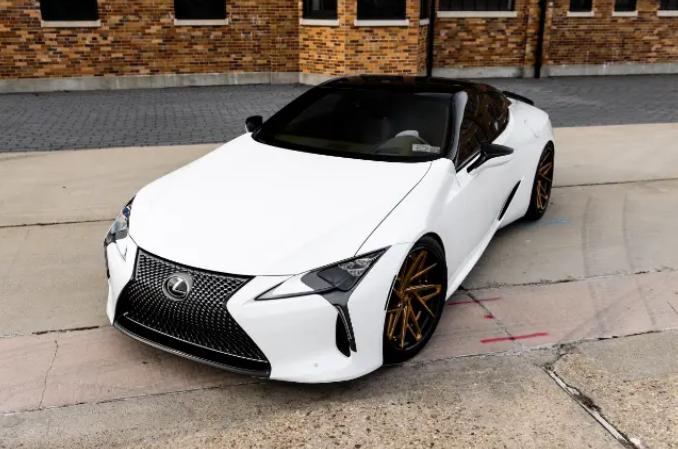
4) Scratch and Impact Resistance: How Each Layer Behaves
Scratches come from contact; chips come from kinetic energy. The material’s hardness, elasticity, and recovery behavior determine your outcome.
• High Gloss PPF: With a medium-soft, multi-layer construction, High Gloss PPF absorbs minor contact and uses heat-triggered recovery to reduce visible swirls. On door cups, trunk ledges, and front ends, you’ll see fewer wash-induced marks and less patina over time.
• Ceramic coating: The hard, slick shell resists light micro-marring and preserves gloss during routine washing. It doesn’t disperse impact energy the way a film does, so it complements protection rather than replacing it for chips.
• Standard TPU PPF: Elastic construction disperses the energy of small stones and grit, acting like a transparent bumper for paint. It’s dependable on highways and gravel roads where chip risk is highest.
5) Stain Resistance and Contaminant Shedding: Keeping Surfaces Clean
Bird droppings, sap, bug acids, and industrial fallout can etch or stain if they sit. The topcoat’s chemistry and surface energy dictate how quickly contamination releases.
• High Gloss PPF: A self-cleaning, hydrophobic surface paired with oxidation and acid resistance helps reject contaminants and defend against etch marks. Panels maintain a fresher appearance between wash cycles.
• Ceramic coating: High slickness fosters compact beads and swift sheeting, often lifting minor grime during rinses. For stubborn organic deposits, prompt cleaning is still required, but the layer eases release.
• Standard TPU PPF: Sealed, uniform film and anti-stain chemistry reduce attachment of traffic dirt and airborne particles. While not as slick as a top-tier coating, it remains easier to clean than bare paint and slows the formation of water spots.
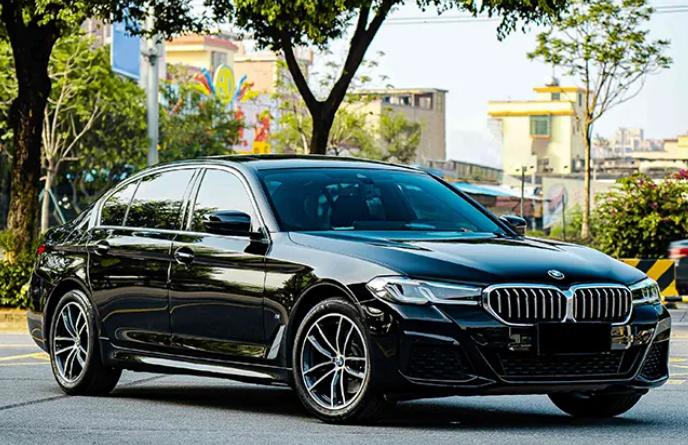
- UV defense and long-term gloss retention: fighting fade and yellowing
Sunlight accelerates oxidation and can yellow inferior films. Stabilizers and absorbers are crucial to keeping paint and film clear.
• High Gloss PPF: With UV-stabilized aliphatic TPU and anti-yellowing additives, it keeps the film crystal-clear and color-rich. The gloss stays intense even in sun-heavy climates.
• Ceramic coating: UV absorbers help protect the clearcoat against fading and chalking. Proper maintenance preserves its glossy, glass-like character.
• Standard TPU PPF: UV-resistant chemistry extends paint life and guards the film from early clouding – valuable for cars kept outdoors.
6) Choosing the Right Protection: Tailor to UV, Mileage, and Maintenance Style
Think about how much sun the vehicle sees, how often you clean it, and the finish you want to maintain.
- Pick High Gloss PPF for deep gloss plus meaningful scratch and impact moderation – ideal on full wraps and heavy-contact areas.
- Pick ceramic coating for immediate shine, strong hydrophobics, and streamlined care routines.
- Pick standard TPU PPF for large-area, nearly invisible protection against chips – fit for commuters and outdoor-parked vehicles.
- Layer for performance: High Gloss PPF delivers the physical shield and self-healing; a ceramic topcoat adds slickness and pronounced beading.
7) HEY FILM Perspective
We designed the High Gloss PPF Color Series to pair rich visual clarity with long-term resilience. The films are consistent roll to roll – critical for installers – and carry a 5-year warranty, reflecting confidence in both clarity and durability. Expect a slick, high-luster appearance that wakes up tired paint without masking factory character.
What You‘ll Experience
- Quick self-healing on light marks and pronounced hydrophobics for easier washing.
- Ultra-gloss reflectivity that sharpens body lines and revives dulled finishes.
- Strong defense against routine scratches, minor stone strikes, insect splatter, and everyday debris.
- UV-stable construction that helps prevent color drift and maintains film transparency.
- A friendly tack curve with Bostik adhesive for precise placement and clean repositioning on complex shapes.
For maintenance, a simple pH-neutral wash paired with gentle drying tends to keep the surface fresh. The slick topcoat takes longer to look dirty, and the self-healing layer gradually softens the look of minor swirls.
The Bottom Line
High Gloss PPF delivers a refined blend of optics and protection: an optically clear, multi-layer design; heat-activated self-healing; low-friction hydrophobics; and UV stability. Installers appreciate the consistent handling and Bostik-grade adhesive, and owners benefit from a 5-year warranty that backs both the look and the longevity. If your goal is to preserve paint while turning up the shine, High Gloss PPF offers a smart, balanced route – keeping panels brighter, cleaner, and better defended mile after mile.