




Hot Tags
Paint Protection Film for Cars: 2026 Micron and Topcoat Deep Dive for Lasting Clarity and Gloss
January 10, 2026


If you’ve ever stared at your car in the first week of ownership, you know the feeling: paint that looks liquid, reflections so sharp they seem etched. Paint Protection Film for Cars is the practical way to hold onto that look longer. It’s more than a coating – it’s a clear, repairable skin that absorbs the everyday punishment of road grit, bug acids, and wash marring while letting the original color and gloss shine through. The 2026 generation of films leans on cleaner chemistries, tighter manufacturing, and smarter topcoats to keep optics stable season after season.
What Paint Protection Film for Cars Actually Is
Think multilayer engineering designed for clarity and resilience. A modern PPF stack typically includes a heat-responsive self-healing topcoat, an optical-grade aliphatic TPU core, a pressure-sensitive acrylic adhesive, and a release liner that’s removed at install. The TPU matters. HEY FILM uses a polycaprolactone-based aliphatic TPU noted for hydrolysis resistance and stable optics, so the film stays clear and glossy instead of drifting toward haze or yellow. That means you get the “freshly detailed” look without adding texture, tint, or dullness over time.
n Microns Explained: Thickness, Impact, and Fit
Micron thickness is the quiet variable that determines how well Paint Protection Film for Cars shrugs off chips and how neatly it wraps around tight curves. Most automotive films land between 150 and 220 microns (about 6 – 9 mil). Choose within that band based on your roads, mileage, and panel shapes.
• Strengthen the usual suspects: apply higher microns to the front bumper, hood nose, A-pillars, rocker zones, and rear wheel-arch spats.
• Choose your compromise: thickness boosts protection but raises install complexity on curves; thinner film is installer-friendly but less forgiving against chips.
• Smart defaults: 180 – 200 µm covers most commuters; 200+ µm is the safer bet for gravel, salted winter roads, or occasional track days.
• Don’t mix metrics: 25.4 microns equals 1 mil – compare specs using one unit system.
Topcoat Technology: Self-healing, Hydrophobics, and Anti-Yellowing
The topcoat is what you see and touch, and it determines whether your Paint Protection Film for Cars sheds water cleanly and relaxes micro-swirls after a wash. HEY FILM’s self-healing elastomer softens with gentle heat from sunlight or warm water, re-leveling fine wash marring without compromising clarity. Hydrophobic and oleophobic components push water contact angles up and sliding angles down, so road film and greasy contaminants release during rinsing. A robust UV package – combining absorbers and stabilizers – helps the film resist yellowing and haze, guarding the deep, mirror-like reflectivity you bought the film for.
• Ask for data: gloss at 20°/60°, haze percentage, DOI (distinctness of image), and yellowness index (YI), ideally pre- and post-accelerated UV exposure.
• Know the limits: self-healing erases micro-swirls; deeper cuts that breach the TPU layer call for replacing the affected section.
• Real stain defense: slick, dense surfaces slow etching from bug acids and bird droppings, buying you time to clean safely.
PPF versus Wax, Sealants, Ceramics, and Vinyl Bras
Waxes, sealants, and ceramics are chemical shields; they boost gloss and help water bead but offer little mechanical cushion. Paint Protection Film for Cars is different because it adds physical thickness and energy absorption. Think rain jacket versus padded vest – the vest takes the hit.
• Impact buffering: PPF disperses small impacts from stones and road debris; coatings and waxes don’t.
• Longevity: quality films can serve for years with proper care; wax lasts weeks to months, ceramics often 1 – 5 years with limited chip resistance.
• Modern optics: today’s low-texture films are vastly clearer than the vinyl “bras” of old, preserving color and crisp reflections.
Industry Pain Points – and How 2026 Films Respond
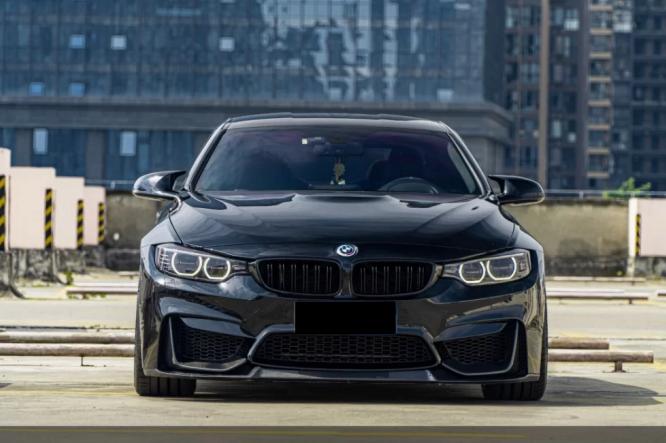
Installers and owners have long dealt with optical drift, orange peel, edge lift, and staining. The 2026 crop tackles these issues with cleaner raw materials and tighter process control.
• Optics that last: Aliphatic TPU plus purified adhesive systems stabilize color and transparency against haze/yellow.
• Texture dialed down: Flatter leveling lowers orange peel, increasing distinctness of image.
• Reliable perimeters: Wrap-around edges, efficient adhesive wet-out, and tight-fit templates reduce lift and dirt halos.
• Stain control: Chemistry tuned to resist bug acids and bird lime slows surface etching.
- HEY FILM Spotlight: Materials and Advantages
HEY FILM approaches Paint Protection Film for Cars with a performance-first materials stack and an OEM-like finish. The polycaprolactone-based aliphatic TPU core promotes optical clarity and toughness, even in humid or coastal climates. The topcoat adds heat-activated self-healing, hydrophobics, stain resistance, and an anti-yellowing UV system – all tuned for a deep, distinct gloss.
• Core strengths: transparency, chip resistance, and strong hydrolysis performance.
• Signature features: self-healing, robust UV stabilization, hydrophobic and oleophobic behavior, and low texture for high DOI.
• Competitive edge: clarity that stays put, flexibility for precise installs on complex panels, and engineered resistance to yellowing.
Choosing the Right Spec for Your Commute and Climate
Spec should mirror reality. Over-spec wastes money; under-spec leads to frustration. Match micron class and topcoat chemistry to your environment and habits.
• Urban/daily drivers: 180 – 200 microns and strong hydrophobics minimize wash contact and road film buildup.
• Highway/track/off-road: higher microns for leading edges and self-healing that erases wash marring quickly.
• High UV and heat: prioritize topcoats with robust UV stabilizers to curb gloss loss and yellowing.
• Snow belt/coastal: ask for hydrolysis and salt resistance data; brine and freeze – thaw cycles punish weaker films.
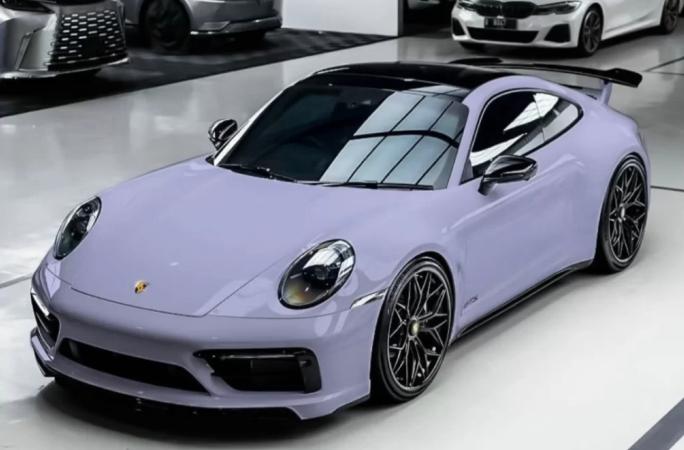
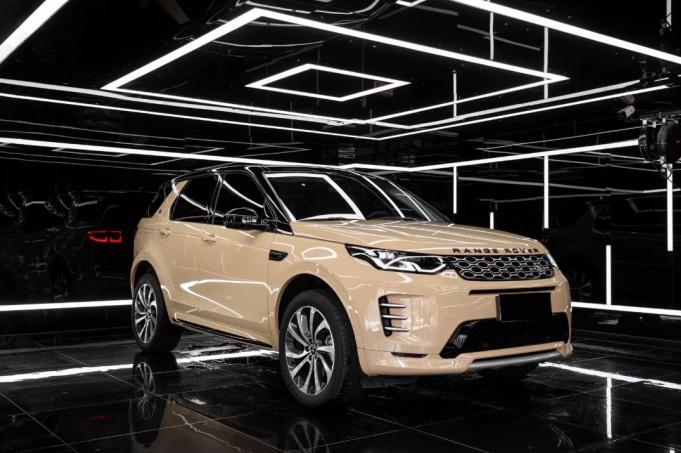
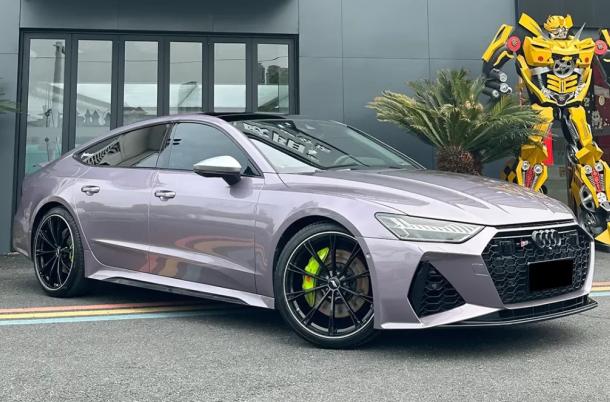
• Finish goals: ultra-gloss for maximum DOI; color PPF if you want a hue change with the same protective stack.
- Installation quality: the difference between good and stunning
Great material can be undermined by rushed technique. Clean prep, a controlled environment, and installer patience are what make Paint Protection Film for Cars disappear into the paint.
•Preparation checklist: iron decon, clay bar as needed, light paint correction, and a proper ~30-day cure period for fresh resprays.
•Kit vs. bulk: precise pre-cut patterns or skilled bulk installs with wrapped edges deliver crisp lines and robust edges.
•Environmental control: stable temps/humidity aid wet-out and minimize silvering, haze, or trapped moisture.
•Execution details: tune slip/tack ratios, apply steady squeegee pressure, and sequence panels to avoid tension lines and pin bubbles.
•Early-use rules: no pressure washers for a few days; keep fingers off edges while the adhesive crosslinks.
Care, Warranty, and Coverage Options
•Gentle maintenance: pH-neutral shampoo, soft mitts, plush towels; opt for PPF-safe bug/tar products and avoid harsh cleaners.
•Ceramic on top: compatible ceramics can boost water behavior without negating self-healing.
•Warranty clarity: ensure protection for yellowing, cracking, staining, and bond failure; confirm installer handles claim paperwork.
•Coverage tiers: full-body wrap for consistent protection; front clip plus mirrors/rockers for budget-friendly impact shielding.
•Ownership math: relative to repeated paint work, PPF typically lowers total cost and supports trade-in value.
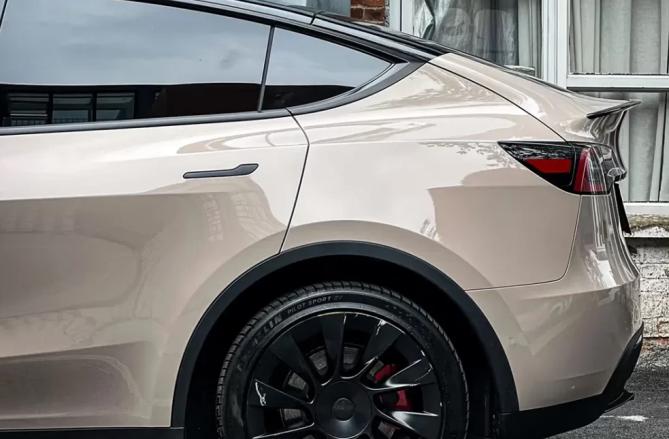
- Quick Technical Signals to Separate Marketing from Engineering
A few checks help you evaluate Paint Protection Film for Cars beyond the brochure.
•Micron-to-mil sanity: 25.4 µm equals 1 mil – use consistent units when comparing brands.
•Impact validation: ask for gravelometer or similar chip-resistance data if your routes are debris-heavy.
•Optimized adhesive: advanced acrylic PSA with low residual monomers helps prevent edge staining and enables residue-free peel.
•ADAS compliant: non-conductive PPF won’t affect radar/camera performance if left off sensor windows.
•End-of-life handling: quality films release cleanly from factory finishes; only apply to repaints after complete curing.
•Sustainability: extending paint life reduces repaints and VOC emissions – durable films like HEY FILM’s support appearance goals and environmental responsibility.
Bottom Line
The conversation is no longer “Does PPF work?” but “Which build fits my miles and climate?” Choose the right micron class, pair it with a self-healing, UV-stable topcoat, and let trained installers handle the details. HEY FILM’s polycaprolactone-based aliphatic TPU, hydrophobic finish, and anti-yellowing package deliver the clarity and gloss you notice every time you pull into the driveway. Specify to your roads, pick coverage that fits your budget, and you’ll have Paint Protection Film for Cars that keeps paint looking new long after the novelty fades – mile after mile.