




Hot Tags
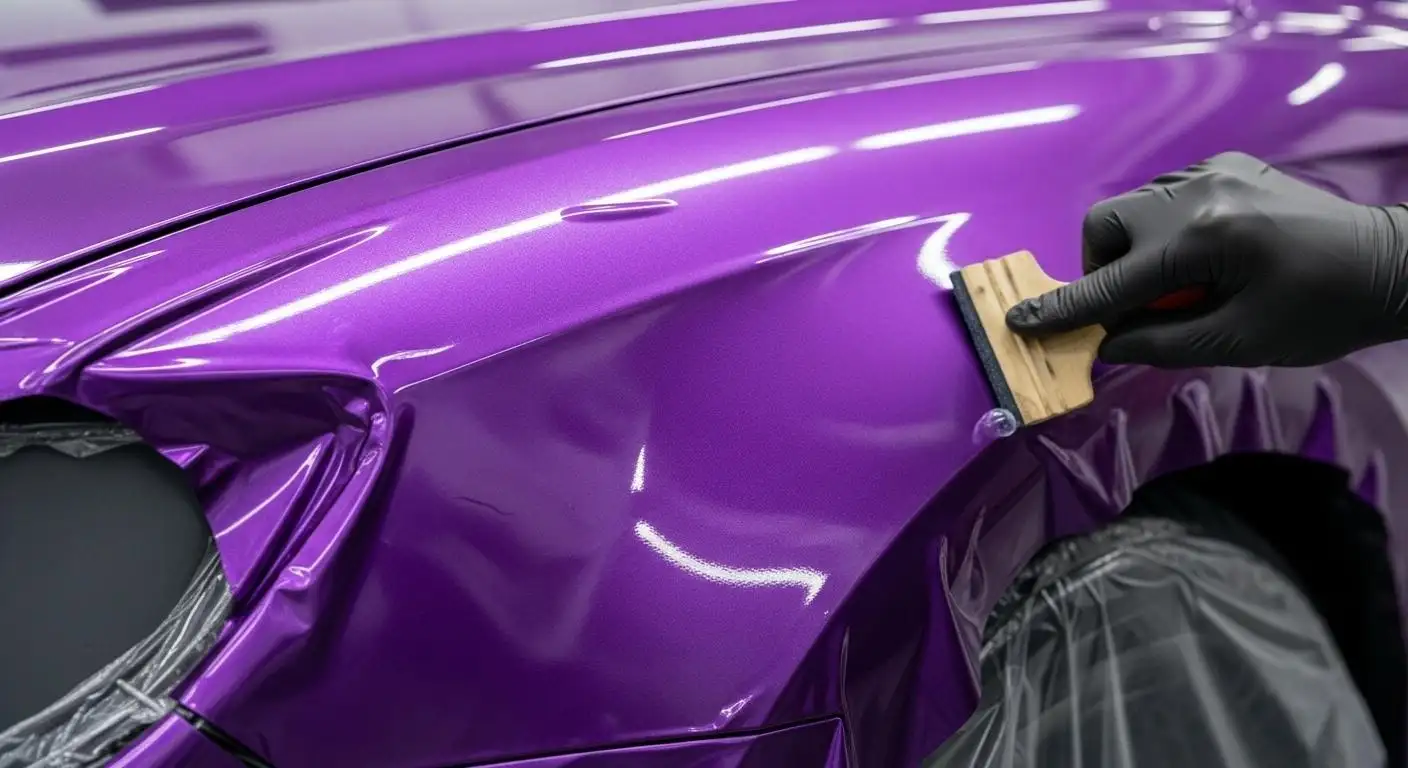
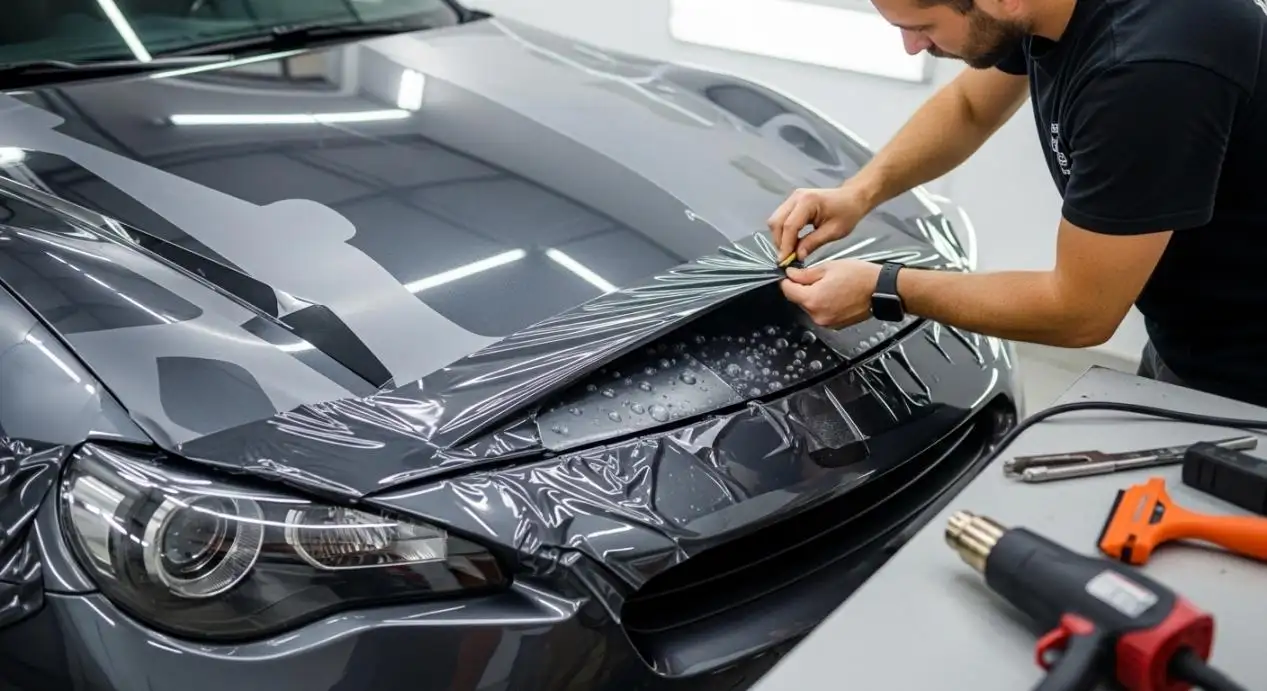
2026 Paint Protection Film for New Cars: What It Really Stops
February 4, 2026


Paint Protection Film for New Cars is the simplest way to keep a factory-fresh finish looking factory-fresh, even after daily driving starts to test it. At HEY FILM, we manufacture TPU-based paint protection films designed to stay clear, resist stains, and recover from light damage with heat—so new-car owners and installers can focus on enjoying the car, not worrying about every small mark.
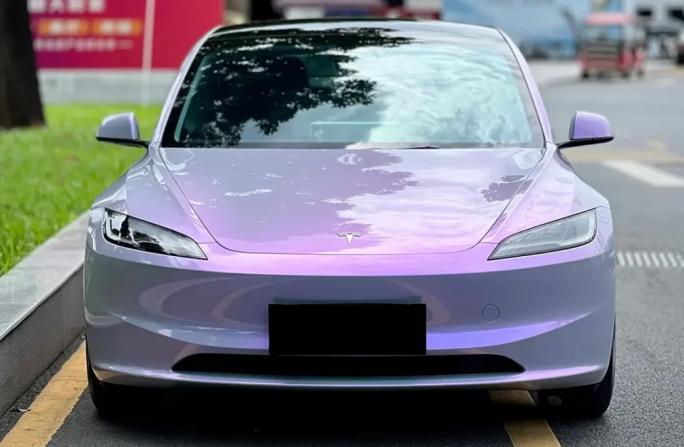
What Paint Protection Film for New Cars Really Stops in 2026
A new car starts aging the moment it leaves the dealer. The paint faces impact, friction, and chemical exposure that slowly removes gloss and creates visible defects. A Paint Protection Film for New Cars works as a transparent, smooth layer that blends into the surface while reducing physical impact and maintaining clarity.
Here is what it truly stops in real driving conditions:
• Stone Chips And Road Debris: Small, fast impacts that create paint pits on the hood, bumper, and fenders.
• Insects And Grime: Bug splatter can stain if it sits under sun and heat.
• Light marring and swirl marks: From wash routines, dust wipes, and incidental contact (branches, bags).
• Acid rain & oxidation: Gradual chemical dulling that weakens showroom appeal.
The key point for beginners is this: PPF does not make the car “invincible.” It reduces common damage that normally shows up early, especially on high-impact front areas. When used correctly, it preserves gloss and helps paint stay consistent.
Why TPU Matters: A Beginner-Friendly Explain Guide
Not all protective films behave the same way. In 2026, most premium Paint Protection Film for New Cars products are built on TPU (Thermoplastic Polyurethane) because it balances toughness, flexibility, and optical clarity.
At HEY FILM, our PPF uses aliphatic TPU and is designed for invisible protection. That “invisible” part matters because new-car owners want protection without changing the original paint look. TPU is also the reason modern PPF can feel smooth and look glossy rather than thick or hazy.
For a first-time buyer, TPU brings three practical benefits:
• It can absorb minor impacts better than rigid materials.
• It holds shape around curves when installed by a skilled technician.
• It supports premium surface coatings, such as hydrophobic layers.
If you are comparing options, start by asking one question: Is it true TPU PPF, and is it designed to stay clear for long-term appearance protection? This single check saves time when narrowing down choices.
Heat Self-Healing: What It Fixes and What It Does Not
One feature that often gets oversold is self-healing. Let's explain it clearly. HEY FILM Paint Protection Film for New Cars is a polycaprolactone-based, aliphatic TPU film that can recover from minor surface scratches when heat is applied. Heat can come from warm water, sunlight, or controlled heating during detailing.
What it can fix:
• Minor surface scratches that sit in the top layer of the film.
• Light scuffs that do not cut through the film.
What it cannot fix:
• Deep cuts that tear the film.
• Paint damage caused by a strong impact that breaks through layers.
For new cars, this matters because early defects are often “micro-damage” from washing and daily contact. Self-healing keeps the film looking clean, which helps the whole vehicle keep that just-delivered appearance. It is not magic. It is a practical material behavior that reduces visible wear.
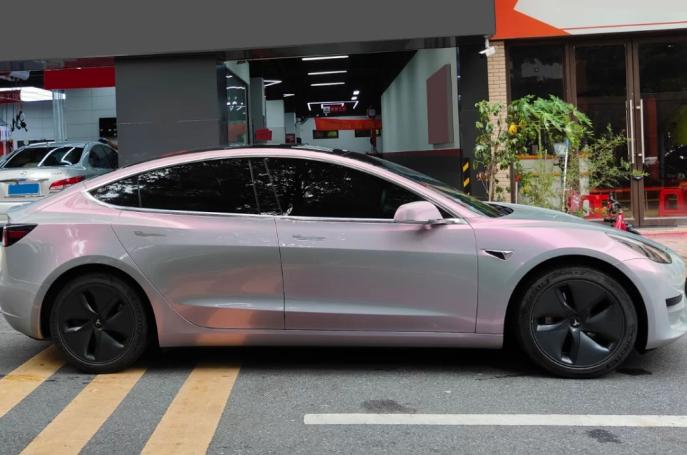
Stain Resistance, Hydrophobic Coating, and UV Defense
In daily driving, “dirty” is not just dust. It is chemical and environmental exposure. HEY FILM PPF is built to resist oxidation, acid rain, and stains from common elements like rain, bird droppings, and harsh weather. A good Paint Protection Film for New Cars should help contaminants release more easily, so owners spend less time scrubbing and less time worrying about marks becoming permanent.
A surface hydrophobic coating also changes how the car feels to own. Water beads and rolls off, and dirt is less likely to bond strongly to the surface. The result is not only easier cleaning, but more consistent clarity over time.
UV protection is another “quiet” advantage. Long-term sun exposure can cause fading and discoloration. HEY FILM's UV-resistant approach is designed to help reduce that risk and support anti-yellowing performance, so the film stays visually clean while protecting the finish beneath it.
If you are new to PPF, remember this simple rule: impact protection is only half the story. The other half is how the film handles sunlight, stains, and maintenance over months of real use.
Choosing Coverage and the Right Film Type for Your Car
A common beginner mistake is thinking PPF is only one product. In reality, you choose coverage and the finish style. At HEY FILM, we offer multiple options so owners and installers can match lifestyle and budget.
Most new-car owners start with high-impact zones: front bumper, hood edge, headlights, mirror caps, and fenders. Some go further with full hood or full front coverage. Minimize visible joins on large surfaces by selecting wider films. Our 183M oversized hood PPF supports single-piece coverage on suitable panels.
Finish alignment:
• Transparent PPF: shields paint while preserving the OEM look.
• Satin PPF: a soft sheen that looks refined without a full matte effect.
• Matte Paint Protection Film / Matt PPF: changes the visual character while protecting the surface.
• Hydrophobic TPU Options: such as 7.5 mil Paint Protection Film U7, suited for drivers who want easier cleaning and strong daily durability.
• Sunroof And Skylight Protection: TPU sunroof protection films and “skylight armor” options help protect glass areas from wear and exposure.
A practical way to decide is to start with your driving pattern: highway commuting needs more chip defense, city parking needs more scratch resistance, and sunny climates benefit from strong UV-focused performance.
OEM/ODM Strength and a Simple CTA for 2026 Buyers
A reliable Paint Protection Film for New Cars is not only about material claims. It is also about manufacturing discipline. Margins win with predictable delivery:
• R&D: Consistent—less rework/warranty.
• QC: Stable—lower after-sales.
• OEM/ODM fit: Right-sized to sample/spec—no overbuild.
• Efficient Footprint: Huizhou plant + Guangzhou office simplify logistics and speed support.
If you are a new-car owner, your next step is to choose a coverage plan and finish that fits how you drive. If you are a distributor, installer, or brand, your next step is to choose a film partner that can support repeatable quality and scalable supply.
CTA: If you want a clearer, beginner-friendly recommendation for your vehicle type, tell HEY FILM your car model, paint color, and usage scenario (daily commute, highway, city, or mixed). We will suggest a Paint Protection Film for New Cars coverage plan and film option that balances appearance, durability, and budget—so your 2026 “new car look” lasts longer than the first few weeks.