




Hot Tags
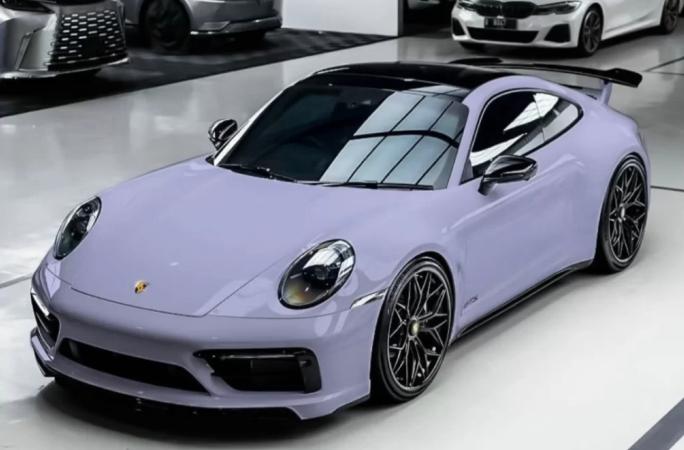

PPF Car Paint Protection Film Self-Healing Explained for Everyday Micro-Scuffs
January 9, 2026


1) Why Self–Healing PPF Matters for Daily Driving
Even careful drivers collect tiny paint defects. Grit from the road, automatic wash brushes, wind-blown dust, and casual contact in tight parking spots gradually haze the finish. Over months, those barely visible micro-scuffs flatten reflections and make the paint look tired. A self-healing PPF Car Paint Protection Film breaks that pattern. It takes the abuse on its surface and, when warmed by the sun or rinsed with warm water, relaxes back to a smooth, glossy state. The result is day-to-day resilience without constant polishing.
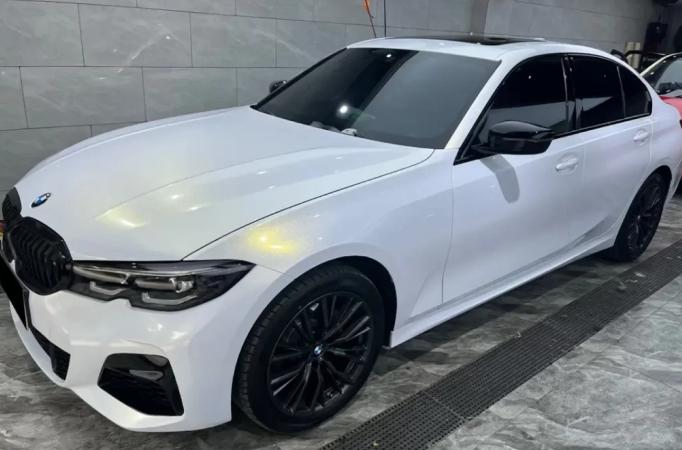
• Locks in the factory look by absorbing swirls before they mark the clear coat
• Cuts down on correction cycles, detailing time, and consumables
• Supports higher long-term value with stable gloss and color depth
2) What Is PPF Car Paint Protection Film?
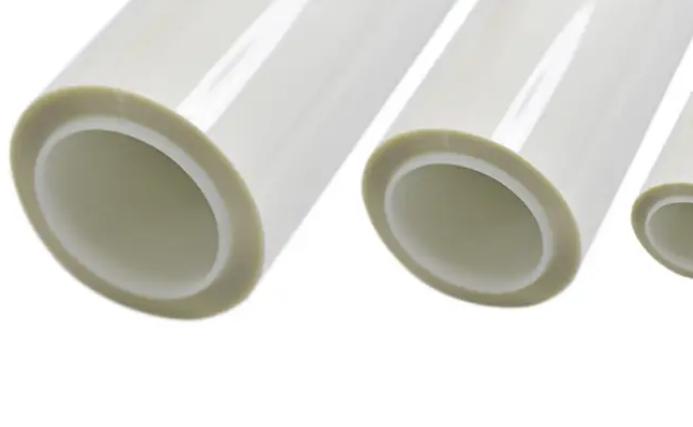
PPF Car Paint Protection Film is a transparent, removable urethane layer applied on top of original paint. Engineered from aliphatic TPU for clarity and flexibility, it behaves like a shock absorber for chips and a shield against chemical fallout – while remaining optically clear so the paint tone and metallic flake still pop.
• Layered build: heat-activated self-healing topcoat, aliphatic TPU core, optically clear adhesive
• Typical thickness in the durable 7 – 10 mil range to resist chips and abrasion
• Hydrophobic top surface that sheds water and grime to simplify wash routines
• Designed for long outdoor service, yet removable without harming OEM finishes
3) The Science of Self–Healing: How Heat Erases Micro–Scuffs
The “magic” is materials science. The topcoat and TPU contain flexible segments that gain mobility at moderate temperatures. When warmed – by sunlight, a bucket of warm water, or gentle heat – the polymer chains reorient and level out the surface, reducing the visibility of fine swirls and micro-marring. No fillers or glazes; it’s the film itself returning to equilibrium.
• Recovers light swirls and wash haze; deep cuts or rock penetrations remain visible
• Everyday activation: a warm afternoon, a safe low-heat pass, or a rinse with warm water
• Cold conditions slow recovery; normal self-healing resumes once the film warms up
• Formulation matters: topcoat crosslinking is tuned for both stain resistance and fast reflow
4) PPF vs. Traditional Paint Protection
It’s common to weigh PPF against waxes, sealants, ceramic coatings, or old-style vinyl bras. These options behave differently. Waxes and coatings are thin chemical layers that enhance gloss and make cleaning easier, but they can’t absorb a stone strike. Modern PPF Car Paint Protection Film creates a true physical barrier and adds self-healing capability.
• Impact buffer: PPF disperses energy from gravel and road debris; coatings and waxes do not
• Self-healing advantage: select PPF topcoats erase micro-scuffs; coatings may mask, not repair
• Serviceability: PPF is thick and removable; coatings are ultra-thin and semi-permanent
• Optical stability: aliphatic TPU PPF stays clearer far longer than legacy PVC/vinyl bras
• Value equation: higher upfront investment, superior protection where chips are likely
² Everyday Threats and How PPF Defends Against Them
Daily motoring exposes paint to a spectrum of hazards. Fine sand erodes leading edges, acidic bug residue etches clear coats, and UV light slowly fades pigments. A quality PPF Car Paint Protection Film stands between the environment and your finish, limiting both instant damage and slow degradation.
• Mechanical: high-speed grit, bumper and rocker “sandblasting,” door scuffs, wash-induced swirls
• Chemical: bird droppings, acid rain, bug splatter, tar, de-icing salts, industrial fallout
• UV load: long exposure can fade paint; PPF filters and stabilizes appearance over time
• Hydrophobic behavior: water beads and carries away dirt, reducing the need for aggressive scrubbing
5) HEY FILM PPF: Materials and Performance Features
HEY FILM formulates a polycaprolactone-based, aliphatic TPU PPF Car Paint Protection Film purpose-built for clarity, durability, and easy care. The film’s topcoat offers heat-activated recovery and a deep, wet gloss that elevates the overall finish without looking “wrapped.”
• Heat self-healing: sun or gentle warmth softens micro-marring so it levels out
• Stain defense: resists oxidation and etching from rain, bug residue, and bird droppings
• Weather-ready: engineered to tolerate intense UV, humidity swings, and harsh climates
• Anti-yellowing: UV-resistant coating and stabilizers help preserve long-term transparency
• Toughness you can feel: robust chip and abrasion resistance for commuter and highway use
• Hydrophobic topcoat: repels water and grime for faster rinses and fewer water spots
• Enhanced gloss: ultra-gloss finish that intensifies depth and reflectivity
• Installer-friendly: clear, repositionable adhesive designed for clean edges and easy removal
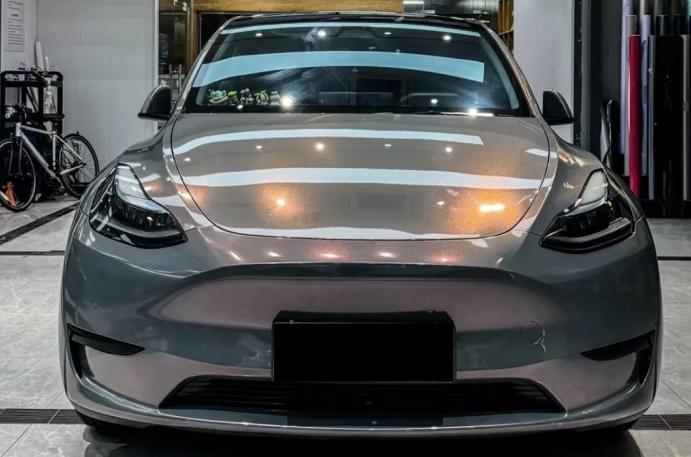
² Solving Industry Pain Points: Practical and Lesser–Known Know–How
Great PPF is as much about formulation and process as raw thickness. HEY FILM addresses common market frustrations with chemistry, manufacturing discipline, and install guidance that reduce the issues owners actually notice.
• Yellowing mitigation: Use aliphatic TPU with HALS and broad-spectrum UV absorbers to slow yellowing and haze
• Orange-peel control: Optimize casting speed and topcoat viscosity to flatten texture and sharpen reflections
• Edge cleanliness: Edge-wrapped designs, clean paintwork, and anti-static prep reduce dust accumulation along seams
• Chemical shielding: Robust crosslinking resists etching from bird bombs and bug guts; don’t delay cleanup
• Application realism: Observe safe stretch limits; minor squeegee marring often relaxes under sunlight or warm water
• Top-coating tips: Many ceramic products can top PPF – use film-safe solvents and allow adequate cure time
• Refinish caution: Confirm full paint cure via manufacturer guidance to avoid adhesion loss or imprinting
6) Coverage Options and Budget Planning
Protection plans should reflect how and where you drive. HEY FILM supports everything from targeted “clear bra” coverage on high-impact panels to full-body wraps for uniform gloss and absolute peace of mind.
• High-risk zones: front bumper, full or partial hood, front fenders, mirror caps, A-pillars, rocker panels
• Frequent touch points: door cups and edges, trunk sill, loading areas
• Full wrap: seamless appearance and maximum defense for new or high-value vehicles
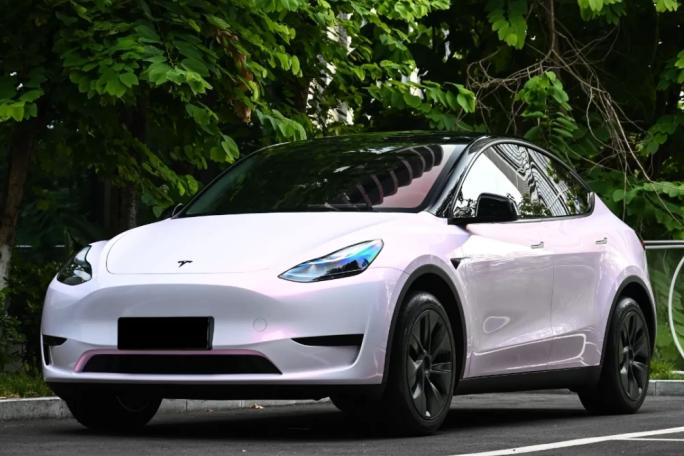
• Finish styles: high-gloss for show-car shine, matte/satin for a stealth look, color PPF for style plus protection
• Pricing drivers: film area, panel complexity, shop expertise, and aftercare packages
• Warranty clarity: look for coverage on yellowing, cracking, and delamination; impacts that pierce film are typically excluded
² Why Partner with HEY FILM
Beyond the film itself, support and consistency matter. HEY FILM combines materials expertise with robust production and service infrastructure so installers and owners get reliable results – and fast answers when they’re needed.
• Product edge: strong self-healing, durable hydrophobicity, anti-yellowing stability, long-term clarity
• Broad catalog: TPU PPF, Color PPF, Window Film, Vinyl Wrap, Decorative Film, Building Film
• R&D depth: in-house scientists, lab testing, and continuous iteration to raise performance
• OEM/ODM strength: confidential, spec-driven customization for global brands
• Quality control: inspection from raw materials to finished rolls for consistent output
• Integrated operations: Huizhou manufacturing and Guangzhou sales/support streamline logistics and service
7) Purchase and Care Checklists for Best Results
Choosing the right film and caring for it properly will decide how well it looks three years from now. Use these concise checks to vet products, installers, and maintenance routines for your PPF Car Paint Protection Film.
• Product due diligence: aliphatic TPU base, demonstrated self-healing, UV/anti-yellowing system, hydrophobic topcoat, low haze/strong clarity, clear written warranty
• Installer questions: pattern library access, edge-wrap technique, dust control, panel removal policy, estimated timeline, post-install inspection plan
• Before installation: decontaminate paint, correct defects if needed, verify any recent repaint is fully cured
• Activating self-healing: park in sun or apply warm (not boiling) water; avoid concentrating heat in one spot
• Safe washing: pH-neutral shampoo, clean mitts, gentle drying towels; avoid abrasives and strong solvents
• Long-term upkeep: periodic decon with film-safe chemicals, prompt removal of bugs/bird droppings, edge inspection, and understand removal steps if reselling
Final Thought
HEY FILM’s self-healing PPF Car Paint Protection Film offers an unobtrusive, highly durable way to keep modern paint looking vivid and new. Whether you opt for high-impact panels or a full wrap, the combination of aliphatic TPU, a hydrophobic self-healing topcoat, and anti-yellowing stability delivers daily defense with minimal effort. Match coverage to your driving, choose a skilled installer, and follow simple care habits – you’ll enjoy a deeper gloss, fewer imperfections, and a finish that stands up to real-world driving.