




Hot Tags
The Real Differences Between Budget and Premium Self-Healing Paint Protection
May 12, 2026


You've seen the videos: a car key scraped across a hood, then hot water poured over it – and the scratch magically disappears. That's the magic of self-healing paint protection. But with prices ranging from a 500DIY roll to a5,000+ professional installation (and even up to $20,000 for full supercar wraps), how do you know what you're really paying for?
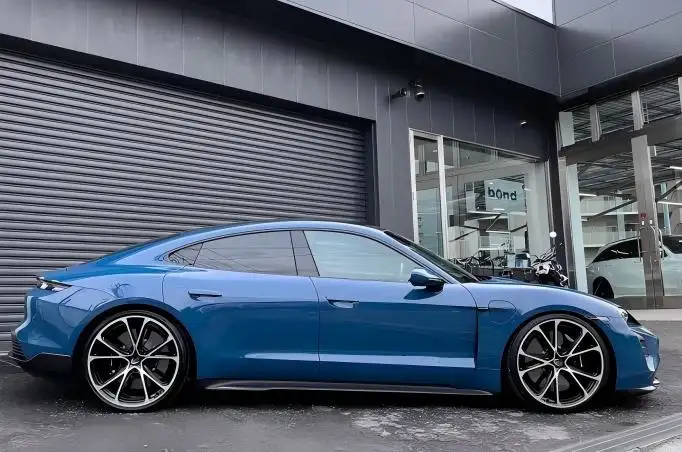
The truth is, not all self-healing paint protection is created equal. Budget options often promise the same "healing" as premium films, but the real-world performance gap is enormous. Below, we break down exactly where your money goes – and where cheap films can leave you with permanent scars.
What Exactly Is Self-Healing Paint Protection?
Before comparing prices, let's quickly define the technology. Self-healing paint protection typically comes in two forms:
• Self-healing PPF (paint protection film) – a multi-layer thermoplastic polyurethane (TPU) with an elastic topcoat.
• Self-healing ceramic coatings – less common; they fill very shallow scratches but lack the depth of PPF.
The healing process is heat-activated (sun, hot water, or heat gun). Polymer chains in the topcoat "remember" their original shape and flow back into place. However, the quality of that memory, the depth of scratches it can fix, and how many times it can heal – that's where price tiers diverge.
The Price Spectrum: From 500 DIY to 20,000 Pro Installations
• 500–1,200 – Entry-level DIY rolls (often PVC or cheap TPU). No professional warranty.
• 1,500–3,000 – Mid-range PPF kits (some self-healing claims, but limited).
• 3,500–7,000 – Quality brand PPF (XPEL, SunTek, STEK) installed by pros.
• 8,000–20,000+ – Full-body premium films on exotic cars, plus paint correction and custom fitment.
Now let's dismantle what that extra cash actually buys.
Key Differences That Impact Performance
1. Base Material: TPU vs. PVC vs. "Nano" Gimmicks
• Budget films – Often use PVC (polyvinyl chloride) with a thin "self-healing" coating. PVC is rigid, yellows quickly under UV, and offers almost no real scratch recovery after a few months.
• Premium films – Use aliphatic TPU (thermoplastic polyurethane). It's inherently elastic, UV-stable, and maintains self-healing properties for 5–10 years.
Key takeaway: If you don't see ''TPU'' and only see ''polymer,'' you've probably bought plastic wrap and not self-healing paint protection.
2. Healing Depth & Activation Temperature
• Budget: Only self heals micro-marring (swirl marks and scratches) if heat is above 60°C (140°F). Anything deeper, like gouges from a key, is permanent.
• Premium: Scratches of 0.1–0.2mm deep get repaired at temperatures around 40–50°C (104–122°F) and even lower. Some advanced films even heal at room temperature in direct sunlight.
3. Self-Healing Layer Thickness
• Budget films may have a "self-healing topcoat" only 2–3 microns thick. After two or three heat cycles, the chemistry depletes.
• Premium films integrate self-healing throughout the top 15–30 microns, allowing hundreds of healing events over years.
4. Optical Clarity & Gloss Retention
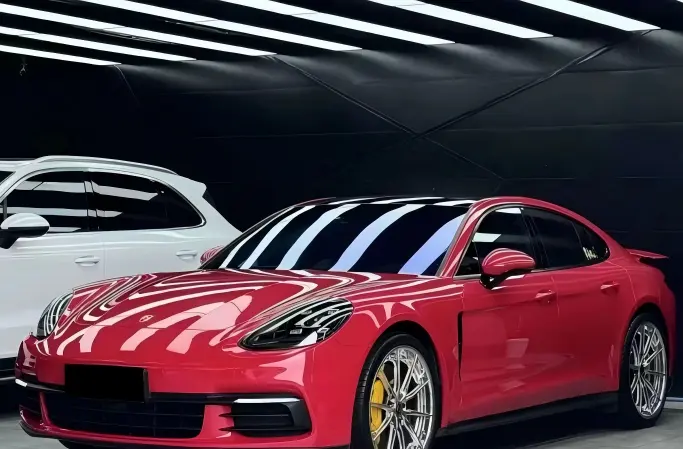
• Budget: Often has "orange peel" texture (like a factory clear coat defect). It can turn hazy or yellow within 12–18 months.
• Premium: Engineered to be optically clear, with 90%+ gloss enhancement. Many luxury brands include hydrophobic additives that make water bead and dirt slide off.
5. Adhesive Technology – A Nightmare for Removal
Low-cost films use aggressive acrylic adhesives that can:
• Damage your factory paint when removed
• Leave sticky residue requiring hours of labor (costing you more than the "savings")
• Fail at edges, lifting dirt and causing ugly black lines
Premium films use micro-suction or repositionable, solvent-free adhesives that release cleanly even after 5–7 years.
6. Warranty & Lifespan
| Price Tier | Warranty | Expected Self-Healing Life |
| Budget DIY | 0–1 year (often no replacement) | 6–12 months |
| Mid-range | 2–3 years (limited) | 2–3 years |
| Premium | 5–10 years (includes labor on defects) | 7–10+ years |
The Hidden Cost of Cheap Self-Healing Paint Protection
Imagine paying $800 for a full-front DIY film. Six months later:
• The "self-healing" stops working – swirl marks stay forever.
• Edges lift, trapping brake dust and turning black.
• You try to remove it – but the adhesive pulls off a chunk of your hood's clear coat.
Now you pay a pro 1,500torepairthepaint∗and∗installaproperfilm.Totalcost?2,300 – more than if you had bought premium self-healing paint protection from day one.
Summary of cheap-film risks:
• Premature yellowing (looks aged within 1 year)
• No healing for door dings or gravel strikes
• Failure under bird droppings or bug splatter (etches permanently)
• Removal damage that voids your paint warranty
What You Get When You Pay Premium
Investing in a top-tier self-healing paint protection film (e.g., XPEL Ultimate Plus, STEK DynoShield, SunTek Reaction) offers:
• Deeper scratch repair – Even light key scratches disappear after hot water.
• Self-restoring gloss – Washing and sun exposure maintain a like-new shine.
• Ceramic-like hydrophobic top layer – No need to wax or seal.
• Stain resistance – Brake dust, tree sap, and bird droppings wipe off easily.
• Ten-year transferable warranty – Adds resale value (buyers love documented protection).
One real-world test: after 18 months, a budget film showed heavy swirl marks and a yellow tint; the premium film still looked showroom fresh, and a deliberate light scratch healed within two minutes under a heat gun.
So, Which One Should You Choose?
Ask yourself three questions:
- How long will you keep the car?
• 1–2 years → a mid-range DIY kit (if you're careful).
• 3+ years → premium professional install.
- What's the car's value?
• Under $15k → quality front-end PPF (bumper, hood, mirrors).
• Over $40k → full premium self-healing paint protection is a no-brainer.
- Do you enjoy detailing?
• No → premium film saves hours of polishing.
• Yes → you'll still appreciate the effortless maintenance.
Final Verdict
Cheap self-healing paint protection is often a false economy. It may look good on a YouTube unboxing, but after a single summer of UV exposure and road debris, that "self-healing" claim becomes a ghost. Premium films cost more upfront – often 3–5x more – but they deliver real, repeatable scratch removal, flawless optics, and peace of mind for a decade.
Your car's paint is a one-time asset (factory paint cannot be fully replicated). Protecting it with the right self-healing paint protection isn't just about avoiding swirl marks; it's about preserving value and enjoying a pristine finish every single day. Choose wisely, and you'll never have to pour hot water on a regret.
Frequently Asked Questions (FAQ)
1. Will Self-Healing Films Work Better If Boiling Water Is Poured On Them?
No. Cheap, PVC-based films may warp and delaminate, while expensive, high-quality TPU films just need warm water (i.e., 40–60°C / 104–140°F).
2. Do Films With Self-Healing Capability Still Work After Some Time?
Yes, with cheaper films, that may be as soon as 6-12 months. High-quality films will heal themselves for 5-10 years, because the chemistry is bonded into a thick, tougher layer.
3. Can Self-Healing Film Remove Scratches On My Paint?
No, the film goes on clean, undamaged paint. It "heals" future scratches to the film, and not the clear coat. Paint correction has to be done on the clear coat to remove the existing damage.
4. Can Self-Healing Paint Protection Films (PPF) Have Wax Or A Ceramic Coat On Them?
Yes, but a lot of expensive films already have them, so it would be redundant. And you should avoid abrasive waxes or polishes, as they may clog or degrade the self-healing top layer. Use film-specific sealants instead.
5. Why Should I Use A Professional Installer? Is It Worth It?
Well, for full hoods, bumpers, and complex curves – yes. Badly installed film has lifted edges, dirt trap and air bubbles that cannot self-heal. DIY is only recommended for small, flat areas (e.g., door cups, mirror backs).