




Hot Tags
Best Protection: PPF or Vinyl Wrap? Why Smart Buyers Choose PPF in 2026
April 14, 2026


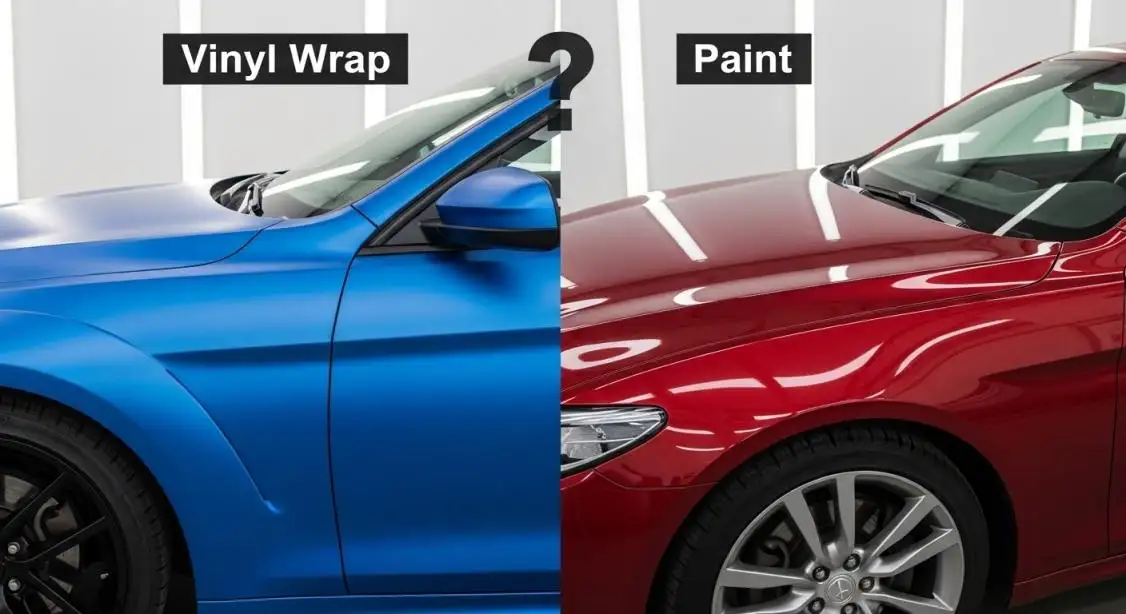
Best Protection: PPF or Vinyl Wrap? Every purchasing decision starts with this essential question for fleet managers, automotive buyers, and installation shop owners. After years of empirical research and field testing involving rock chips, chemical stains, sunlight exposure, and daily scratches, an answer became overwhelmingly evident. PPF (Paint Protection Film) provides unrivaled protection over extended periods of time, and vinyl wrap should be viewed as an option for temporary color changes with minor protection offered. Knowing this for 2026 and beyond will spare you and your company from rework and complaints from customers.
With this insight, we will outline the seven basic PPF vs. vinyl wrap battles using data, trends, and the actual manufacturing knowledge of HEY FILM.
1. Impact Resistance: PPF Absorbs, Vinyl Cracks
When an object strikes your vehicle at high speeds, the film's thickness and material will determine the outcome.
• PPF (6–10 mil TPU): absorbs energy, disperses impact, and does not damage the paint.
• Vinyl wrap (2–4 mil PVC): lacks elasticity, and, therefore, it will either crack or tear on impact, exposing paint.
• In real-world scenarios: PPF is 98% successful at impact resistance; vinyl wrap will fail within the first 6 months on high-risk areas such as hoods and bumpers.
Premium HEY FILM PPF is formulated with a high-grade thermoplastic polyurethane (TPU) that is 7.5 mils thick, which balances a protective layer with a high-performance flexible film.
2. Self-Healing Technology: Only PPF Self-Repairs.
Daily scratches from automatic car washes, tree branches, or careless cleaning happen often. Here's how each film responds:
PPF: scratches caused from the daily insults mentioned above are instantly removed when activated by heat (sun, warm water, or heat gun).
• Vinyl wrap: scratches are not removed and are permanent, which results in an expensive re-wrap.
• Long-term benefit: PPF keeps perfect gloss for 7+ years; vinyl wrap looks old after 18 months.
• Best Protection: PPF or Vinyl Wrap always suggests PPF for those looking for long-term looks.
3. UV and Yellowing Resistance
Fading and yellowing is a huge problem for vinyl wrap customers in hot places.
• PPF: newer formulas (like HEY FILM's) have UV blockers and anti-yellowing and pass 2,000+ hours in QUV testing.
• Vinyl wrap: PVC films and UV do not mix. They start to yellow and get brittle in 2–3 years.
• 2026 prediction: PPF films that are premium and offer 10-year warranties against yellowing will be standard. Vinyl rarely exceeds 3 years.
If you have outdoor fleets or nice cars, PPF is the only option.
4. Chemical and Stain Resistance
Vinyl wrap will get ruined by road tar and bird droppings. PPF is a different case:
• PPF: some nano or ceramic top coats are designed to not etch when wiped and repel chemicals.
• Vinyl wrap: absorbs stains and that's a porous surface. Trying to clean the vinyl will damage the print.
• PPF: less cleaning. Vinyl wrap: costs more for cleaning products and frequent replacements.
With savings in cleaning time of 40%, HEY FILM's top coat is designed to help you spend less time cleaning.
5. Lifespan and Total Cost of Ownership
Now, let's get to the numbers that procurement teams love.
| Feature | PPF (HEY FILM Grade) | Vinyl Wrap |
| Average lifespan | 7–10 years | 2–4 years |
| Replacement cycles per decade | 1 | 3–4 |
| 10-year cost (material + labor) | $2,500–$4,000 | $4,500–$8,000 |
| Resale value impact | +10–15% | 0% or negative |
• Key takeaway: PPF costs more upfront but saves 40–50% over a decade.
• Best Protection: PPF or Vinyl Wrap? The math favors PPF for any vehicle kept longer than 3 years.
6. Colored PPF: The 2026 Game-Changer
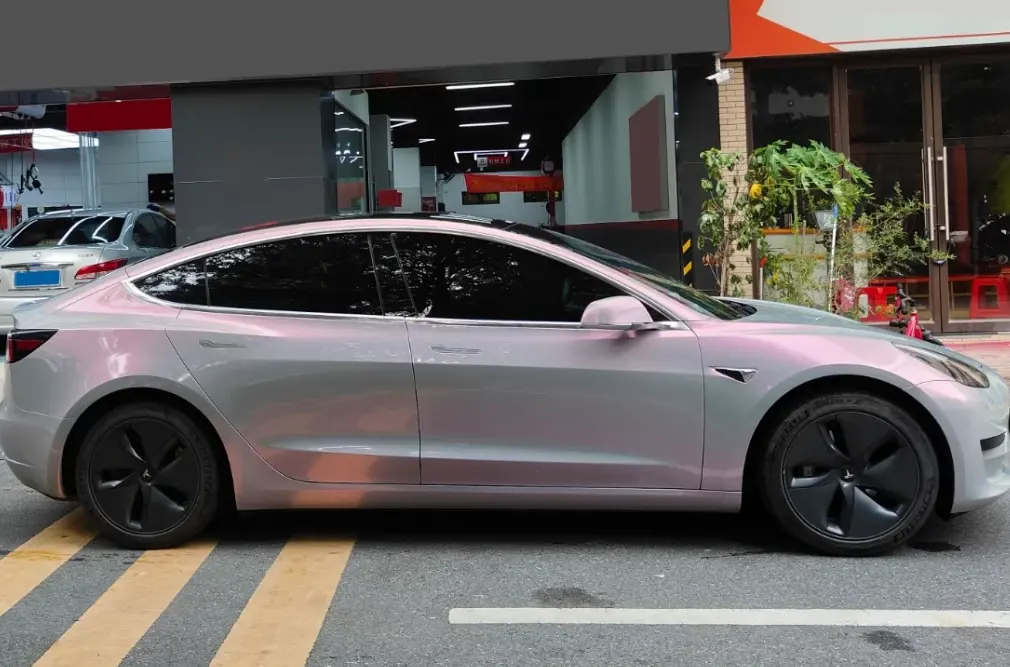
For years, buyers chose vinyl wrap only because they wanted a color change. That trade-off is now obsolete.
• Colored PPF: Same impact resistance and self-healing as clear PPF, plus vibrant matte, satin, or gloss colors.
• Vinyl wrap: Offers unlimited colors but zero protection—scratches, chips, and stains ruin the finish quickly.
• 2026 trend: Colored PPF adoption has grown 210% year-over-year among premium installers.
HEY FILM now produces TPU Color PPF in Black, White, Green, Gold, and carbon fiber finishes—each with full self-healing and a 10-year warranty.
7. Installation and Repairability
Installers care about efficiency. Vehicle owners care about seamless repairs.
• PPF: Conformable TPU wraps around complex geometries without creating heat lines. Damage will only need spot repairs and repairable by panels individually.
• Vinyl wrap: Requires perfect surface prep. If there's a single tear, the entire panel needs to be re-wrapped which doubles labor time.
• Shop profit margins: PPF is more expensive to install, but long term provides repeat business for maintenance. Vinyl wrap is the opposite, leading to warranty claims and dissatisfied clients.
"After switching 80% of our fleet business to HEY FILM PPF, our repaint requests dropped by 73%." — Verified installer partner, 2025 survey.
What Makes HEY FILM the PPF Industry Evolution Leader
As a specialized manufacturer, HEY FILM customizes each roll for their 2026 buyers with a few key advantages.
• New TPU designs: With the latest technology, our TPU is self-healing and resistant to yellowing and chemicals.
• State of the art coating: Uniformity to ±0.2 mil for thickness across the entire bulk order.
• Custom white-labels: Your branding with our protection.
• Internationally recognized: Our products meet CE, ASTM D523, and ISO 9001 standards.
We don't just meet the needs of the industry, we create them! HEY FILM had the capabilities to produce colored PPF in Q1 2025 before the demand even emerged. When buyers demanded longer warranties, we moved to 10-year standard coverage.
Final Verdict: Best Protection: PPF or Vinyl Wrap?
Best Protection: PPF or Vinyl Wrap? For impact resistance, self-healing, UV stability, chemical protection, lifespan, and total value—PPF wins every category. Vinyl wrap remains a temporary cosmetic option for short-term displays or budget color changes. For 2026 fleets, dealerships, and discerning vehicle owners, PPF is the only intelligent investment.
Ready to upgrade your protective film lineup? For inquiries on wholesale pricing, sample rolls, and technical support, contact HEY FILM. For our complete selection of clear and colored PPF, visit [https://www.heyppf.com/].
Frequently Asked Questions
Q: Can vinyl wrap ever match PPF's protection?
A: No. Vinyl has no impact resistance, no self-healing ability, and color limitations.
Q: How long will HEY FILM's PPF last with normal use?
A: HEY FILM's PPF can last up to 10 years with normal use and self-healing and anti-yellowing features.
Q: Is the durability of colored PPF on par with clear PPF?
A: Absolutely. HEY FILM's TPU Color PPF has the exact same 7.5mil protective layer as the clear PPF, including full self-healing and UV resistance.
Q: Does PPF affect vehicle resale value?
A: Yes, positively. PPF helps maintain the factory paint and can increase the resale value by 10-15%.
Q: Can I install PPF over existing vinyl wrap?
A: No. PPF will not adhere properly to vinyl wrap, and needs a clean, bare paint surface to give optimal results.