




Hot Tags

Clear TPU Paint Protection Film: Protect Your Paint While Preserving Its Original Look
November 10, 2026


The colour of the paint is well selected too. You now want protection but without sacrificing the metallic detail, texture/glimmer or depth that attracted you to it. Even if the film is transparent, it is part of the purchase when the protective layer shows.
The flexible clear TPU paint protection film does not hinder the visibility of the original paint, but provides a barrier. If you want a factory look, a question you want to ask is: How does the film look on your car, at normal viewing distances and after normal use? Be prepared for it before you compare claims of products.
Identify the things that are to be preserved.
None of the added surfaces will be undetectable in any light in the sense of being “clear”. Finishing may be influenced by reflections, texture and identifiable edges. Choose what is important to you – keeping the paint colour, keeping the gloss, or making it hard to notice any transitions in paint coverage.
HEY FILM paint protection films are designed to protect, not change, paint color, and offer a place to start when dealing with a painted surface. If you are going for the factory finish, request a clear gloss. Even if the colour is visible, a satin finish will give a different look.
Talk about expectations (with the real vehicle). Different viewing conditions are offered by pearl white, metallic silver and dark solid colours. By all means do not use one convincing looking demo to decide on another type of paint finish.
Let's get clear where the paint is, not a loose sheet!
A film sample does not give you much of an idea of what a bodywork painting will look like, if you put it against a window. Ask to view a paint sample or demonstration board that is similar in color to the paint you are looking for. Look at the paint detail through the film compared to a neighbouring area that is not covered with film.
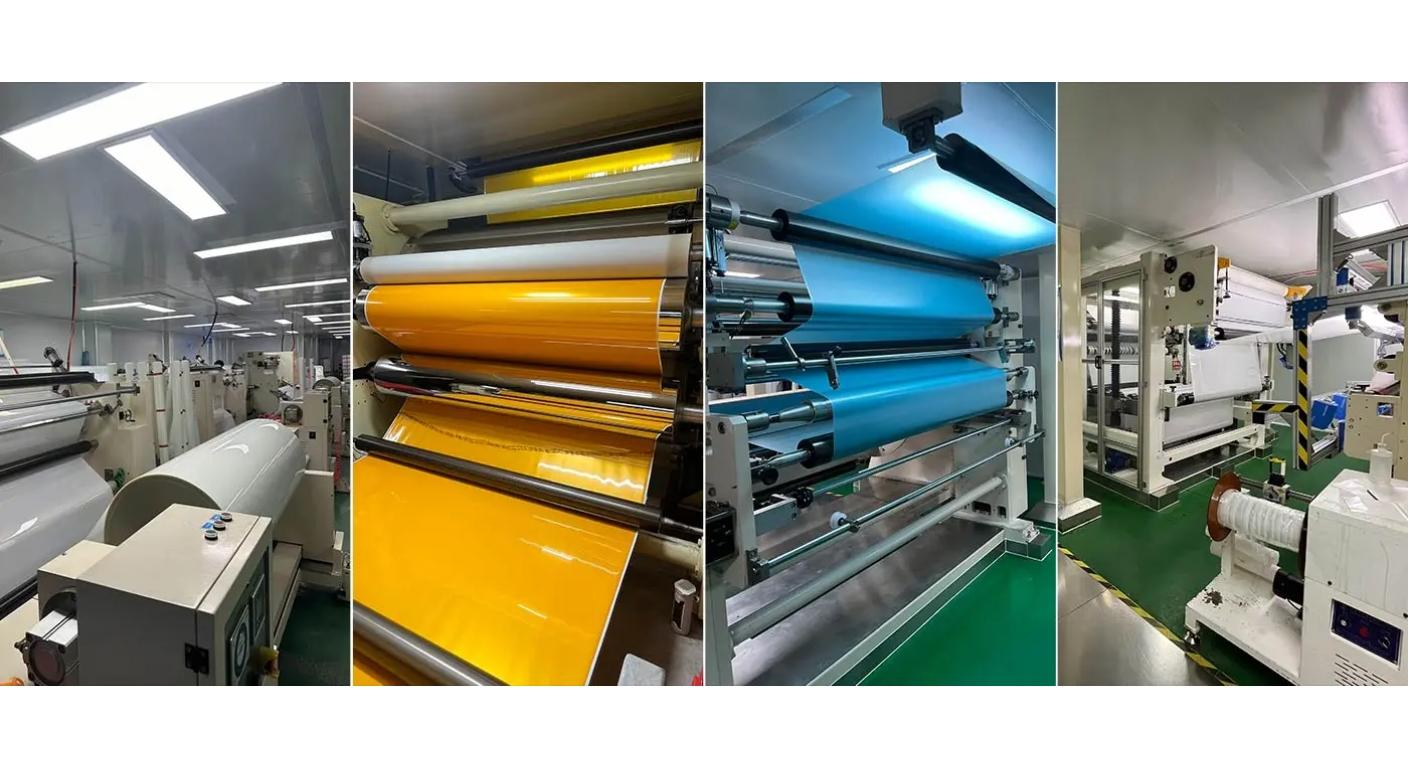
The clear paint protection film used in HEY FILM is a “transparent” film with a Lubrizol TPU base, Bostik adhesive and Aquacoat coating. These details pertain to a particular construction to assess. They can't take the place of checking the look of such material following competent application.
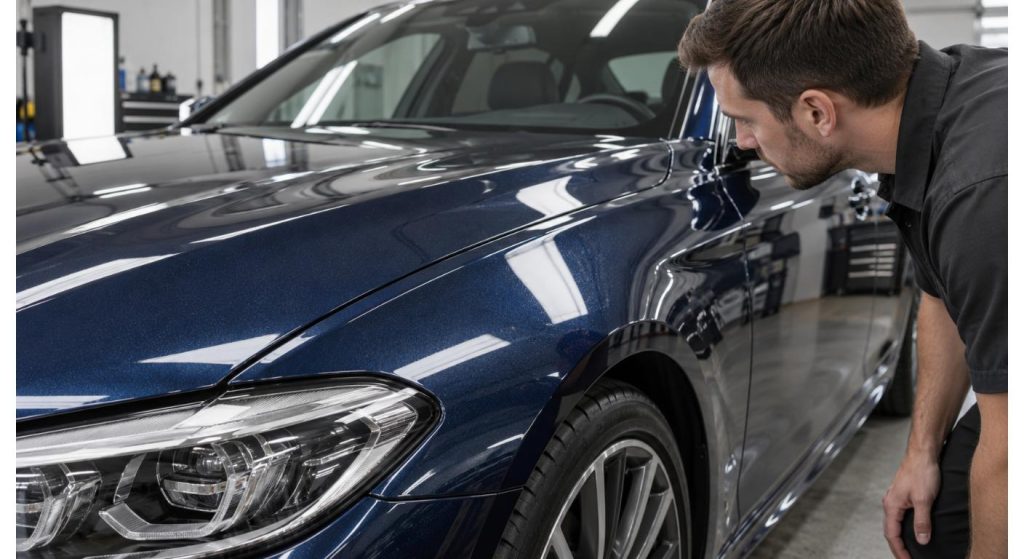
Check the panel during daylight and using directional lighting in the workshop. Don't just appraise one picture; wander around her. Check for any unwanted haze, tint or loss of visible paint detail, and allow the installer to clarify any temporary haze or tint that may occur if a sample is applied for the first time.
Do not use the percentage of light transmission as a full description of appearance. Discuss what an optical figure is, and how it was tested. Other factors such as surface texture, installation and even the paint underneath also influence the visual outcome.
Read Reflections Across Flat Panels and Curves
Wide reflections can suggest some differences which are not obvious on a close inspection of the painting. Trace the outline of a window or level light on a hood or a door. Take a look at the surface appearance to ensure it is acceptable, but don't presume that all reflections need to be the same as bare paint.
Next, check a curved surface - a mirror cap or bumper corner. It may look okay on a flat demo board, but look different when it is shaped in installation. Don't expect a product photo shoot alone, request to view completed work instead.
Any pre-existing paint texture also impacts reflections. Ask the installer to identify what the paint was originally like vs. what it is covered with. That way there will be no payment for any material change, since the visible material was already present in the clear coat.
| Paint Appearance | Detail Worth Comparing |
| Dark solid colour | Reflected light definition |
| Metallic silver | Visibility of fine metallic detail |
| Pearl white | Subtle warmth or tint |
| Refinished panel | Existing colour and texture variation |
Dispose of the plan boundaries in a discreet way.
When using transparent coverage, there can be visible edges. A partial hood forms a transition along a wide band and a full panel transition pushes that band closer to the edges of the panel. If you are considering buying just because of the appearance on a real vehicle, make sure to compare appearances first.
The edges may be wrapped, which will make some terminations less obvious, but it will depend upon access and the form and surrounding trim of the panel. Define edges / joins that should be visible. It's better to have a clear agreement than a general promise that no one will ever discover the film.
HEY FILM has a wide enough oversized hood protection film measured at 183 cm. Where there is room for a planned single piece application, extra width is provided. The installer must still take measurements of the surface, consider curves and verify edge treatment.
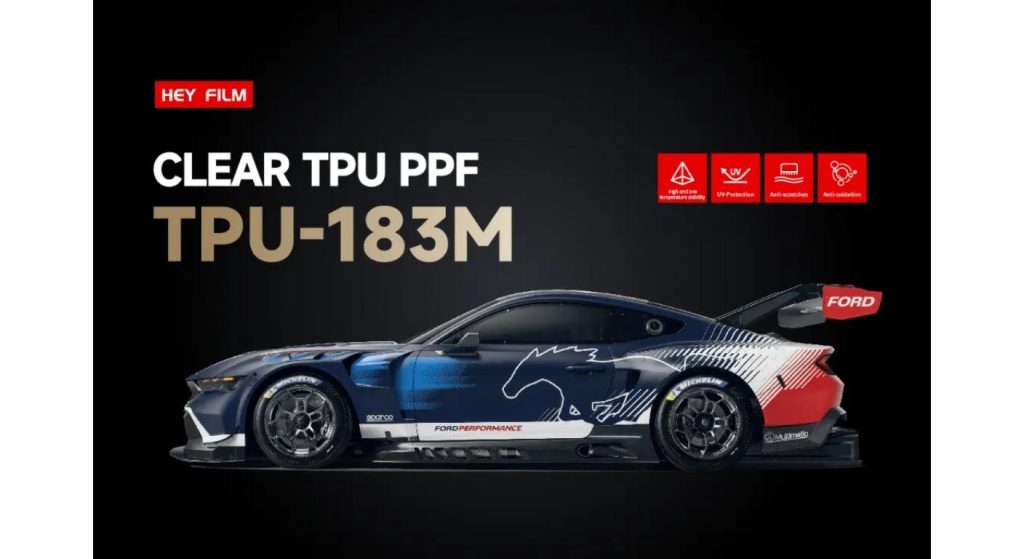
Seeing as appearance is a vital part of the preparation process, why not factor that into the process itself?
Clear film does not obscure the original paint, whether there are paint defects exposed or not. Staining and scratches, and stone chips should be evaluated prior to application. Inquire about the most appropriate type of cleaning, decontamination or correction and what improvement is realistic for your paint.
Show that the surfaces have been recently painted or repaired, and that there are existing surface coatings. These may impact the preparations and suitability and should be discussed prior to booking. Never hope to have a clear sheet of film to disguise a shoddy repair job or to produce even colour in mismatched panels.
Compare work completed to agreed sample and coverage plan at collection. Gain information on sighted water, haze or other temporary issues and check that the product installed has a review period. Make a note of things which require reassessment rather than a diagnosis or correction.
Prevent spills and messes by day to day care.
The surface of a transparent finish can be a problem when it becomes contaminated; it can be viewed and reflected through it. Wash products and dry materials and according to the supplier's instructions, give the initial settling period. Quickly and effectively clean contamination by approved means not by rubbing.
The U7 hydrophobic protection film is a special option, which has a water-repellent smart coating. Hydrophobic behaviour may assist in cleaning but it doesn't remove dirt or ensure that a surface will be free of dirt when it dries. Ensure that the film type you choose has the coating you want.
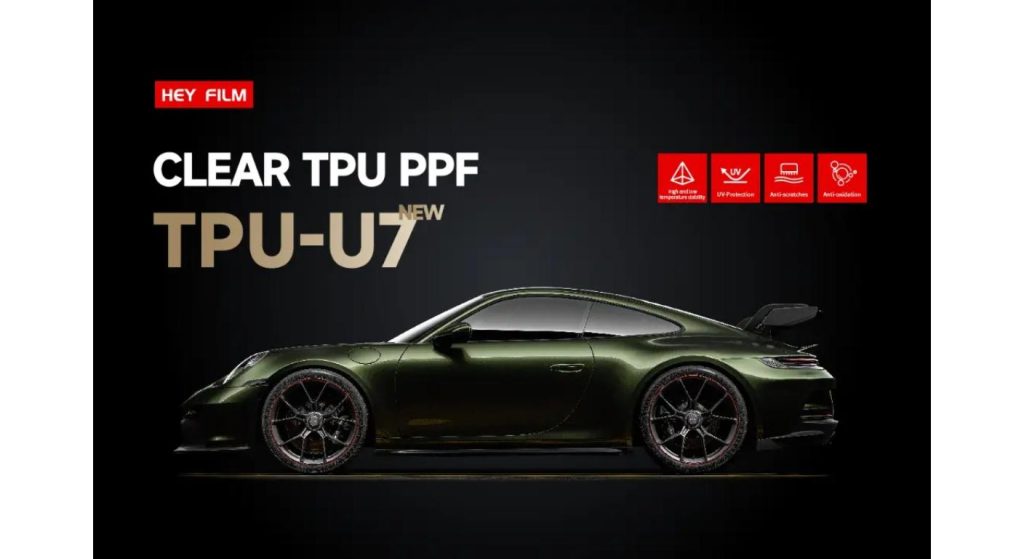
If changes in appearance occur later ask the installer to check if the problem is the presence of surface residue, film damage or some other problem has occurred and do not replace material. Maintain film model and installation records available. Using product identification to make care advice and any warranty enquiry more precise.
Conclusion
TPU paint protection film should be capable of protecting any paint that you wish to see. Finalize the look of the installation and check reflections on sample surfaces and determine where it will be cut off. A good prep and proper care will keep the outcome intact and a realistic expectation will make it easier to decide.
FAQs
Q1. Will clear TPU PPF affect the colour of my car?
It is to be used to preserve the visible paint colour. Look at an installed sample, as there may be differences in surface appearance.
Q2. Will clear film cover up any existing scratches?
Don't use it to cover up flaws. Have paint tested and discuss preparation prior to painting.
Q3. Does full-hood coverage not gain traction as much as partial coverage?
Does not involve film border in the middle of the hood. It's possible for edges of the perimeter to still be seen on inspection.
Q4. Does such a hydrophobic film block all water spots?
No 2. Water can leave residue when it dries. Use the suggested washing/drying procedure.
Q5. If the film is cloudy after installation is there a problem?
Have someone install it and ask them to determine the settling time. Schedule a follow-up if appearance doesn't clear up as recommended.