




Hot Tags
Hydrophobic vs. Hydrophilic: The 2026 High-Quality Paint Protection Film Tech
March 10, 2026


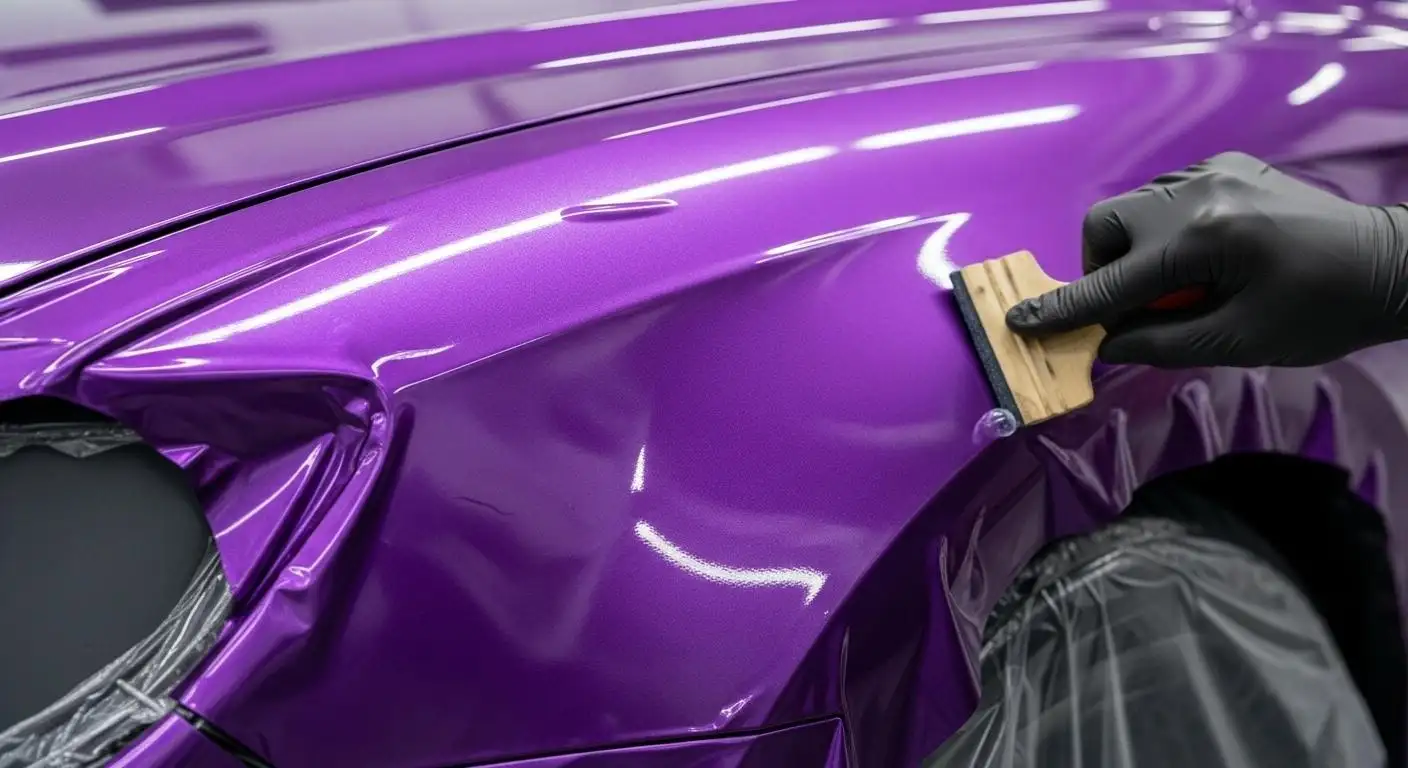
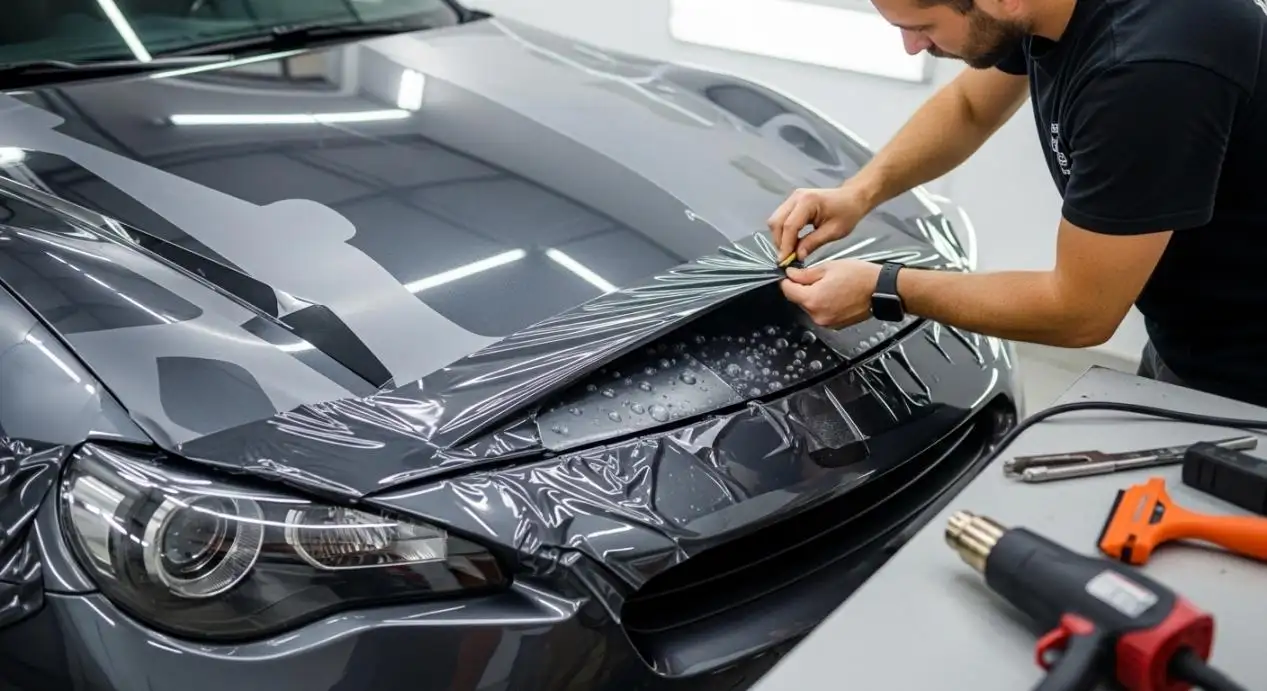
High-Quality Paint Protection Film is no longer judged by thickness alone. In 2026, buyers are paying closer attention to surface chemistry, because the topcoat now plays a major role in gloss retention, washability, visual clarity, and long-term user satisfaction. At HEY FILM, we see this shift clearly across global demand. The paint protection film market was estimated at USD 502.55 million in 2024 and is projected to reach USD 726.63 million by 2030, which shows that product performance and technology are becoming stronger purchase drivers across the category.
Why Surface Chemistry Matters More in 2026
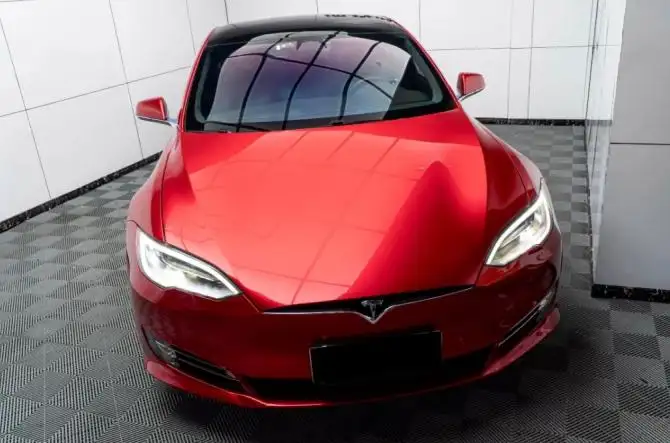
For many years, vehicle owners focused on basic protection against stone chips, light scratches, and weathering. That is still essential. However, the market now expects more from a premium film. Installers and end users want a cleaner finish, easier maintenance, and a surface that keeps its appearance after repeated washing and daily exposure. Official product pages from major industry brands now highlight self-healing, hydrophobicity, stain resistance, and easy-clean performance as standard premium features rather than optional upgrades.
This is why the hydrophobic versus hydrophilic discussion matters. It is not a marketing phrase. It is a practical way to understand how water behaves on the film surface, and that behavior affects cleaning, contamination release, and viewing quality. For clients choosing a High-Quality Paint Protection Film program, understanding this difference helps them match the film to the vehicle, climate, and user expectation.
Hydrophobic And Hydrophilic Mean Different Water Behavior
The simplest way to explain the difference is through water contact angle. A surface with a contact angle above 90° is generally considered hydrophobic, while a lower angle indicates stronger hydrophilicity. Hydrophilic anti-fog surfaces are designed so water spreads into a thin sheet instead of remaining as separate droplets. In contrast, hydrophobic surfaces encourage water beading and roll-off.
In practical automotive terms, hydrophobicity usually supports the visual effect that car owners prefer on body panels. Water beads more easily, dirt is easier to rinse away, and the surface tends to stay cleaner between washes. Hydrophilic behavior has value in other optical applications, especially where anti-fogging or water sheeting is important, but it does not create the same bead-and-release effect that many users associate with a premium exterior finish. That is why many high-end automotive PPF products now emphasize hydrophobic topcoats in their positioning.
Why Hydrophobic Topcoats Lead In High-Quality Paint Protection Film
From the perspective of vehicle body protection, hydrophobic surfaces offer several direct commercial advantages. They improve maintenance efficiency, help reduce visible water spotting in daily use, and strengthen the "just detailed" appearance that matters in retail presentation and owner satisfaction. XPEL describes its ULTIMATE FUSION film as using a hydrophobic topcoat that repels water and makes the surface easier to wash and keep clean. 3M also describes its premium PPF lines as hydrophobic, self-healing, and easy to clean.
At HEY FILM, we view hydrophobicity as part of a broader performance package rather than a single feature. A true High-Quality Paint Protection Film should combine:
✓Strong optical clarity
✓Reliable self-healing response
✓Stain and contamination resistance
✓Balanced flexibility for clean installation
These features must work together. A strong bead effect alone is not enough if the film yellows early, marks too easily, or loses surface smoothness after service. The best product strategy is to evaluate the full material system, including TPU base film, adhesive stability, and topcoat engineering.
Where Hydrophilic Technology Still Has Value
Hydrophilic surfaces should not be dismissed. They solve a different problem. Technical literature on anti-fog coatings explains that hydrophilic surfaces reduce fogging by allowing condensed water to spread into a transparent film rather than separate droplets. In advanced research, superhydrophilic performance is often associated with contact angles below 10°.
That means hydrophilic technology can be useful where optical continuity is the priority, such as specialized lens, display, or sensor-related applications. Yet for mainstream painted body panels, many buyers still prefer hydrophobic behavior because it aligns with easier washing and a more premium visible finish. In other words, hydrophilic and hydrophobic are not competing in every use case. They answer different performance priorities. The right selection depends on whether the client values anti-fog sheeting behavior or easy-clean bead behavior more strongly.
The Material Stack Behind Modern Film Performance
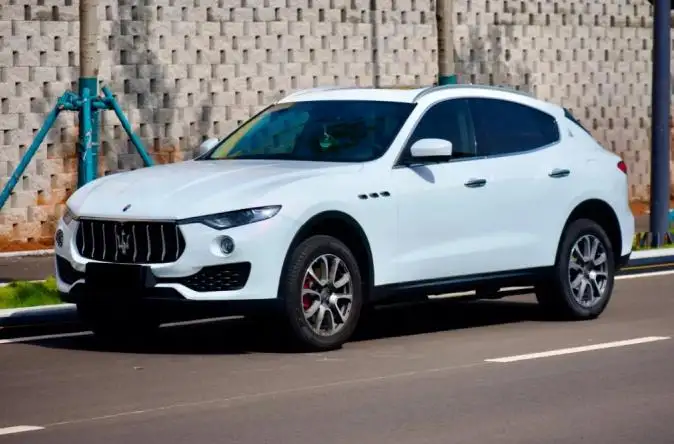
The 2026 market also expects better proof of material science. Modern premium PPF is commonly built around thermoplastic polyurethane (TPU) and an engineered top layer. Major manufacturers describe self-healing performance as coming from advanced elastomeric polymer systems, while recent TPU research shows that surface modification can raise water contact angle from 83° to 105°, improving hydrophobicity and lowering water absorption.
This matters for buyers because the performance story is increasingly measurable. A sophisticated film is not simply "clear plastic." It is a layered protection system designed for impact absorption, surface recovery, gloss stability, and easier maintenance. As the market grows, buyers are becoming more selective about topcoat durability, installation behavior, and long-term appearance retention.
How HEY FILM Recommends Clients Choose in 2026
At HEY FILM, our recommendation is straightforward. For most exterior body applications, hydrophobic topcoat technology is the stronger direction because it supports the maintenance habits and appearance standards that most vehicle owners expect from a High-Quality Paint Protection Film. Hydrophilic technology remains meaningful, but it should be selected for the right optical function rather than treated as a universal upgrade.
When evaluating a film, clients should ask practical questions before confirming a program:
✓What is the film base material and topcoat structure?
✓Does the product combine hydrophobicity with self-healing and stain resistance?
✓To what extent can the film preserve its gloss and clarity under real-world conditions?
✓Is the material engineered to fit complex body lines and edge sections with ease?
✓Does the supplier maintain strong technical communication and dependable production capacity?
The 2026 market rewards products that deliver protection, finish quality, and easier ownership in one system. That is the standard HEY FILM aims to meet. For distributors, installers, and brand owners planning their next product line, this is the right time to compare topcoat technologies with greater precision. Contact HEY FILM to discuss your target market, finish preferences, and performance priorities, and we will help you identify the most suitable High-Quality Paint Protection Film solution for your program.