




Hot Tags
Chrome Vinyl Wrap: Why the Most Reflective Finish Is Also the Least Forgiving
August 18, 2026


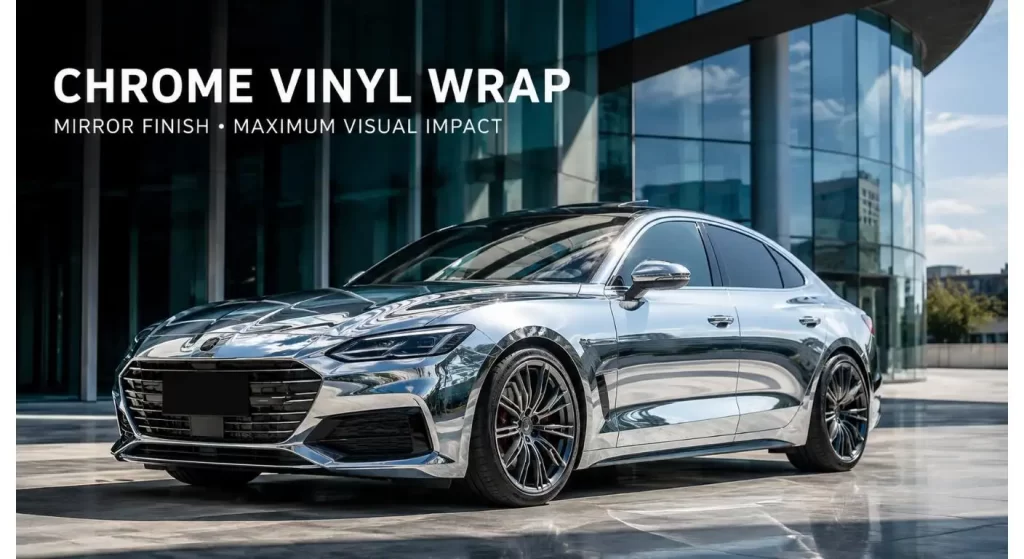
Unlike any other ordinary colour, a Chrome Vinyl Wrap can transform any recognisable vehicle so much more.
Using it in an open sky, the car body mirrors buildings, clouds and traffic. Bring it inside - all the LED strips cross the panels. That's why folks opt for chrome—and that's why it's so tough to camouflage a poor quality setup.
Normal satin gray, your eye sees color. Chrome on something means that your eye can see through it to the surface below.
That's a big difference in the whole project.
Start With the Car Before Choosing the Chrome
Chrome is best suited to be applied to existing good-quality panels.
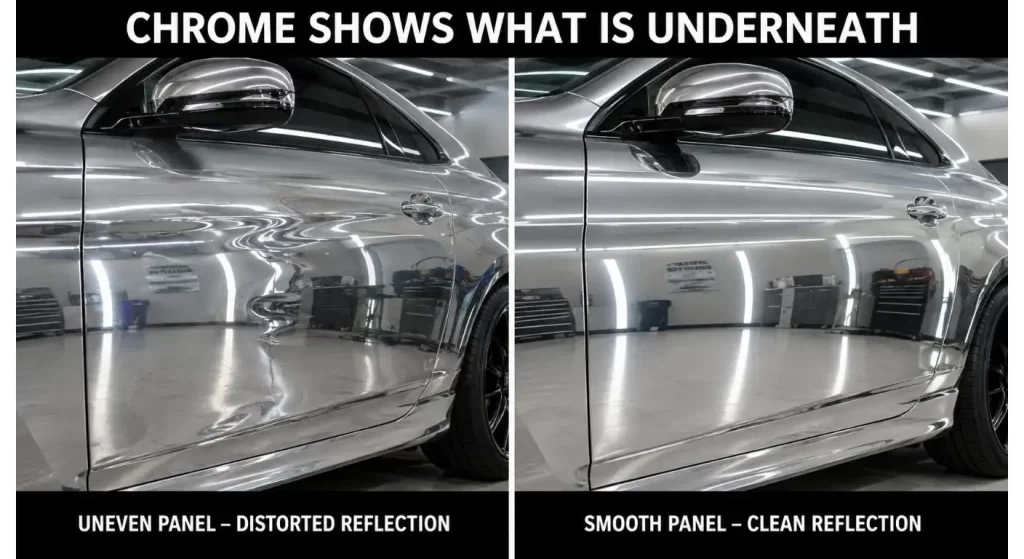
A lot of little issues, including dents, sanding marks, and uneven repairs and paint damage, can be heightened when a highly reflective surface is added. Vinyl will change in appearance, but it is not body filler.
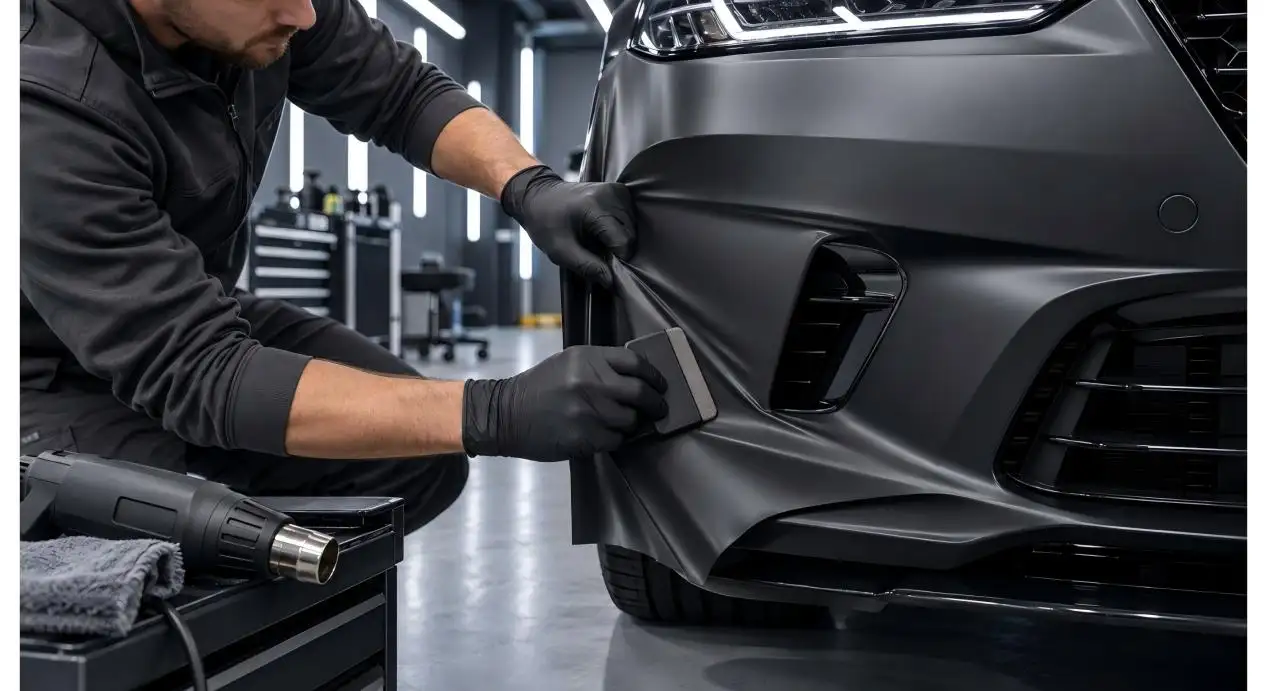
HEY FILM's entire Vinyl Wrap collection is developed to alter vehicle colour and finish and conform to body curves, also maintaining the original paintwork underneath. That doesn't mean, however, that the substrate cannot be incompatible prior to installation.
Check the car under side lighting NOT just under shop lighting before ordering the film.
Chrome Changes With the Environment
Chrome is unique in that the “color” is never used alone.
A silver chrome car is parked next to trees and is green in some areas. Large horizontal panels can be cool reflections under a blue sky. Street-lights and shop signs enter into the design at night.
This is unlike selecting a traditional gloss colour from a swatch.
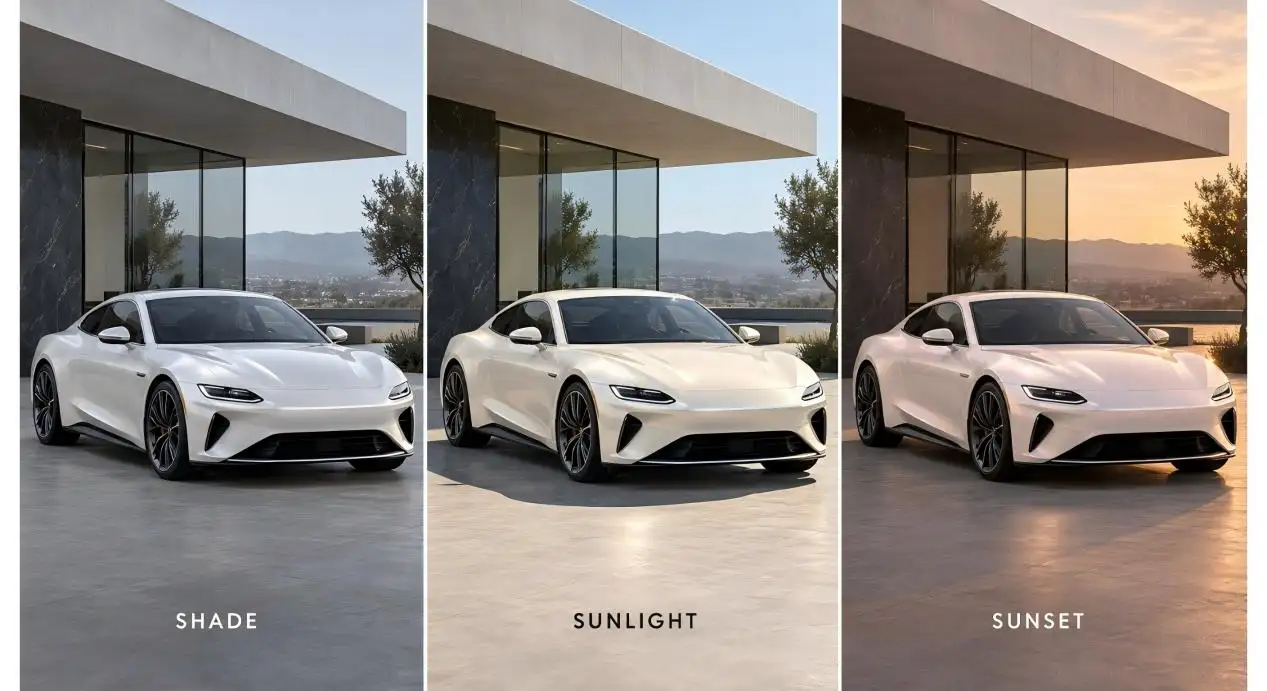
HEY FILM's Car Color Change Wrap guide says there are different lighting conditions to check out for finishes. This piece of advice is even more important when using a highly reflective surface.
Before taking the final decision, take sample outside.
| Vehicle Condition | What to Check |
| Factory paint | Stable and smooth surface |
| Repaired panels | Sanding or texture differences |
| Body panels | Dents and waves |
| Complex bumper | Stretch and seam strategy |
| Deep recesses | Film stress during installation |
| Existing trim | Removal or edge finishing plan |
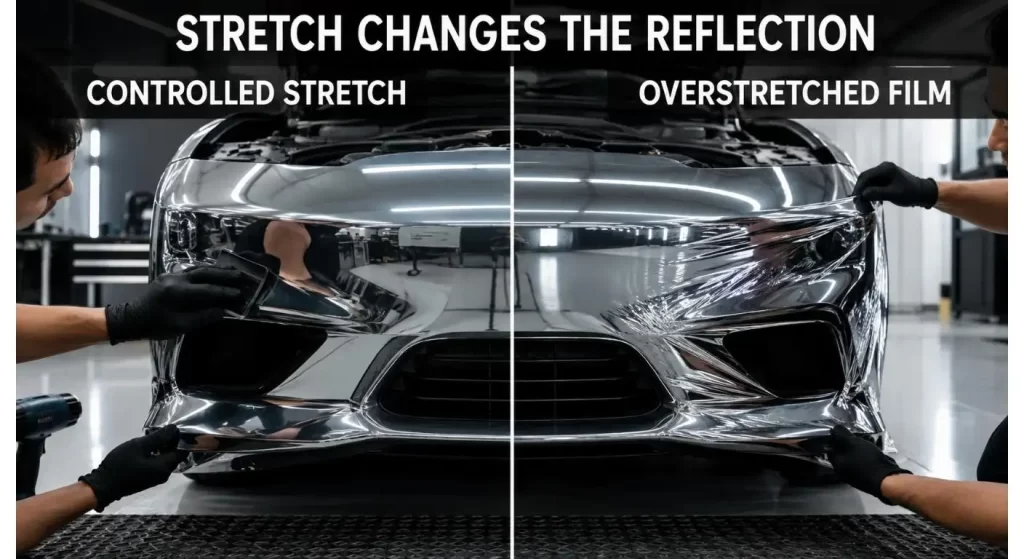
Stretch can be more that just fit.
Some conforming is required with every wrap around curves. Chrome helps to make the consequences more visible.
If the image that is reflected by the highly reflective film is pulled aggressively around a bumper corner or around a mirror housing or deep recess, the image can start to look uneven. What fits may no longer match up to an unstretched panel.
HEY FILM installation instructions also highlight that care must be taken when stretching so that the gloss, color or metallic look of the film is not affected, and there is not an excessive residual tension around the edges or recesses. (heyppf.com)
Stretch is then used and not everywhere, for the good chrome installation.
Seams Are Sometimes Better Than Heroics by Michael C. Marder, M.D., FACPE
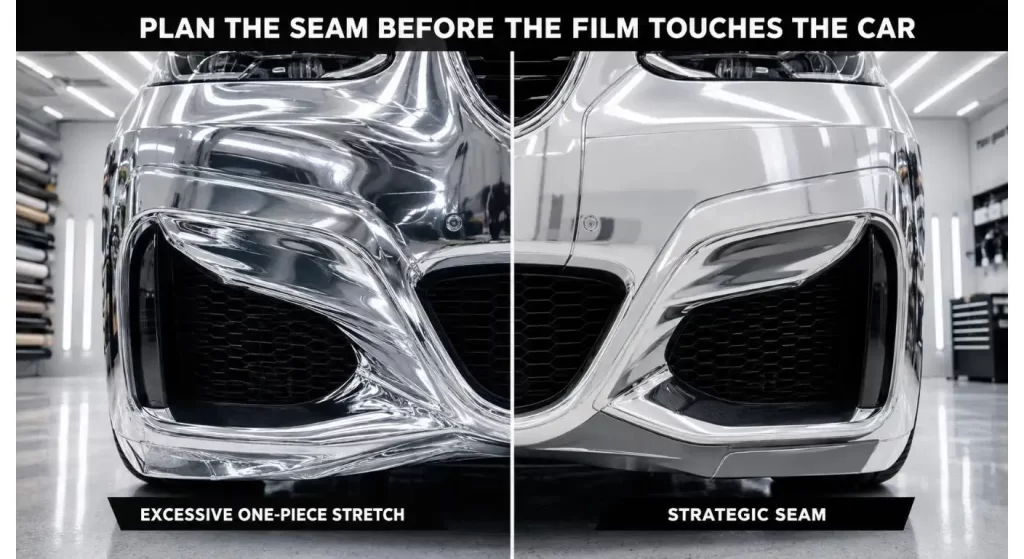
Installers are obviously looking for less seams. So do customers typically.
However, attempting to force one sheet over a very complicated bumper can lead to an even poorer outcome than a controlled seam down a natural bodyline.
It is possible that the clean seam is not located near a factory edge and is not easily visible. The middle of the bumper is a much more difficult place to ignore the distorted reflections.
One of the reasons for planning a chrome project one panel at a time is this.
It's not Just for Full Chrome.
While a full mirror chrome car is definitely a show-stopper, it is not the only thing that it can be used for.
Chrome is a pretty great accent color:
- roof or hood shaped parts;
- mirror caps;
- lower trim;
- side graphics;
- selected aerodynamic parts.
Partial coverage also provides the opportunity for the reflective finish to play off of satin, gloss or textured surfaces. HEY FILM's guide to Vinyl Wrap Finishes demonstrates the vast difference in the look of gloss, matte, satin and metallic surfaces.
One chrome detail can be mightier than a whole chrome vehicle.
Direction Matters on the Panel when creating the Finished look.
When it comes to standard colors, nearby pieces might be nearly indistinguishable from a lot of angles.
Reflective finishes have a lower tolerance.
Two side by side panels set up with different film orientation and/or with different amounts of stretch can reflect light differently. This is particularly evident on long doors, quarter panels or bumper areas.
Therefore, it is important to determine the roll direction, panel order and seam position prior to cutting by professional installer.
It is not just about covering all of the painted surfaces. It's to make the reflections look like one car.
| Installation Area | Plan Before Cutting |
| Hood | Reflection direction |
| Doors | Consistent film orientation |
| Front Bumper | Stretch and seam location |
| Rear Bumper | Complex curve strategy |
| Mirror Caps | Controlled conforming |
| Door Handles | Removal and edge finish |
| Quarter Panels | Alignment with adjacent panels |
Chrome Brings Out the Best in Your Washing the Car!
A mirror finish shows up where care has been taken and lack of care.
Dust, dried up water and fine wash marks are just easier to see when the surface acts as a mirror. So, the aggressive brushes and hard cleaning won't help.
According to HAY FILM's Textured Vinyl Wrap guide, highly reflective glossy surfaces will be more apt to show signs of small imperfection than textures that break up reflections.
Before you install it, you must realize that Chrome owners will require more visual maintenance.
Determine if Chrome—or Permanent Paint is desired.
Chrome wrap is a great choice if the plan is to make a dramatic change without taking the body into the new look.
If the vehicle has good stock color beneath, that will make a difference. The main distinction between car paint and vinyl wrap is that one is permanent paintwork whereas the other is exterior removable vinyl.
That flexibility can be more advantageous in a show project that could be totally different next year.
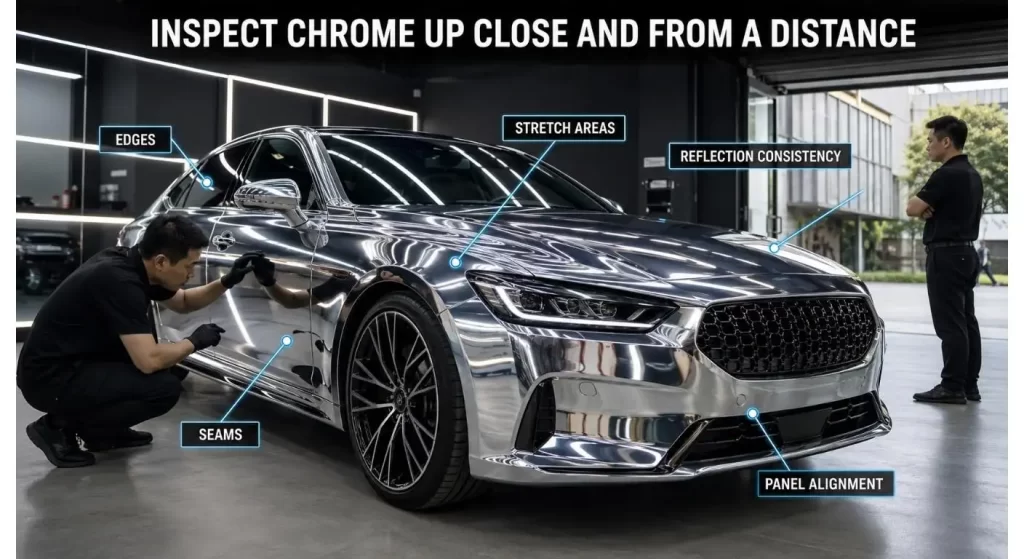
Evaluate Finished Car (Over 1 Metre Away)
Both Chrome and Mozilla Firefox require two tests.
First, stand close. Look for edges, seams, corners and recessed areas.
Then step back.
Run around the car in daylight. Don't look directly at the door, look along the door. See how straight objects in the environment reflect in neighbouring panels.
When you look at one door that's wrapped perfectly, that second inspection is oftentimes more telling about a chrome installation on the whole.
FAQ
Q1. How difficult is it to install Chrome Vinyl Wrap as compared to regular vinyl?
Overall, it requires more control as it shows the stretch and panel imperfections and seams more easily through the reflective finish. Particularly, complex bumpers and recesses should be taken into account.
Q2. Are there any dents in the vinyl wrap on the Chromebook?
It can match the colour of the face, but can't fix bodywork irregularities or dents. Very high reflectivity finishes can make the defect on the surface more noticeable.
Q3. Do full bodys or part bodys of chrome work best?
Not necessarily. Accents can provide a clearer contrast and less reflective surface to maintain, while full chrome will certainly make the most impact.
Q4. Is it possible to apply chrome strip to top of factory paint?
Can be applied over appropriate, stable painted surfaces, with adequate preparation. Areas where paint is damaged or peeling or has not been properly repaired should be evaluated first.
Q5. What is the correct way of caring for a chrome-wrapped car?
Gently wash and avoid harsh chemicals and brushes. Reflective finishes can accentuate dust, water markings and surface finishes and imperfections.