




Hot Tags
Pearl Vinyl Wrap: How to Choose a Refined Light-Responsive Car Finish
September 15, 2026


Pearl vinyl wrap is in the middle of an ordinary solid color and an aggressive color-shift finish. The light-reflective fine particles help to diffuse light and give the vehicle a serene appearance, and a more three-dimensional effect when exposed to light.
That's the reason for this transformation, and that's why it's so hard to pick a song. A small swatch of the film in the interior cannot demonstrate its performance on a hood, door, bumper and curved quarter panel.
How does a Pearl Vinyl Wrap work?
The colored layer in pearl wrap is made up of fine light-reflective particles above and/or within the colored wrap. These particles have a scattering effect that redirects light to create a glowing effect, not a sparkle like coarse metallic flake.
The way it looks is dependent on three inter-related components:
- The base color of the vinyl that is used.
- The amount of color and density of the pearl particles
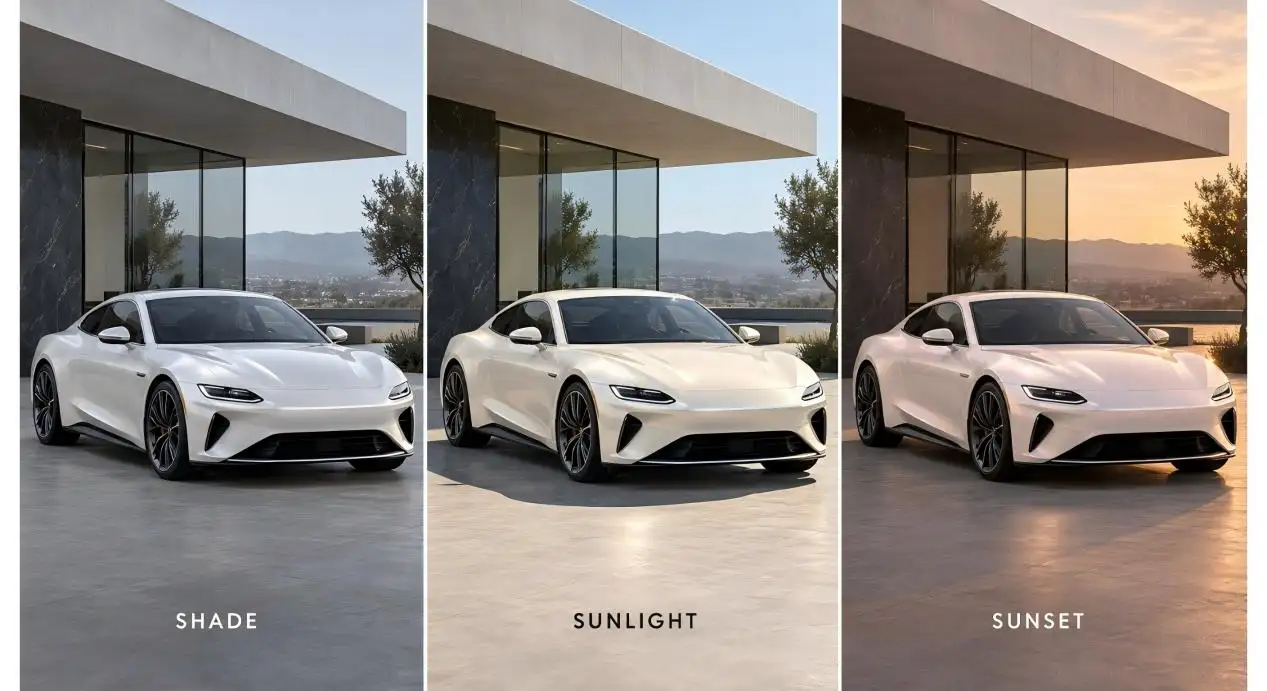
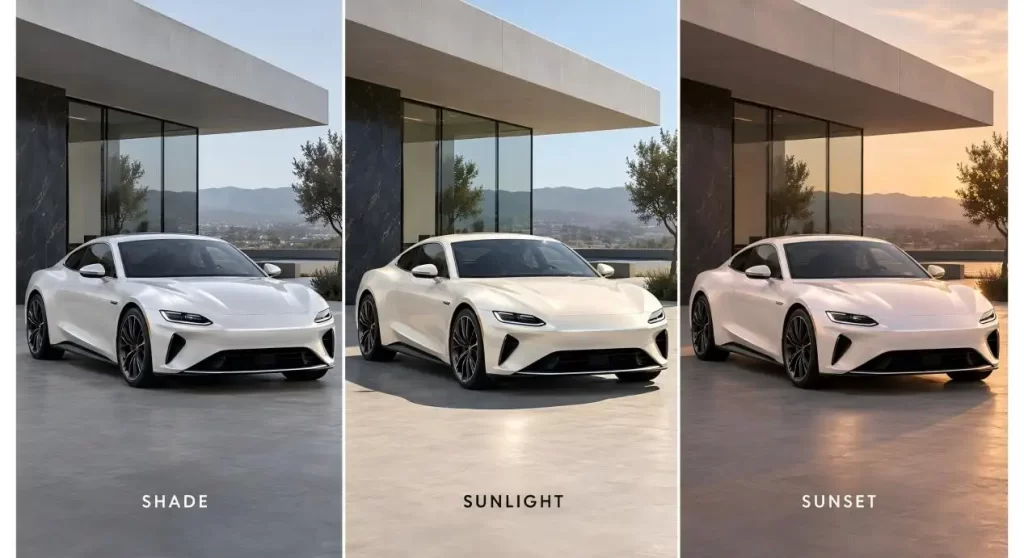
- Direction and intensity of the light around us
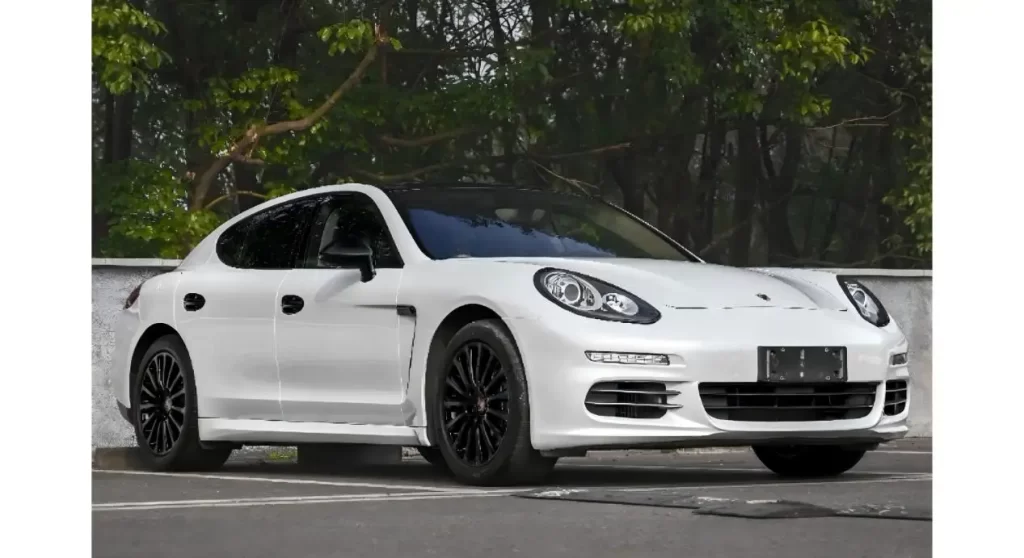
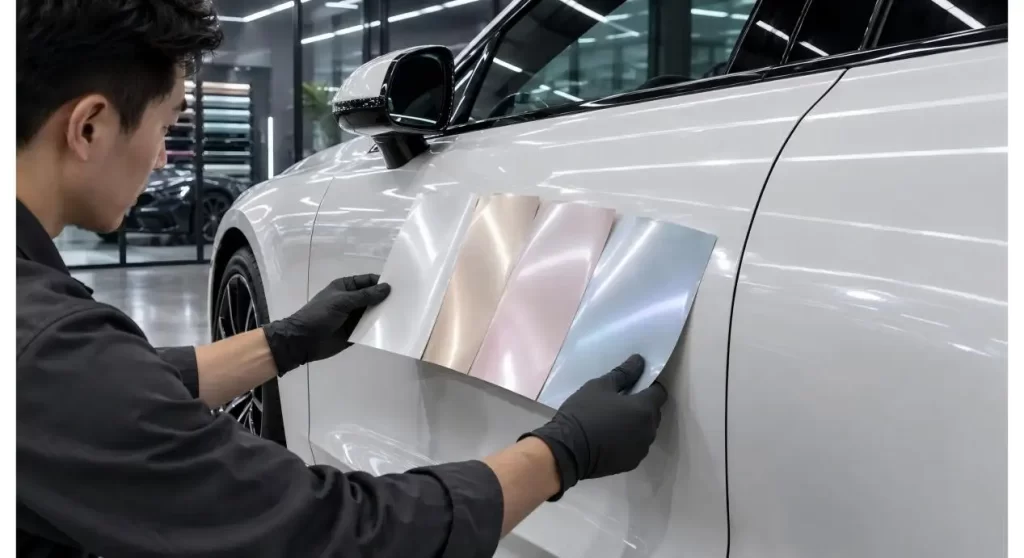
White pearl can show off silver, gold, pink or blue colors. Dark pearl colors may seem almost black in the shade and show better light in direct lighting.
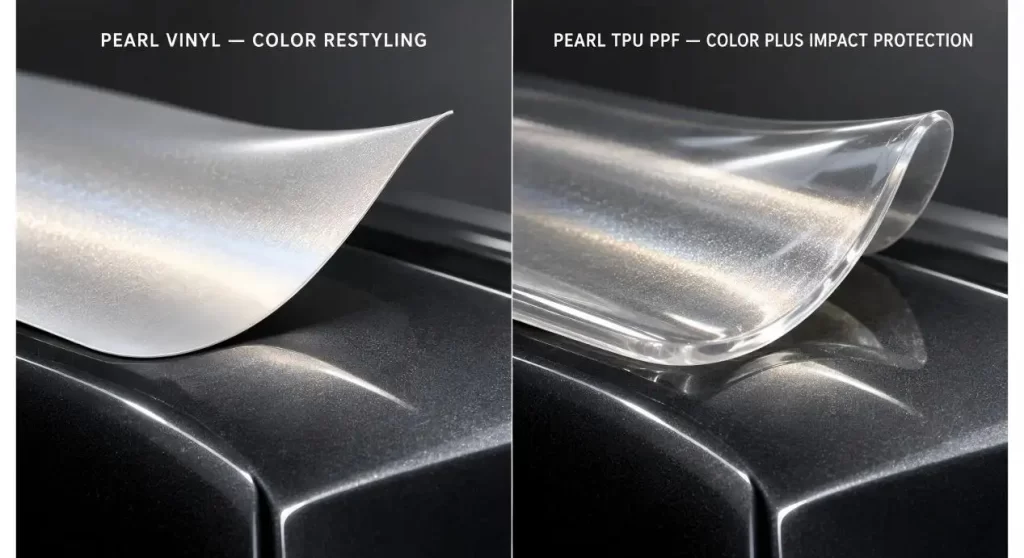
While a protective TPU film, Pearl White Colored PPF is a helpful visual aid to understand the concept of a soft pearl finish as opposed to a vinyl wrap.
The term 'Pearl' is used in different ways than 'Metallic and Color-Shift'.
Pearl film is a subtle shimmering that occurs with tiny reflective particles. Generally metallic wrap will display a more pronounced sparkle that looks like metal itself, and the color-shift film will shift from one color to another, or more, as the viewing angle changes.
Pearl is suitable for situations where it's desirable to accent the shape of the vehicle. Metallic finishes will be more appropriate for a more robust industrial or performance appearance, while color-shift films will be designed to capture the initial attention of the observer.
The divisions between these names may vary from supplier to supplier. Don't decide on a product based on the finish alone; ask for a physical sample and product specification.
| Lighting Condition | Expected Appearance | Evaluation Purpose |
| Indoor white light | Base color is clearest | Confirm primary tone |
| Direct sunlight | Pearl particles become stronger | Check shimmer intensity |
| Overcast daylight | Softer and more uniform color | Assess daily appearance |
| Sunset light | Warm secondary tones appear | Observe color interaction |
| Street lighting | Reflections may become deeper | Check nighttime appearance |
Select the Undertone with Care
The undertone will have an impact on what wheels, glass, trim, lights and interior details go with the wrap. A warm white-gold pearl would be a great choice for a pair of bronze wheels in a beige interior, while a cool white-blue pearl would be a good option for a combination of silver wheels and dark inside glass.
Think about the purposes of the vehicle. Subtle pearl white may be the best choice for luxury and business models, and pink, violet, blue or green pearl effects may be more fitting for builds which are personalized or used for promotion.
The softness and change of reflectivity of the Pearl Pink Colored PPF from HEY FILM is demonstrated.
Rotate the sample so that the evaluator can get a full view of it.
A sample needs to be large enough to be able to bend across the curved panel. Compare it to the car's wheels, windows, trim and uncovered paint.
- Look on the film under:
- Direct midday sunlight
- When the sun is not in view or when it is cloudy.
- Warm indoor lighting
- Cool workshop LEDs
- In addition to the day it will also be lighted in the evening.
- Wet and dry surface conditions (both wetness and dryness)
Photographs should assist the decision and not be a substitute for physical viewing. The effect of the pearl on the camera and screen can cause particles to look larger or smaller and give a different undertone than what is perceived with the naked eye.
Film Direction Controls Color Consistency
There are many pearl films that are directional. When one panel is rotated 90 or 180 degrees, the light reflected from it will look different from the light reflected from the adjacent panel, because of the change in the way the light reflects off each panel.
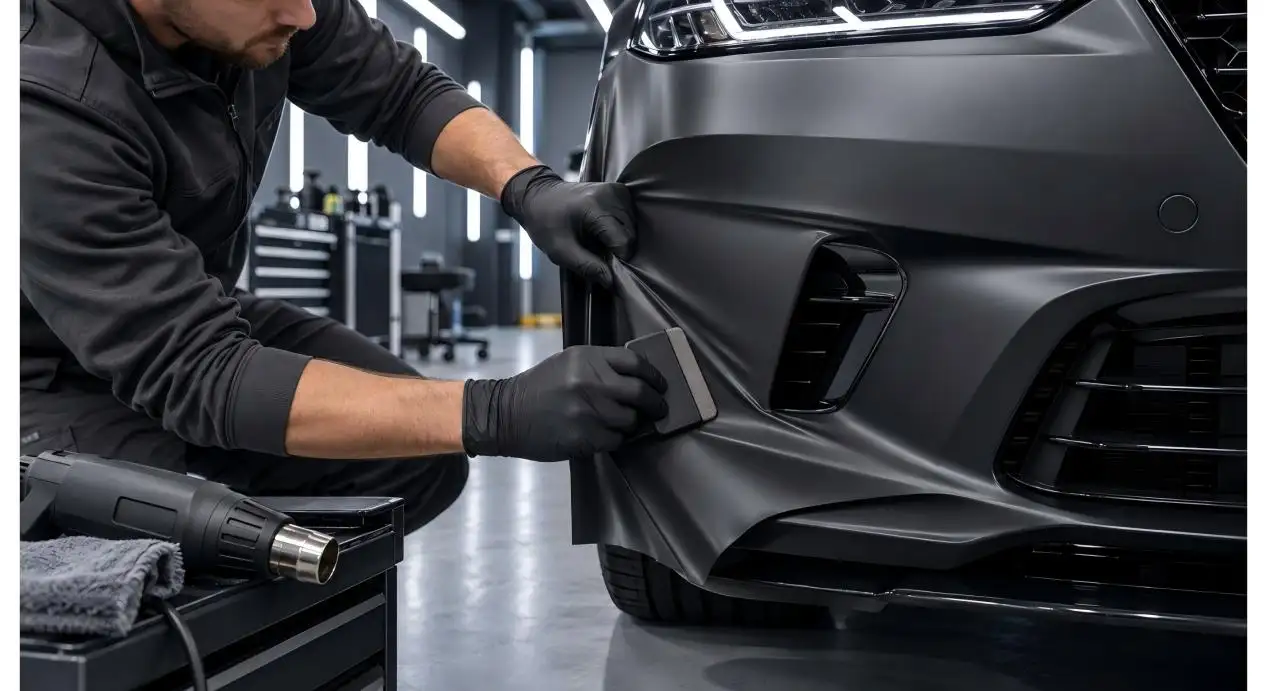
Installers should always set the roll direction with the roll direction marks, and uphold them on the hood, doors, fenders, roof and bumpers. The reverse side doesn't necessarily match the front of the item if waste is to be reduced.
On large side profiles, there is a need for directionality when there are no breaks. In addition, great care should be taken to not over-stretch the color layer when installing, as this may result in reducing the color layer to varying thicknesses along curves and consequently alter the density of the pearls.
Manage Batches, Seams and Repairs
There may be slight differences between different production lots. Film should, therefore, be used as a batch as much as possible for a full vehicle.
Seams should not cross high visibility surfaces but should be placed on natural panel lines. Keep Product Code, Batch Number, Installation Photos and Spare Material for future repairs.
A fresh film and panel can still be brighter than the other film and panel that is older and have been exposed to outdoors. Maintaining the vehicle's cleanliness and preventing too much exposure to UV will help to reduce uneven visual aging.
Do you need to go with Pearl Vinyl or Pearl Colored PPF?
With a primary function of style, pearl vinyl is a major part of a designer's tool kit. It provides flexibility of customization, at a generally lower cost of the project, and is suitable for owners who are likely to want to modify the vehicle's appearance again.
Pearl coloured PPF provides the benefits of the pearl effect with increased thickness of the TPU structure for enhanced chip, scratch, stain and road debris resistance. Tends to be a more expensive investment.
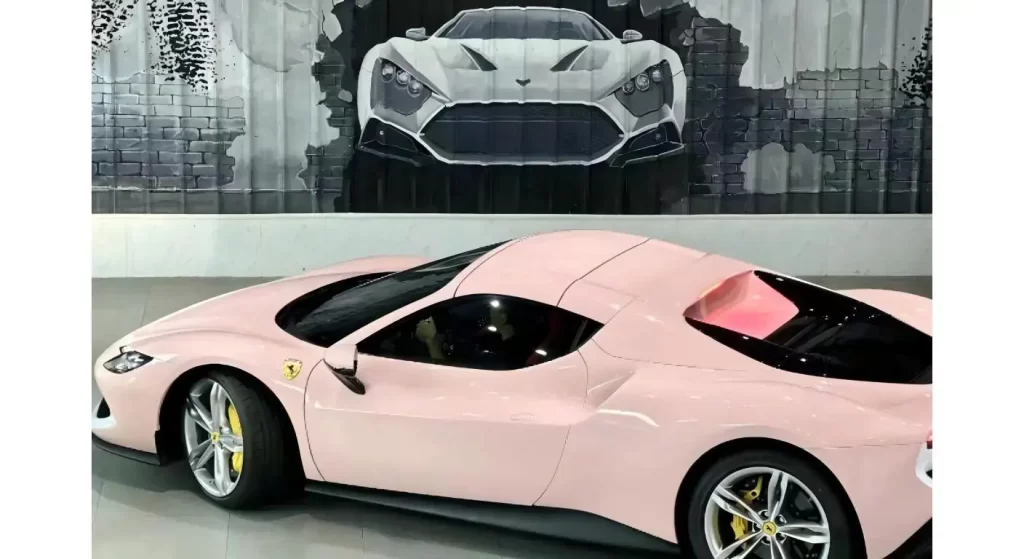
Check out the HEY FILM coloured PPF selection of PEARL PINK and PEARL WHITE and other specialty protective finishes. The vinyl wrap range is available in a wider variety of colours and finishes for applications that require styling as well as other applications.
Keeping a pearl finish
Use a pH neutral automotive cleaner, soft mitt and clean microfiber towels to wash the vehicle. Clean up of insects, bird droppings, fuel, and tree sap and road tar should be done quickly.
Apply safe products for the surface finish on the film. Abrasive compounds can cause a loss of the gloss or effects on the visibility of the particles, unsuitable waxes will leave an uneven residue. Pressure washing should also not be pressure washed close to seams and edges.
Selecting the appropriate Pearl Vinyl Wrap.
The most desirable pearl wrap ought to look great on the vehicle, and not simply on a sample card. Check undertones in various lighting, make sure that it is directional or not, check the batch for consistency and hire an installer with experience in pearl or metallic finishes.
If you are looking for samples, or special color development, distribution or OEM/ODM cooperation, please send in a request to HEY FILM.
| Sample Area | What to Confirm | Why It Matters |
| Flat section | Base color consistency | Represents large panels |
| Curved section | Pearl effect after stretching | Prevents faded curves |
| Panel overlap | Color alignment | Avoids visible seams |
| Roll-to-roll sample | Batch consistency | Supports full-car matching |
| Existing paint | Coverage and opacity | Prevents color interference |
FAQ
Q1. Is pearl vinyl the same as metallic vinyl?
No. Pearl will give off a more subtle, more luminous effect, while metallic vinyl will give a more pronounced effect of metal flakes. Product names may be different, please check at a local sample.
Q2. Does pearl vinyl have a directionality?
Many pearl films are directional as the particles in the film have different interactions with light when oriented in different ways. Check the installation direction prior to cutting in panels.
Q3. Is there any colour change in pearl wrap?
It can show some different variations in light, but not as much as a true chameleon, or color-shift wrap.
Q4. Is the pearl vinyl for vehicles suitable for paint protection?
It can offer very simple protection against surface wear and contamination. A pearl coloured TPU PPF can be used for increased impact resistance.
Q5. Is it possible to repair a damaged panel by re-wrapping it?
Yes, but it must be the same product and preferably the same batch. There could be a slight variation from surrounding panels when the panels are outdoor aged.