




Hot Tags

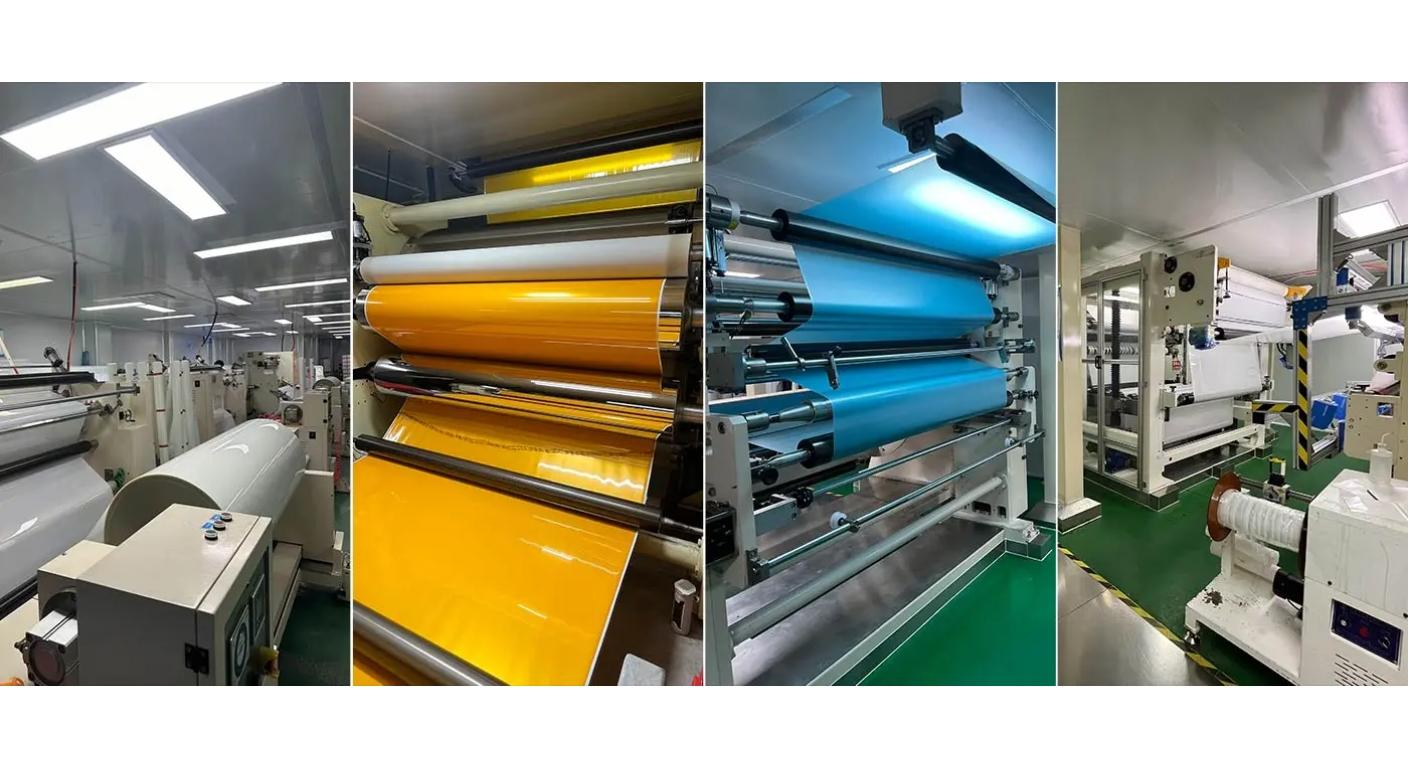
Color PPF for Cars: Select a Finish That Works for Everyday Ownership
November 9, 2026


A color that is great in a saved photo may not be the same when going all over the car. The brightness, the reflections and the amount of bodywork seen all makes a difference. Colored protection film adds another layer of choice when it comes to styling, since it will also be the surface to clean, examine and possibly replace later.
Colour PPF – this is a coating that is applied to the surface of the car as well as the colour. If the owner desires both, a handy starting point is not the lengthiest catalogue of colours. A clear outline of how to approve finish, vehicle coverings and how to keep the vehicle consistent with time.
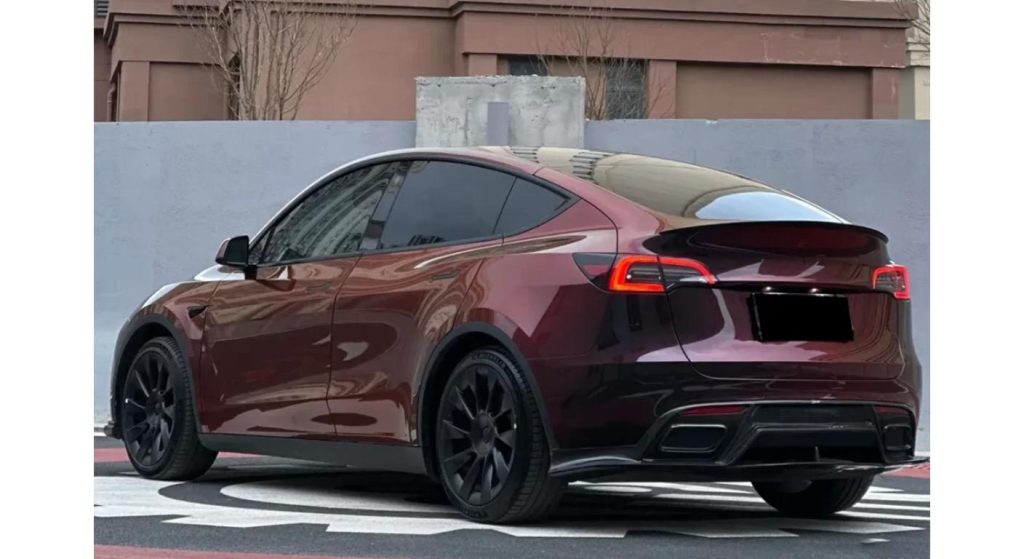
Choose to show or hide New Colour or Original Paint
Transparent PPF ensures that the original paint colour is not covered. Coloured PPF will be different on the outside and provide a protective layer. Clear film may be suitable for achieving your goal if you are a fan of the factory colour.
If colour change is a key component of the project, then compare coloured PPF against vinyl with the actual product details. The description of the material and the coating and the purpose of protection is more important than a generic “wrap”. Not all colored film is created equal when it comes to impact resistance, surface characteristics or scratching.
HEY FILM's paint protection film collection is divided into four categories: coloured, gloss, gloss metal and matt metal and special design. Those categories are a much more viable and convenient option for visual direction than a dozen non-related photos to choose from when requesting samples.
Select Accentuate or Softened Finish Behavior.
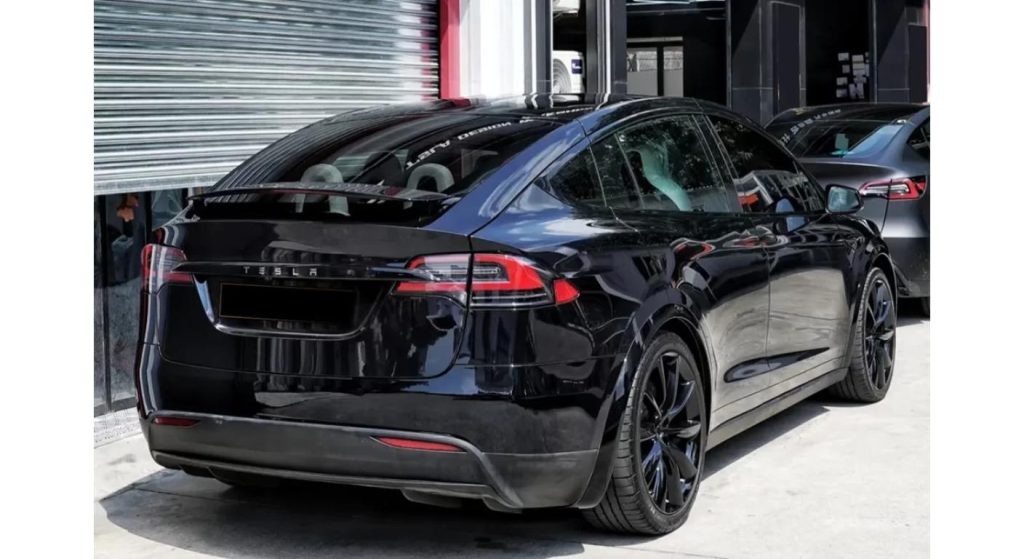
Consider if you prefer a more constant colour or if you want more of a "glint" effect with angle, or if you want detail in metallic colour. The body proportions can be a major focus with a restrained finish or the finish can create an effect that requires evaluation throughout the vehicle.
For instance, HEY FILM's Carbon Black Metallic coloured PPF is said to be a black finish with fine metallic accents of silver. It's a different visual option than a plain black – also check the sparkle and apparent brightness and reflections before you assume that these will be the same.
The other way is shown with the company's Diamond White Blue example that has white as the base color and cool blue highlights with the pearlescent finish. Think about the finish in relation to wheels, window trim and exposed factory paint. An inviting sample ought to also be coherent next to any parts which stay the same.
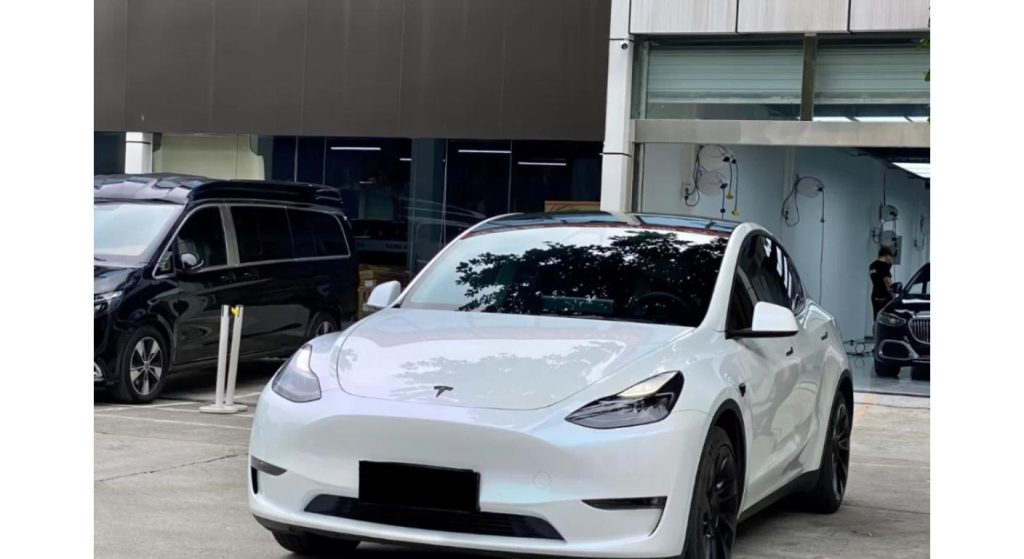
Don't use these examples as a prediction of what you'll see on your screen, but rather as a preference. The curve of the car and the light around the car has an effect on what you see, especially when the film has metallic or moving effects.
At the places you have been seeing the car, approve of the samples.
Ask to get a real sample of the product they intend to give you. Look at it both lengthways and across (Doors and hoods reflect differently). Look at it outside in the shade and under lights (where you typically park it), not just bright showroom lights.
Do comparisons between shortlisted colours. When you look at a sample today and then again the next day, it's more difficult to determine the subtle differences. Take care not to obstruct the vehicle's wheels and trim with vegetation, and back away to get a feel for the whole vehicle and the surface detail.
There's a need to pay attention to colour-shifting films. HEY FILM example Flip Psychedelic Green can be different in different lights and from different angles. Turn the sample around and walk around it - accept the variety of looks, do not expect the desired green look to be the one that will dominate from every viewing angle.
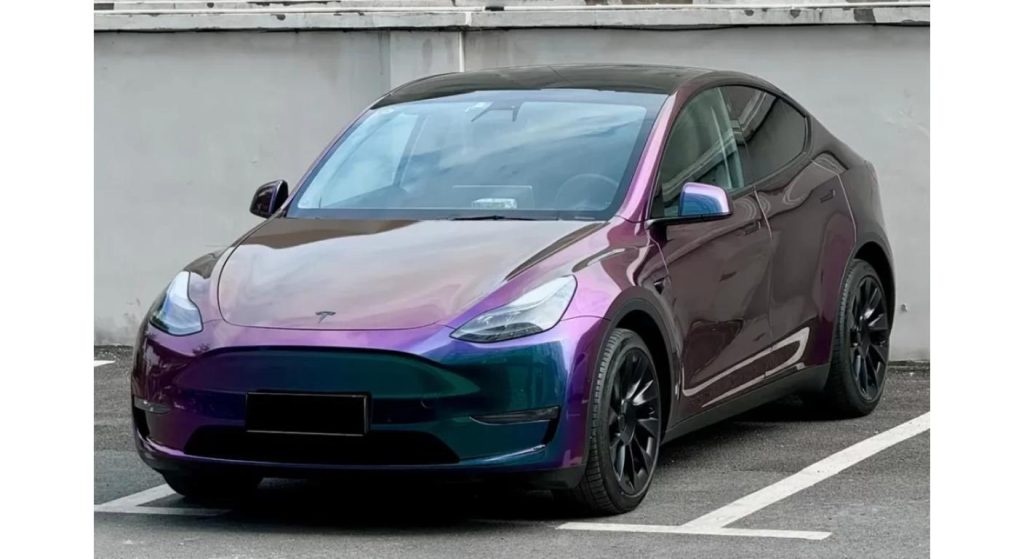
Photos are still great for capturing an idea but, the processing settings of the camera and the display can cause colour to change. Use an approved physical sample (and its product code) as a reference. If a directional finish is chosen, inquire about the direction the installer will use for the film on neighbouring panels.
| Viewing Condition | Detail to Examine |
| Direct sunlight | Sparkle intensity |
| Open shade | Base tone |
| Garage lighting | Reflection character |
| Across a curved sample | Highlight transitions |
Identify the response to the exterior panel(s)
Not all exterior colour changes are automatically considered a full exterior colour change, including door jambs, inner returns and all painted recesses. Open all doors, hood and tailgate and discuss coverage. Determine the location(s) where the original colour will still be visible and if the contrast is acceptable in normal use.
This is especially important if you are transitioning from a very light to a very dark colour or the other way around. When doors are opened, it can be seen if a dark exterior is over a light original finish. Choose if they can be accepted or if more work is needed, which should be very clearly explained in terms of its access requirements and cost.
Cover the following separately – mirrors, handles, spoiler sections and bumpers. Complex shapes might need a purposely designed join or different termination point. A credible proposal will not only promise a uniform change in colour without taking panel geometry into account but will explain the details before installation.
Make sure to view the Protection Behind the Colour.
Finish to be evaluated in conjunction with the product it covers. Request information on the material being used, the thickness that can be used and the characteristics of the coating and written warranty for the selected colour. Don't copy specifications from a clear film or other series of colours to the product to be quoted.
Gloss Black PPF product page on HEY FILM’s web site states that it is made from an aliphatic polyurethane construction, and has hydrophobic and self-healing properties. Some information is handy to check with the supplier, just on the particular product. They should not be taken as a given for all of the finishes displayed in a gallery.
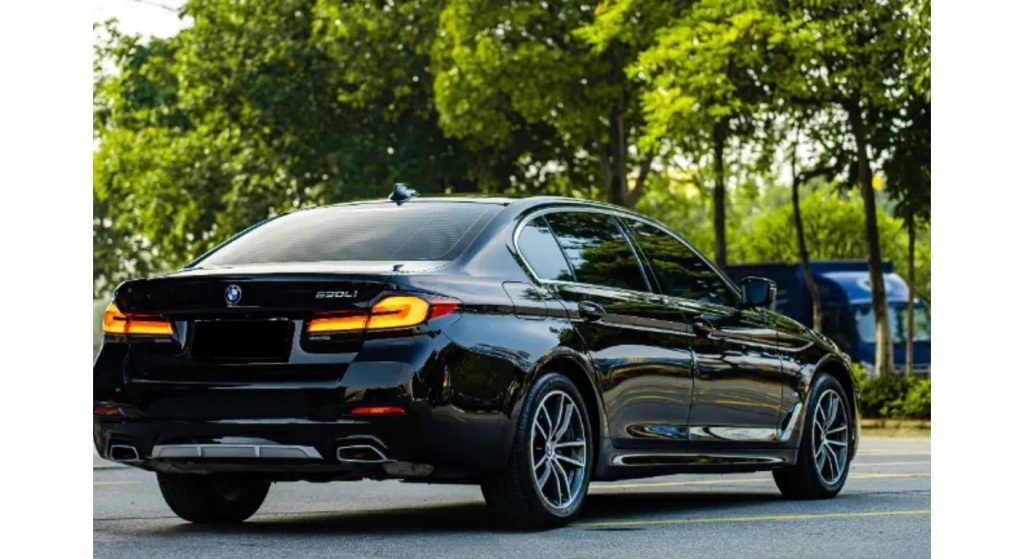
Self-healing does not mean that there is missing material or deep cuts, but only that the light surface marks are suitable. Similarly, washing and immediate removal of contaminants is still required for a hydrophobic surface. Realistically view protection of the judge, film can help to reduce the damage in daily wear, but cannot avoid all the impacts and maintenance.
Schedule for the 1st Replacement Panel (1st RPL)
When it comes to bumper repair, it is a colour matching challenge, as well as a fitting challenge, later. Prior to ordering, enquire as to how the exact film is going to be determined as well as if replacement material is readily available. Write down the product code and batch information provided with the installation.
What may look different is fresh material next to film that has been exposed to the sun for a few months or years and has been cleaned. Matching name is not enough to ensure an invisible repair. In case of replacement, evaluate the surrounding panels in daylight together and determine the extent of the repair.
Discuss if it is feasible to keep labelled material and where it is to be kept. In any case, retain an approved sample and a purchase record. It provides more accurate enquiries when they come back in the future, particularly should the original colour range change, or the vehicle be transferred to another installer.
Conclusion
Car colour PPF is best done in conjunction with colour approval, and long-term ownership. Select the visual effect, examine the actual material and agree the point at which the new finish will finish. Having the colour of the car documented, they will look more intentional now and will be easier to handle when the car needs maintenance.
FAQs
Q1. What is the difference between coloured PPF and coloured vinyl?
Not applicable: Material and protective construction compared. Other colours are not equal to other colours.
Q2. Will original paint colour be noticeable?
Verify opacity with selected film on typical surface. Original paint may be visible at uncovered openings and panel gaps.
Q3. Is the colour-shifting PPF still the same colour?
No. It changes appearance when lighted and with different viewing angles. Confirmed full effect by physical sample.
Q4. Is it possible only one panel can be replaced?
In theory, yes, but it is important to do colour and finish matching first. The fresh film may show differences in color compared with the rest of the aged film.
Q5. Are all of the colours covered by the same warranty?
Do not assume so. Get in writing terms for the precise product, excluding and the claim procedure.