




Hot Tags

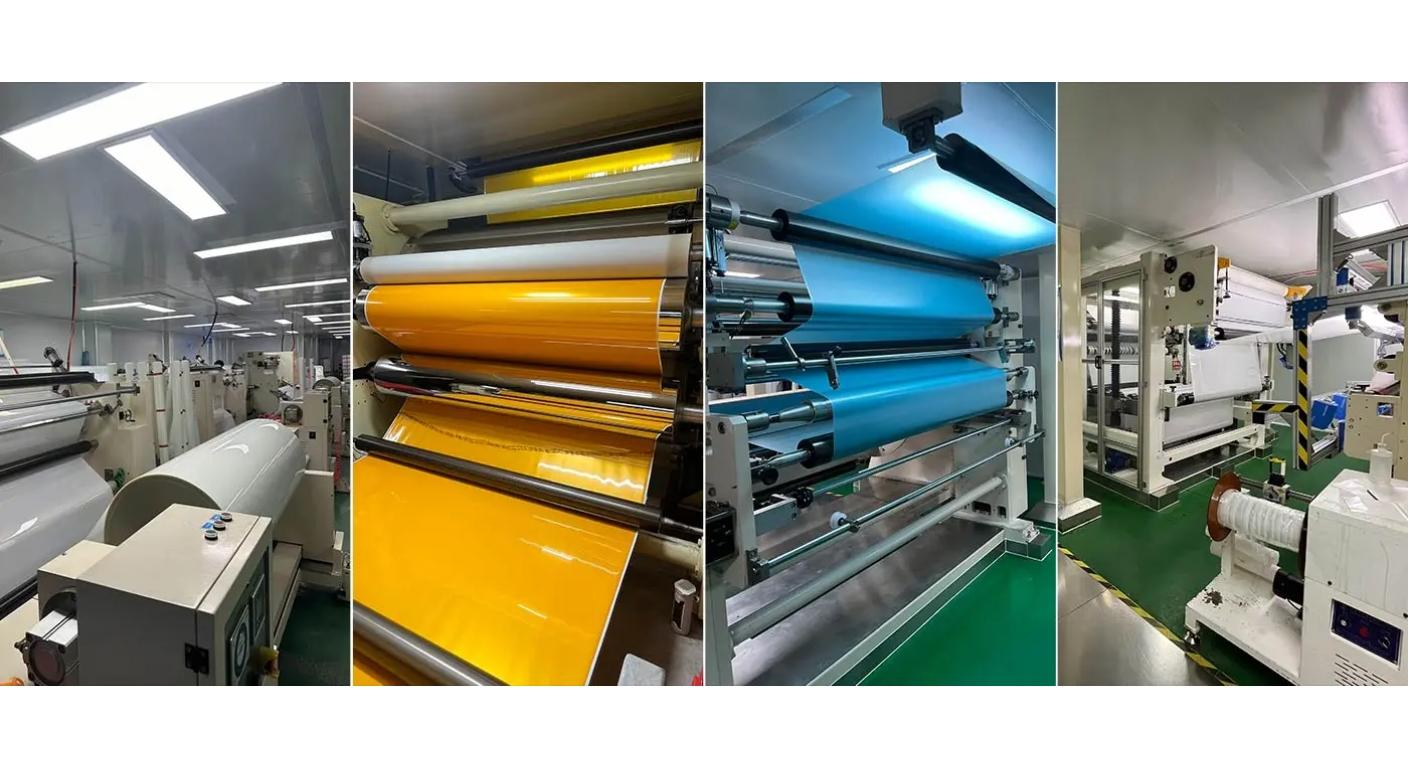
Paint Protection Film for Cars: Match Your Coverage to Everyday Driving
November 9, 2026


There's a possibility that the first stone chip may come into a new car much before the first service. However, for owners that intend to maintain their paint's appearance, as well as protect it, it is not just a matter of whether protection is beneficial or not; it is where protection is needed most and what should be included in a sensible installation.
Car Paint Protection Film is a replaceable film that covers painted panels. If it is chosen correctly there should be no problems as you are aiming for the coverage to match your driving, the exact film specification and agree to workmanship before you install it. This guide is meant to help with those decisions but not every car is considered a full body project.
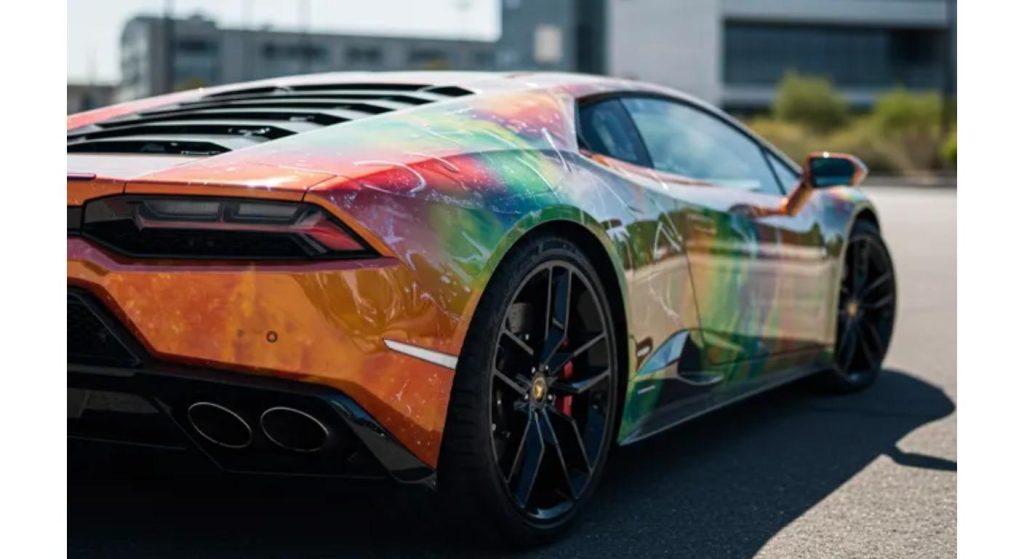
Begin with the Actual Damage to Your Car
Analyze driving habits prior to selecting a plan. Road debris can become a problem frequently traveled motorways can wear down the front bumper, hood and mirror caps. There are other concerns with urban use, such as contact around door cups, loading of luggage and tight parking.
Look at your current car and/or pictures of the car you used to own and find any damage that you see on many of them. Those marks provide an indication of areas in which protection may be required. A car that is used for work on the motorway every day and a weekend car with low mileage may require different coverage although they may be the same purchase.
HEY FILM's paint protection film products feature transparent TPU films designed to protect painted surfaces and maintain their appearance. Use this category as a foundation and then ask yourself what sort of product and coverage is best for your automobile.
Know the positive and negative impact of movies
PPF holds up part of the abrasion and little hits which would normally get to the paint. It is made of flexible thermoplastic polyurethane, which conforms to the body shape, and has exposed coatings which provide the different properties including surface texture, water effects and scratch resistance.
Protection has limits. The film can be pierced by a penetrating object or by using a great deal of force or a severe cut. PPF is not for dents, cannot fix broken paint, nor is it for a vehicle that will require no maintenance. If not addressed prior to installation, the existing chips will not be removed.
Heat-assisted self-healing is about surface marks on these surfaces in a suitable coating. Does not replace lost media or fix scratches in between the film. Request the installer to show you how the product you have chosen will respond to a sample and don't take it for granted that any scratches you see will be covered up.
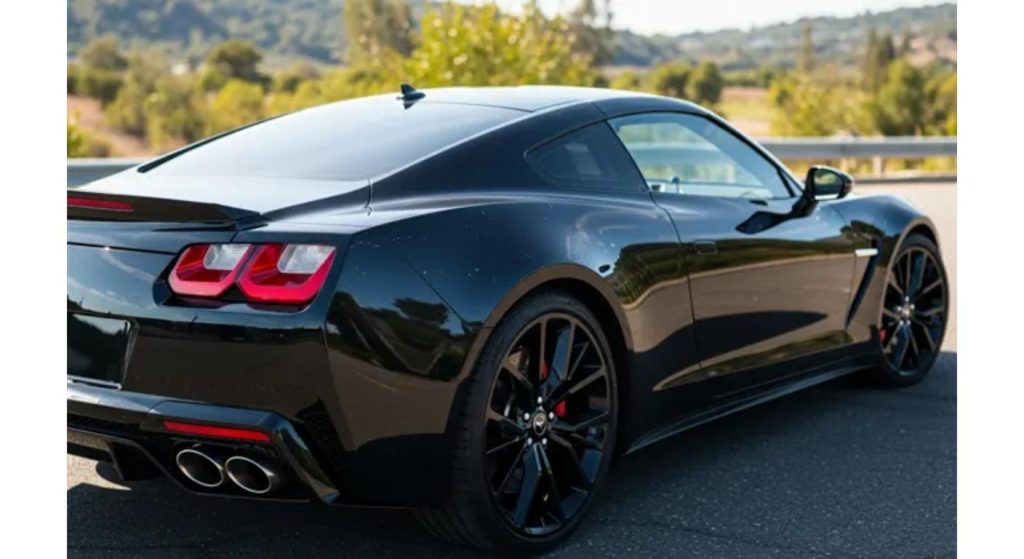
Coverage Before Comparing Prices
A lower price quote might include fewer panels or not come with the same edges covered. Make sure to do a written comparison to determine which offer is better value. A partial hood, a complete hood and a complete front-end package are three different material jobs.
If you are traveling on the motorway frequently, talk about the bumper, full hood, front fenders and mirror caps in tandem. For other routines, specific protection of the areas that are handled and loaded frequently may be warranted. These are not "universal package definitions," but "start points for assessment.
When surface protection throughout the vehicle is a concern, full-body coverage comes into play. However, when adding panels, additional preparations, material and installation work will be added. Pay priority to the areas which sustain damage regularly and then consider whether or not there is a need for wider coverage that is in line with car usage and maintenance.
Choose the Finish and Coating that suits your needs.
Clear gloss film is ideal for those who want to keep their original paint colour and retain the glossy look. Inspect sample physically on vehicle, for clarity, surface texture, reflection across curves etc. (During daylight and workshop lighting).
When easy routine cleaning is a priority, take a look at HEY FILM hydrophobic paint protection film U7. On its product page it states that it has a hydrophobic smart coating. It's not something to take for granted with all PPF options, that's a model-specific feature to check.
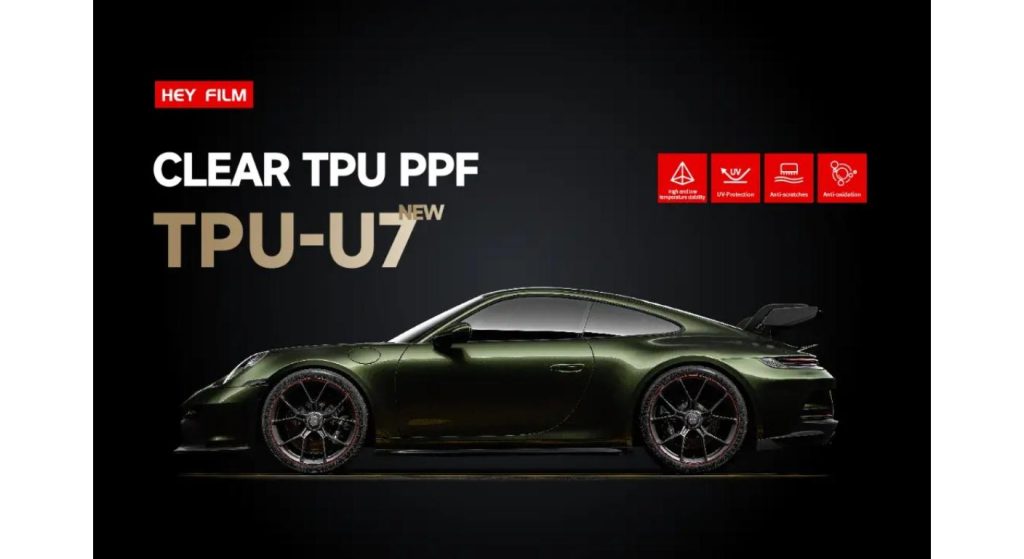
If the finish is different, then it is a different decision. HEY FILM's MS8-Satin paint protection film results in a softer, lower gloss finish. Always approve a sample first as adjacent panels may then reflect light differently, particularly if only part of a shiny car is to be protected.
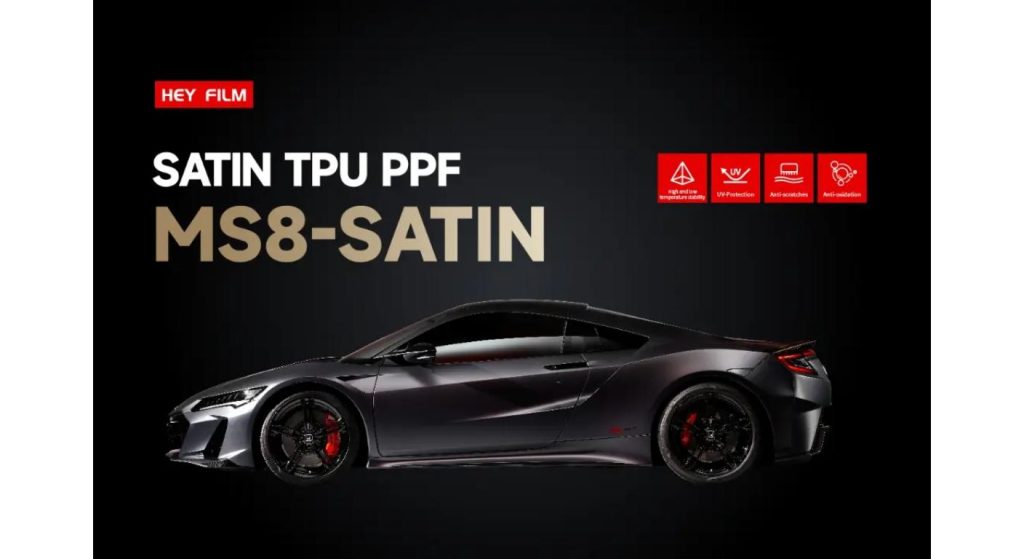
Another factor is thickness, but it shouldn't be the only factor to consider when making a purchase. The coat, transparency, bonding and adapting to the shape of the car are also a factor. Request the actual model name to allow the quotation, sample and supplied material to be cross checked.
Inspect paint condition and installation planning
No amount of cleanliness will make up for inappropriate paint below. Let the installer know if the vehicle has been repainted or recently repaired or experiencing clear coat problems or previous clear coat removal. Get problem spots checked prior to installation of a well, and prior to any expectations for future removal.
Careful cleaning and removal of bonded contamination by appropriate techniques should be included as part of the preparation. Talk about the possible need for paint correction and the effect this can have. Film should not be used as a means of camouflaging undiagnosed faults.
HEY FILM's PPF is a wet application product. Controlled positioning and squeegee work in the installation process helps to control the application solution under the film. Inquire about the methods used to join and trim edges and corners, as well as how the installer will deal with tricky shapes, such as near-paint trimming.
There is a need to single out wide panels. The width of the oversized hood PPF of HEY FILM is 183 cm. This can be useful with larger hoods, but the installer should measure the panel and take into account the curves and edge finishes before guaranteeing a single piece cover.
Assess the Handover and Ownership Costs
Useful lighting to check finished vehicle with the installer. Check out panel coverage, exposed joints, edge finishing and follow-up. Inquire about any temporary moisture changes that might occur and what faults require fixing when they occur; get a review date if needed.
Ask for written instructions on the first settling period, first wash and cleaning products that are compatible. Use the instructions of the installed film, not a 'standard waiting time'. Cleaning in a gentle manner and prompt removal of contaminants are important even if the surface is hydrophobic.
Explain the warranty prior to payment. Determine claims person, product recorded, exclusions and inclusion of labour for installation. Retain the invoice and any records of the installation and inquire what would be done in the event of a damaged panel. Warranty only does not factor for cost of ownership.
| Record to Keep | Useful When |
| Film model and batch reference | Checking material traceability |
| Installation date and invoice | Submitting a warranty enquiry |
| Dated handover photographs | Comparing later surface changes |
| Installer’s care instructions | Selecting cleaning methods |
| Panel replacement quotation | Budgeting after accidental damage |
Conclusion
A realistic assessment of exposure, paint condition and vehicle ownership priorities begins with the right car paint protection film. Agree coverage first, approve finish and inspect detail of installation with film specification. Having a project well-documented makes it easier to make the initial decision and for future maintenance.
FAQs
Q1. Do we need full-body PPF for all cars?
No, you may want to consider targeted coverage instead, which might be right for you depending on your driving and budget. Check exposed areas to compare before expanding protection to entire vehicle.
Q2. Is PPF effective to fix existing stone chips in the paint?
No, because they are still present under the new layer of chips. Talk about appropriate repairs prior to the film application.
Q3. Do all PPF surfaces have a hydrophobic surface?
Coating behaviour can differ, No. HEY FILM points out. Look at the specification of the exact product being quoted!
Q4. Do self-healing scratches take care of deep scratches?
No. Covers appropriate light surface markings. Cuts and punctures as well as missing film material need to be evaluated and remedied as necessary.
Q5. Is it safe to remove the PPF from repainted panels?
The results are dependent upon level of paint adhesion and paint condition. Tell in advance if it needs to be repainted, and have professional assessment of removal instead of taking risks.