




Hot Tags
Tinted Paint Protection Film: Color Enhancement with Real Paint Protection
September 9, 2026


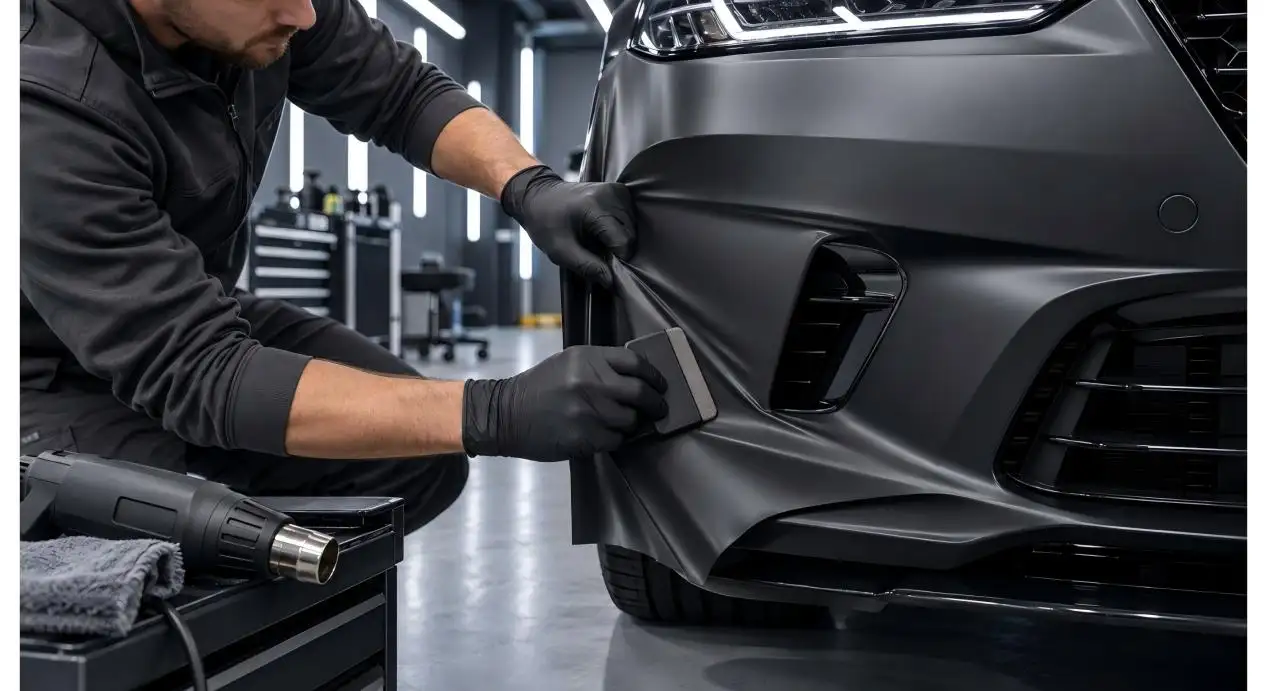
Tinted Paint Protection Film offers vehicle owners something traditional protection products cannot provide: a stylish color change and paint protection in one application. The film may add subtle depth to the factory paint or create a translucent new color and finish.
Tinted PPF should be chosen for more than color alone. TPU quality, topcoat performance, adhesive stability, finish, installation, and long-term removability all influence the final result.
What Is Tinted Paint Protection Film?
Tinted paint protection film is a urethane film containing a tint or visual-effect layer. Although it is often classified under the broader term "colored PPF," tinted PPF more commonly refers to translucent films that allow some of the original paint color to remain visible.
Like traditional paint protection film, it creates a physical barrier between the paint and road contaminants. Unlike clear PPF, it also changes the vehicle's color depth, tone, gloss, or texture.
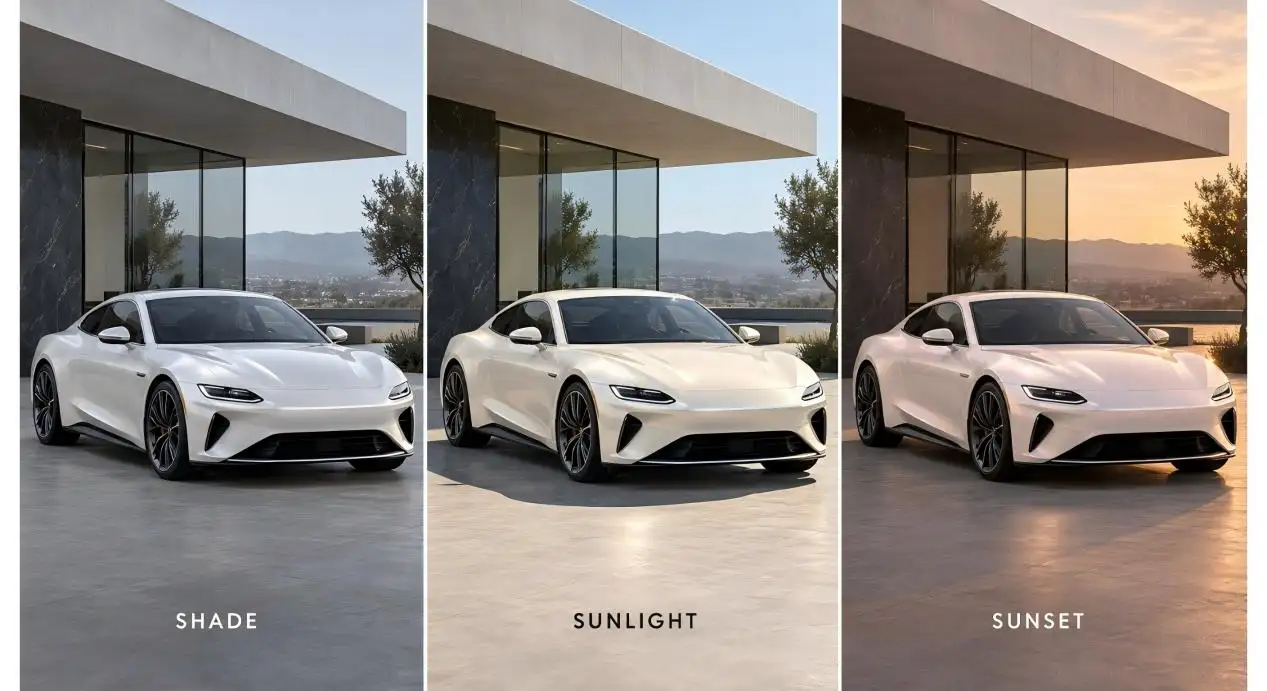
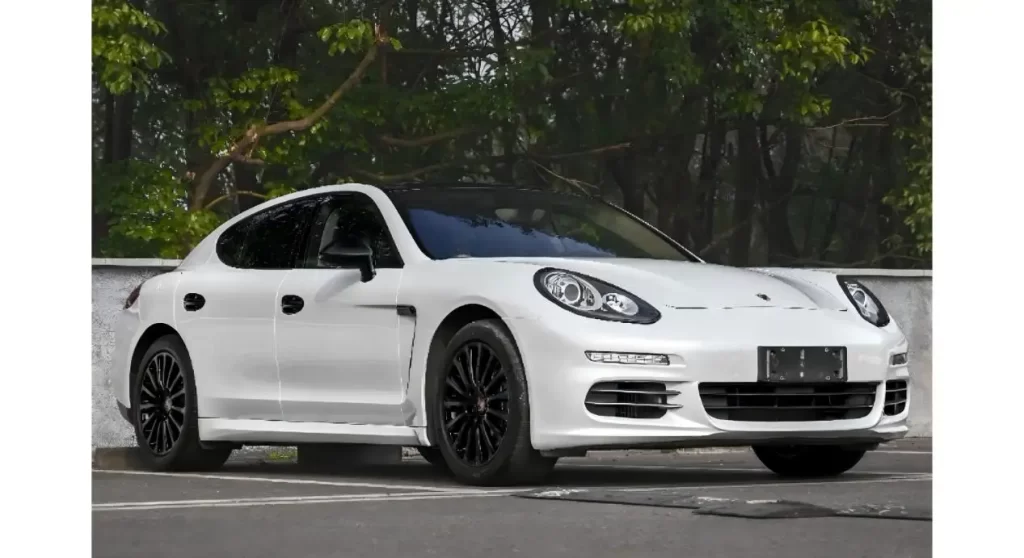
The final appearance depends on both the vehicle's base color and the selected film. For example, the same translucent grey film can look very different over white, silver, blue, or black paint.
Tinted PPF vs. Clear PPF: Why Choose Tinted Film?
Clear PPF is suitable when the priority is preserving the factory appearance. Tinted PPF is better suited to owners who want protection together with greater visual interest.
A high-quality tinted TPU film can provide:
- Resistance to stone chips and minor abrasions
- Heat-assisted healing of light surface marks
- Protection against insects, stains, and weather exposure
- Gloss, satin, matte, or special-effect finishes
- A removable alternative to permanent repainting
- A more visible styling effect than clear protective film
Tinted PPF is particularly useful for drivers who want a more noticeable result than clear film while retaining more protective performance than a conventional color wrap.
Tinted PPF vs. Vinyl Wrap
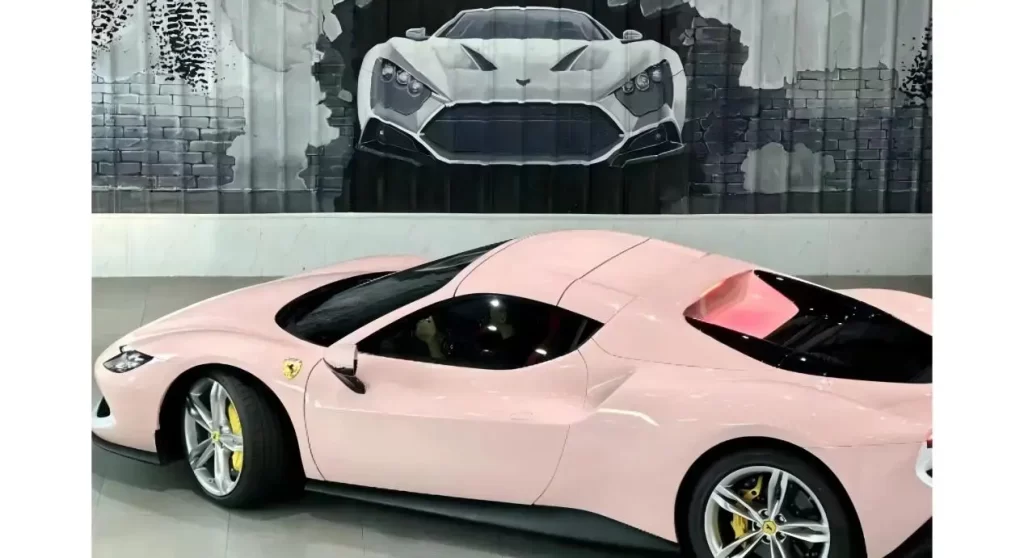
Both materials can transform a vehicle's appearance, but they serve different priorities. A typical vinyl wrap is mainly a styling product. It offers a wide range of colors and textures but is generally thinner and less resistant to impact.
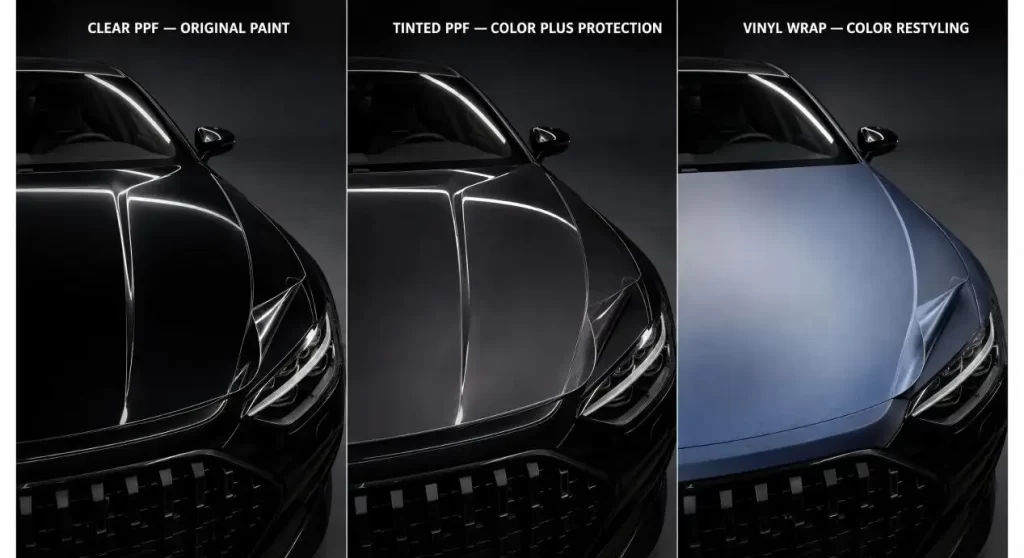
Tinted PPF uses a thicker, more elastic TPU construction. With a protective topcoat, it can offer better stain resistance, recovery from light surface damage, and durability under normal road exposure.
Vinyl is suitable for temporary branding, graphics, and more affordable custom printing. Tinted PPF is preferable when the owner wants a premium appearance together with enhanced paint preservation.
| Film Type | Primary Purpose | Color Change | Impact Protection |
| Clear PPF | Preserve original paint | No | High |
| Tinted PPF | Change tone and protect paint | Moderate | High |
| Colored PPF | Full color transformation | High | High |
| Vinyl wrap | Flexible visual restyling | High | Limited |
How Film Construction Affects Performance
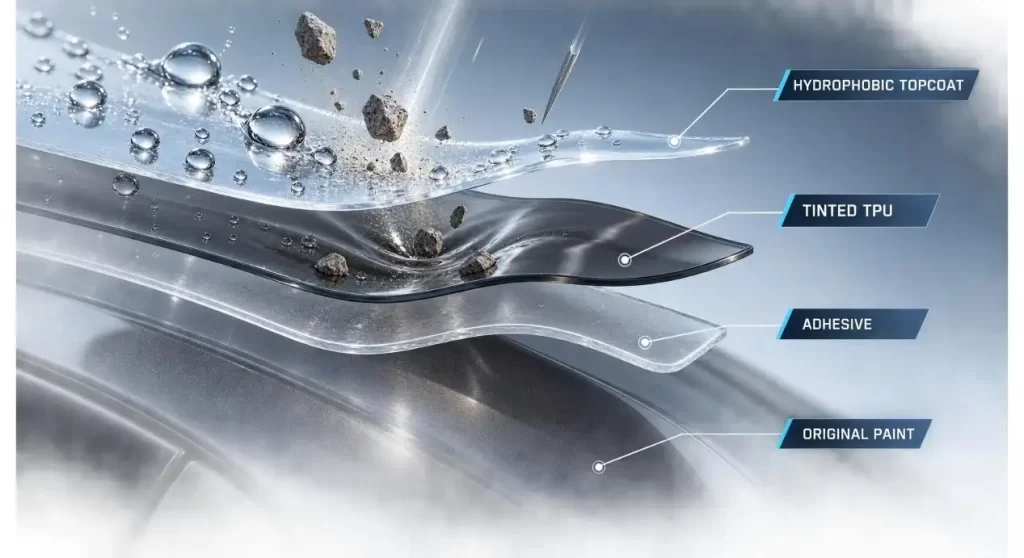
Tinted PPF is not simply a tinted sheet; it is a complete multilayer product. A typical film consists of a protective topcoat, colored or tinted TPU, pressure-sensitive adhesive, and a release liner.
The topcoat influences gloss, hydrophobic performance, stain resistance, and self-healing. The TPU layer must provide elasticity and impact absorption, while the adhesive must hold securely and remain workable during installation.
Ask the supplier or installer to identify the TPU type, total thickness, topcoat technology, UV-aging performance, elongation, peel strength, and warranty coverage. Product names without measurable specifications are not enough for a meaningful comparison.
Select the Color Based on the Vehicle's Base Paint
Opaque colored PPF creates a more uniform color change because it covers most of the factory color. Translucent tinted PPF enhances the depth of the original paint, but its final tone is less predictable.
Before a full installation:
- View a real film sample in daylight
- Test the sample on the actual vehicle panel
- Compare the appearance in shaded and sunny conditions
- Inspect curved panels from several viewing angles
- Check how the finish coordinates with unwrapped trim
HEY FILM's colored PPF application cases provide useful visual comparisons of colors and finishes on completed vehicles.
Full-Body or Partial Installation?
A full-body installation provides uniform color and protection across all painted panels. It is usually the better choice when the film is clearly visible and significantly changes the vehicle's appearance.
Partial applications can protect high-impact areas such as the hood, front bumper, fenders, mirrors, and rocker panels. However, darker tints may create an obvious contrast between covered and uncovered panels. Partial coverage works best with subtle shades that complement the factory color.
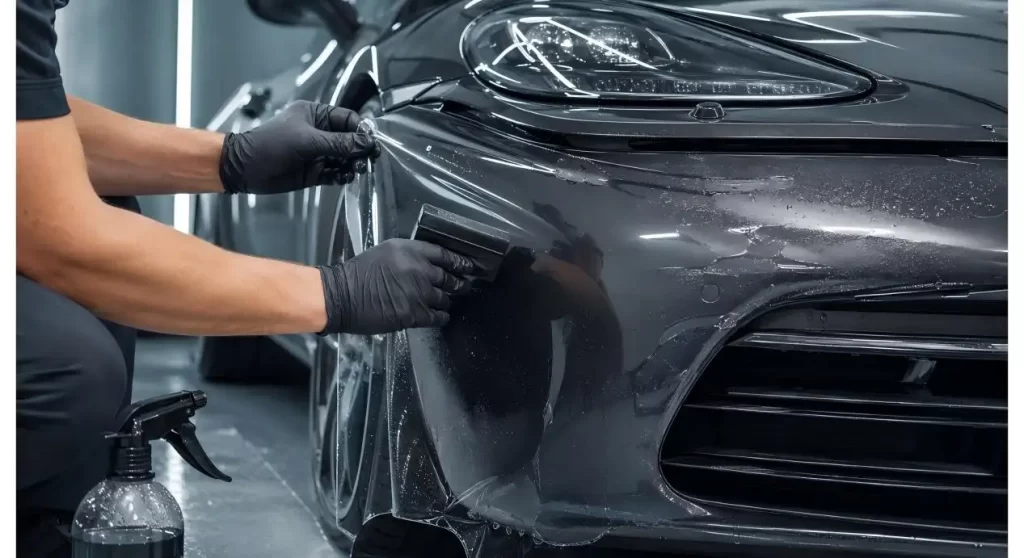
Edges should be wrapped wherever practical, and excessive stretching over complex panels should be avoided. Overstretching can reduce color consistency and weaken the protective layer.
Durability Depends on More Than the Warranty
Warranty length is important, but it is not the only measure of durability. Sun exposure, climate, road contamination, washing methods, film construction, and installation quality all affect service life. Darker films may absorb more surface heat, while lighter shades may reveal staining or discoloration sooner.
Wash the vehicle with a pH-neutral cleaner, remove bird droppings and insects promptly, and avoid abrasive polishing. HEY FILM's colored PPF lifespan guide provides further information about UV aging and maintenance.
Is Tinted PPF the Best Option for You?
Choose tinted PPF if you want to enhance or change the vehicle's color while retaining the protective benefits of TPU film. Clear PPF remains the best choice for preserving a factory or rare original finish, while vinyl remains suitable for temporary or highly graphic designs.
Before ordering, request a physical sample, technical data, warranty terms, and an installation assessment. Contact HEY FILM for product-selection guidance, custom colors, or commercial supply requirements.
| Sample Test | What to Observe | Possible Problem |
| Sunlight viewing | Natural color and depth | Unexpected color shift |
| Curved-panel stretch | Consistent tint | Whitening or fading |
| Edge folding | Stable adhesion | Edge lifting |
| Water test | Even water beading | Patchy coating |
| Batch comparison | Matching color | Visible batch variation |
FAQ
Q1. What is the difference between tinted PPF and colored PPF?
Tinted PPF is generally considered a type of colored PPF. A tinted film is often translucent, while colored PPF may be either translucent or fully opaque.
Q2. Can scratches in tinted PPF be repaired?
High-quality tinted TPU can heal light surface scratches when exposed to sunlight, warm water, or controlled heat. Deep cuts and punctures will not self-heal.
Q3. Does the original paint affect the final color?
Yes. Translucent films interact with the base paint and can look different on different vehicles. Always test a sample on the actual panel before installation.
Q4. Can tinted PPF be removed?
Quality PPF is designed for professional removal. It should be removed slowly and carefully, particularly after prolonged use, with controlled heat and appropriate techniques when necessary.
Q5. Does tinted PPF prevent all damage?
No. It helps reduce damage from minor impacts, scratches, stains, and road debris, but it cannot prevent dents or damage caused by severe collisions.