




Hot Tags
Car Exterior Decorative Film: A Practical Guide to Custom Vehicle Styling
September 10, 2026


A full vehicle repaint is no longer the only way to change a vehicle's identity. Car exterior decorative film can introduce a new color, style selected body panels, add a distinctive texture, or transform a commercial vehicle into mobile advertising.
The decision is not only about which color looks best. The film must suit the surface, intended service life, outdoor conditions, design requirements, and desired level of paint protection.
| Design Check | Why It Matters | Recommended Action |
| Existing paint color | May remain visible at gaps | Choose compatible colors |
| Body shape | Changes graphic proportions | Preview on a vehicle template |
| Panel direction | Affects texture consistency | Mark installation direction |
| Door and sensor areas | Interrupts large graphics | Adjust artwork placement |
| Replacement needs | Panels may be damaged later | Retain matching film material |
What Is Car Exterior Decorative Film?
Car exterior decorative film is an umbrella term for adhesive materials used to change the appearance of painted vehicle surfaces. It can include solid-color vinyl, printed graphics, metallic finishes, carbon-style textures, stripes, or colored protective film.
Unlike films used on walls, furniture, or interior panels, automotive exterior film must withstand sunlight, weather, temperature changes, washing, vibration, and curved bodywork. Its adhesive system must conform securely to the vehicle without permanently bonding to sound factory paint.
HEY FILM automotive vinyl wrap is available in a wide range of colors and finishes for exterior applications on both flat and curved vehicle surfaces.
Begin with the Area You Want to Change
The first step in choosing the right film is defining the scale of the design.
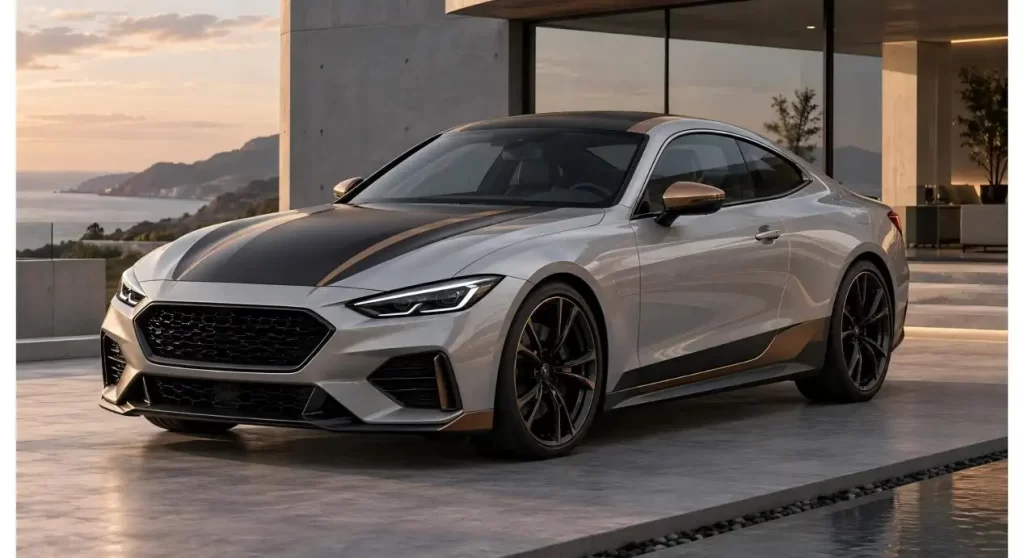
A full wrap can create a completely different color, finish, or visual identity. A partial wrap covers selected areas such as the roof, hood, pillars, mirrors, side skirts, and trim. Decals and graphics are better suited to logos, racing stripes, promotional messages, and fleet identification.
Partial projects can make a strong impact while using less material, but each accent should follow the vehicle's body lines. A roof wrap can visually lower the vehicle's profile, while contrasting mirror caps or lower-body sections can create a sportier appearance.
Select the Right Film for Its Intended Use
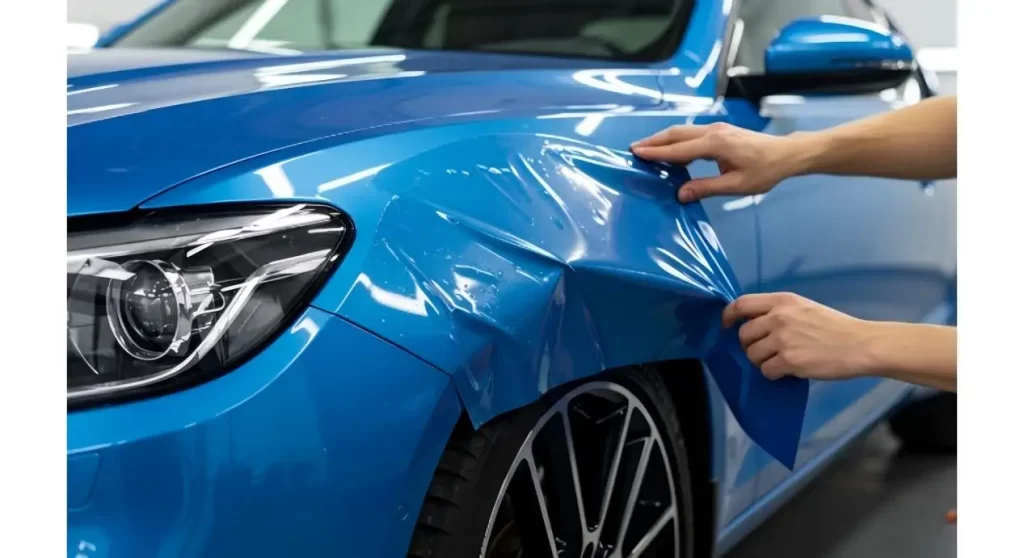
Not all decorative films offer the same level of protection. Vinyl is primarily used for styling, affordability, printing, and color changes. It provides limited protection from environmental exposure and light scratches, but it does not absorb impacts as effectively as thicker TPU film.
If protection from gravel, road debris, and larger abrasions is the priority, paint protection film is the better choice. Colored PPF combines a visible exterior change with the flexibility and protective performance of TPU.
This distinction is especially important for high-impact areas such as the front bumper, hood, rocker panels, and lower body. Selecting the correct material for each zone creates a more durable exterior package.
Match the Finish to the Vehicle's Shape
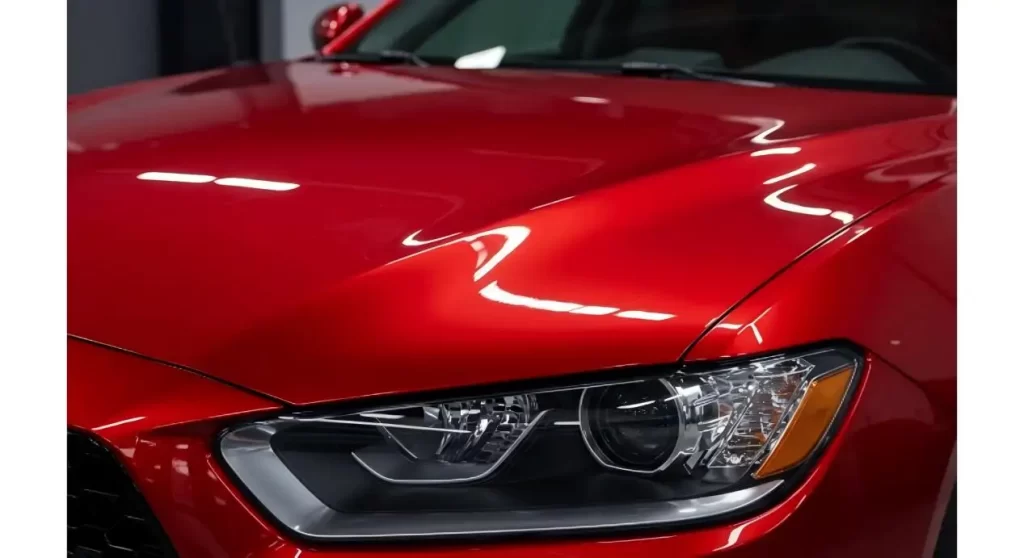
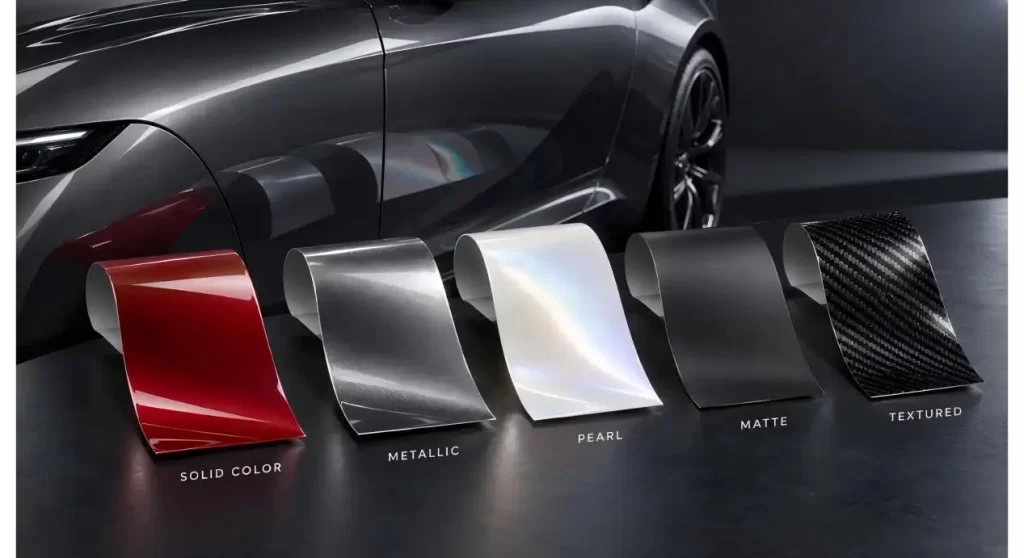
Gloss film reflects surrounding light and generally produces the closest appearance to paint. Satin reduces reflections while preserving body contours. Matte creates a more technical appearance but requires even maintenance to prevent inconsistent sheen.
Metallic and pearlescent finishes appear more dynamic from different viewing angles. Carbon-style or brushed textures usually work best as intentional accents rather than full-panel finishes across the entire vehicle.
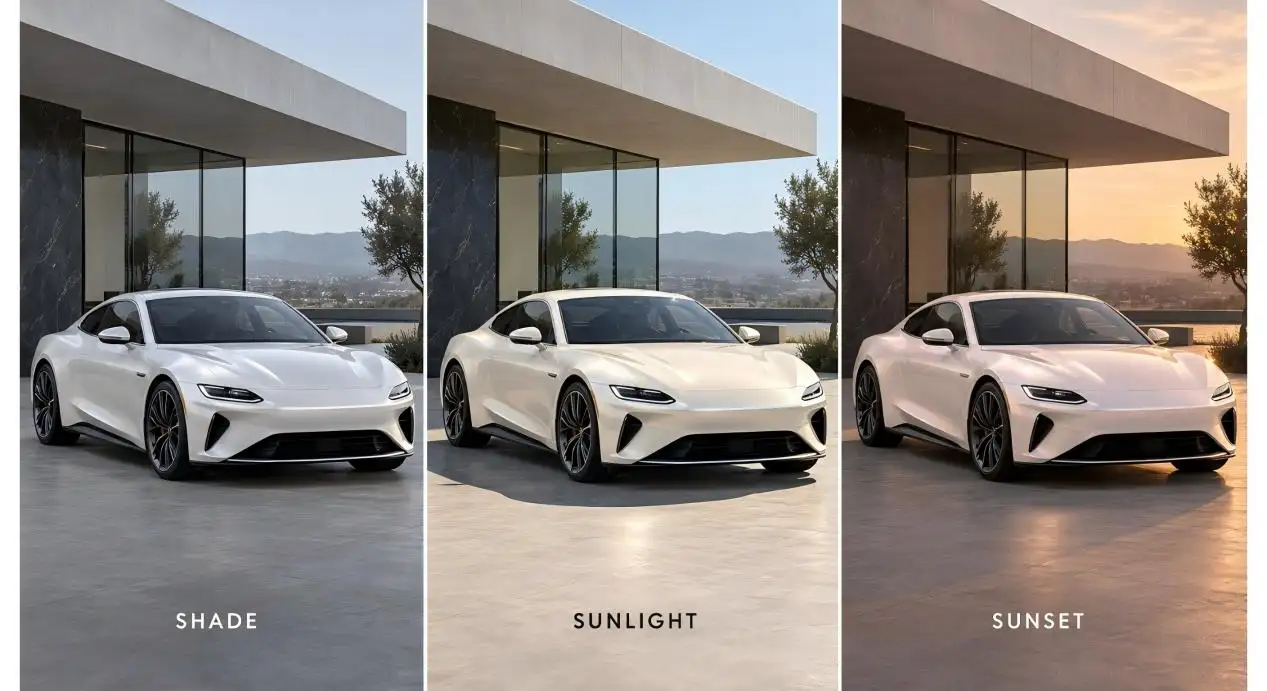
Test a physical sample on the vehicle in sunlight, shade, and indoor lighting before making a decision. Online colors may vary because of screen settings, camera exposure, base paint, and panel curvature.
Complete the Design Before Installation
The exterior design should be finalized before the installer cuts or stretches the material. Digital mockups make it easier to compare color balance, accent placement, graphic scale, and visibility from multiple angles.
Key design considerations include:
- Whether panel divisions align with the vehicle's body lines
- Whether logos remain readable across curves and doors
- Seam placement in less-visible areas
- Continued operation of sensors, cameras, and badges
- The feasibility of producing replacement panels later
Commercial vehicles also require consistent color references and archived artwork. This allows a damaged door or bumper graphic to be reproduced without redesigning the entire vehicle.
Installation Quality Controls the Final Appearance
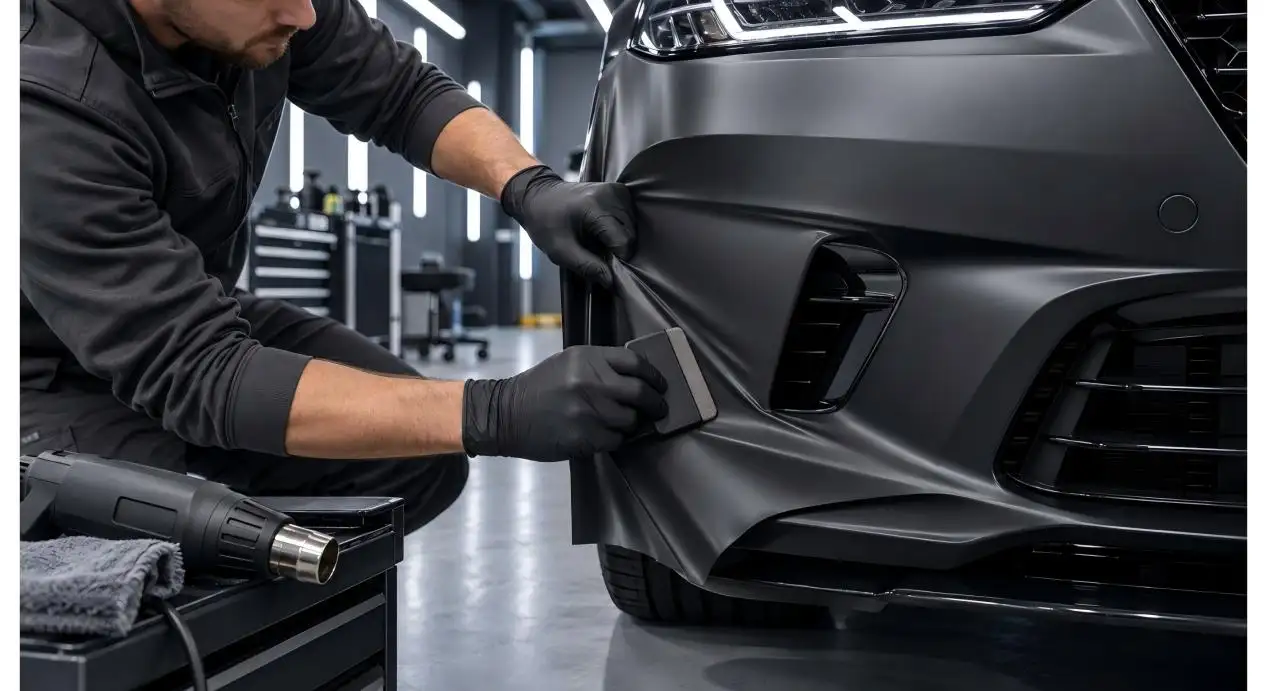
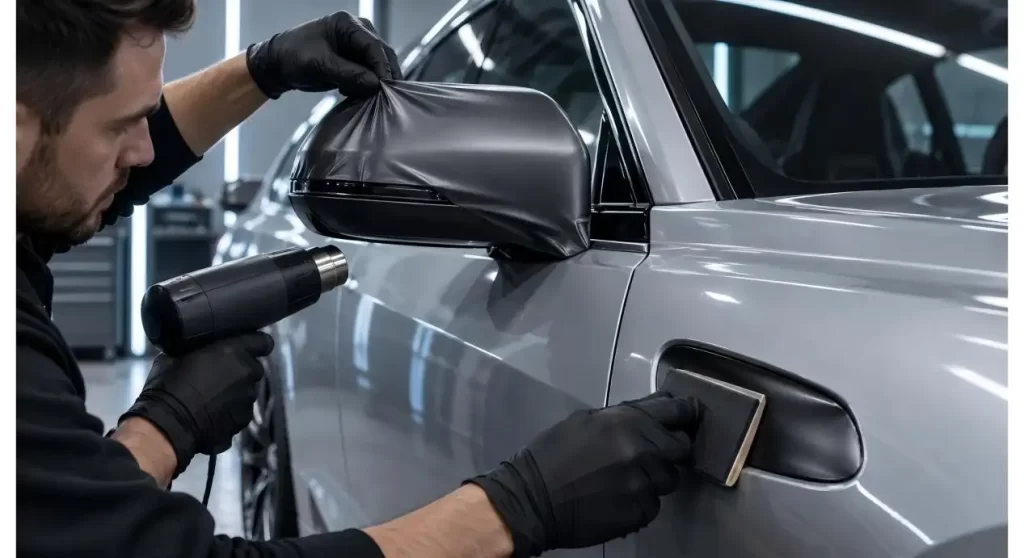
Automotive film should be installed on clean, properly prepared paint in a controlled environment. Wax, oil, dust, tar, and old adhesive can weaken the bond or remain visible beneath the film.
Professional installers use heat and controlled tension to conform the film around curves. Overstretching can cause color distortion, reduced adhesion, or lifted edges. Deep recesses, sharp contours, and repainted panels require particular care.
Reviewing completed vehicle wraps and colored PPF cases can help establish realistic expectations for finish quality and design execution.
Exterior Film Is Removable, but Paint Condition Matters
High-quality automotive film can typically be removed without damaging sound factory paint. However, failing aftermarket paint, corrosion, damaged panels, or existing clear-coat failure may lift during removal.
The installer should inspect the body before application and record existing defects. Proper heat, temperature, angle, and technique are also important during removal; pulling too quickly can leave adhesive residue or place unnecessary stress on the paint.
| Coverage Option | Suitable For | Design Effect |
| Full vehicle | Complete color transformation | Strongest visual change |
| Roof and pillars | Two-tone styling | More defined upper profile |
| Hood and trunk | Performance-inspired design | Strong front-to-rear line |
| Mirrors and trim | Subtle personalization | Small contrasting accents |
| Commercial graphics | Business vehicles | Mobile brand visibility |
Care and Replacement
Clean wrapped surfaces with a mild, pH-neutral cleaner and a soft wash mitt. Avoid directing high-pressure water at exposed edges, and do not use stiff brushes, abrasive compounds, or aggressive solvents.
Remove bird droppings, fuel spills, insects, and tree sap promptly. Replace affected sections if persistent discoloration, cracking, lifted edges, or adhesive failure appears. Film is generally easier to remove at the end of its recommended service life than after excessive outdoor aging.
Build a Complete Exterior Styling Package
Exterior decorative film can be combined with window film, clear PPF, or colored PPF, provided each material serves a defined purpose. For example, vinyl graphics can brand a door, while clear PPF protects the front impact zone.
For greater paint protection, review HEY FILM's colored PPF performance and longevity guide. Contact HEY FILM for custom colors, film samples, commercial supply, and OEM/ODM requirements.
FAQ
Q1. Is car exterior decorative film the same as vinyl wrap?
Vinyl wrap is the most common type of car exterior decorative film. The broader category can also include printed graphics, textured accents, and colored TPU paint protection film.
Q2. Can decorative film be applied over damaged paint?
Film may conceal minor cosmetic flaws, but it cannot correct peeling clear coat, rust, dents, or unstable paint. These problems should be repaired before installation.
Q3. Can only part of the vehicle be decorated?
Yes. Common partial applications include the roof, hood, mirrors, stripes, and lower-body accents. The design should follow the vehicle's body lines for a cohesive appearance.
Q4. How long does automotive exterior film last?
Service life depends on material quality, climate, installation, maintenance, and exposure. Horizontal surfaces often age faster because they receive more direct sunlight.
Q5. Can exterior film be used on commercial vehicles?
Yes. Printable films can display logos, contact details, and campaign graphics without permanently altering the original paint. Archive the artwork and color references for future repairs.