




Hot Tags
Matte Car Decorative Film: Choosing, Installing and Maintaining a Perfect Finish
September 11, 2026


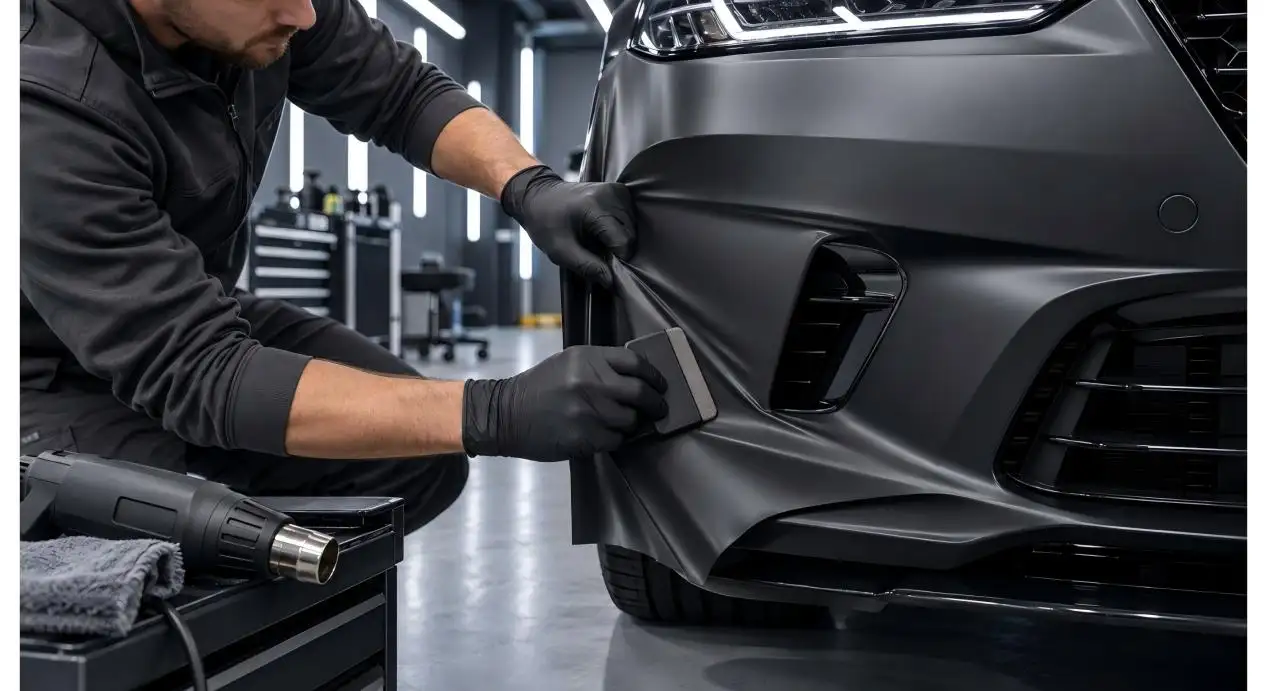
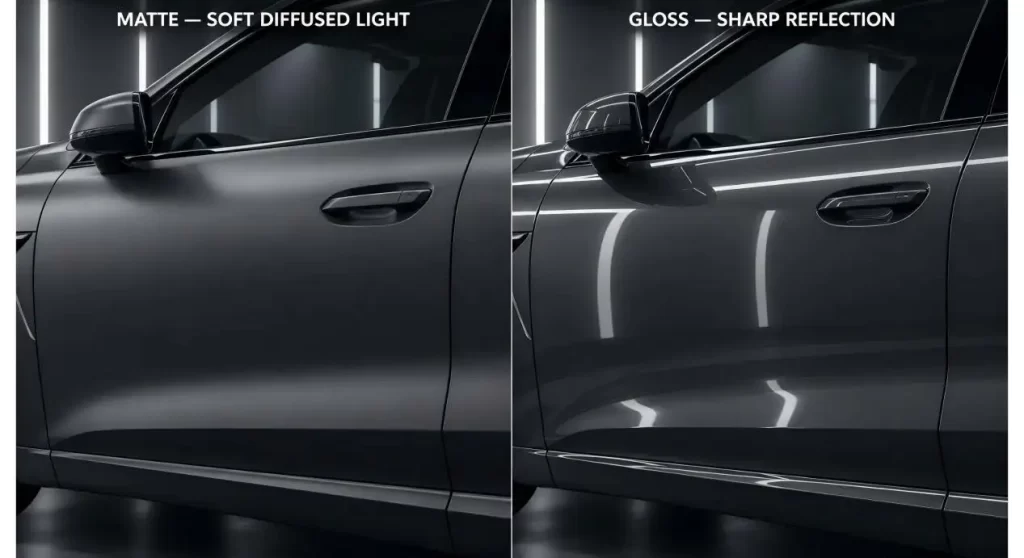
Glossy paint reflects highlights sharply. Matte car decorative film creates the opposite effect by diffusing reflected light and giving the vehicle a controlled, understated appearance. It can soften the body lines of aggressive cars, add an architectural quality to simpler shapes, and distinguish a vehicle without relying on bright colors.
Matte film is less forgiving than it appears. Differences in material, texture, stretching, cleaning, or panel direction can create visible variations. Choosing the right film therefore involves more than selecting an attractive color.
What Creates a Matte Finish?
A matte surface has a micro-textured finish that diffuses reflected light instead of producing a sharp reflection. Satin film sits between matte and gloss, with a soft sheen that makes curves easier to see.
The final effect depends on:
- Surface texture and coating formulation
- Film color and transparency
- Vehicle design and panel direction
- Natural and artificial lighting
- Installation quality and film orientation
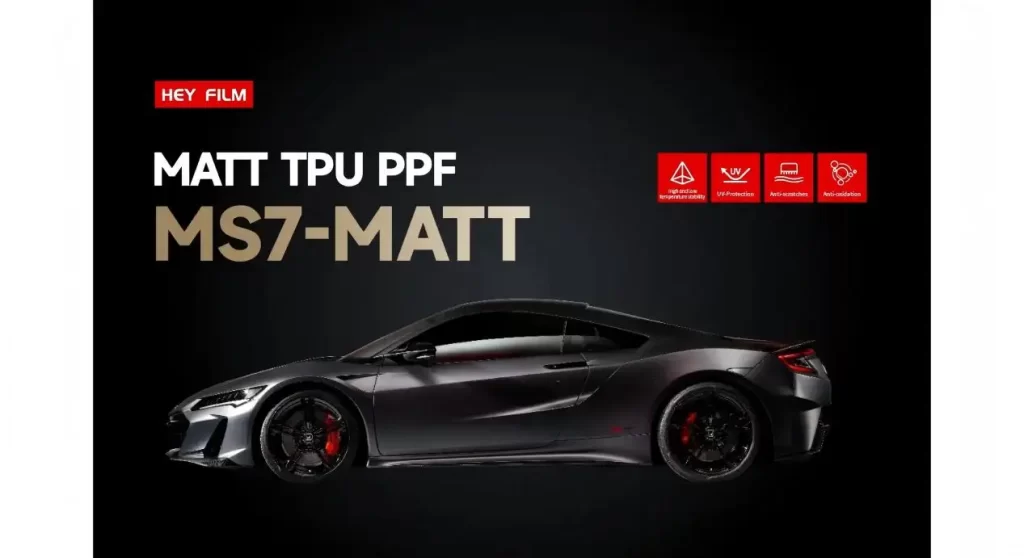
Black can create a stealthy appearance, while grey, sand, green, and muted metallic shades often feel more refined. HEY FILM's introduction to current matte colored PPF trends demonstrates finishes ranging from neutral low-sheen colors to color-shifting effects.
Matte Vinyl or Matte TPU PPF?
Matte vinyl and matte PPF can create a similar low-reflection appearance, but they serve different priorities.
Matte automotive vinyl wrap is generally selected for affordability, a wide range of colors and graphics, and the flexibility of a temporary installation. It offers some resistance to light wear but is normally thinner than TPU paint protection film.
Matte TPU PPF is intended for owners who want a low-reflectivity look together with greater protection from road debris, stone chips, stains, and scratches. Its thicker elastic TPU layer and protective topcoat make it more protective, but also more expensive and demanding to install.
The choice should be based on vehicle use, not appearance alone. Vinyl may be sufficient for a short-term color change or promotional vehicle, while matte PPF may be more appropriate for a regularly driven premium vehicle that needs greater surface protection.
Clear Matte PPF vs. Colored Matte PPF
Clear matte PPF can transform glossy factory paint into a satin or frozen finish while retaining much of the original color. It is useful when the owner likes the existing paint color but wants a lower-sheen appearance.
Colored matte PPF creates both a new color and a matte effect. It offers more customization but requires careful sample evaluation because texture, undertone, and light response may differ from a digital preview.
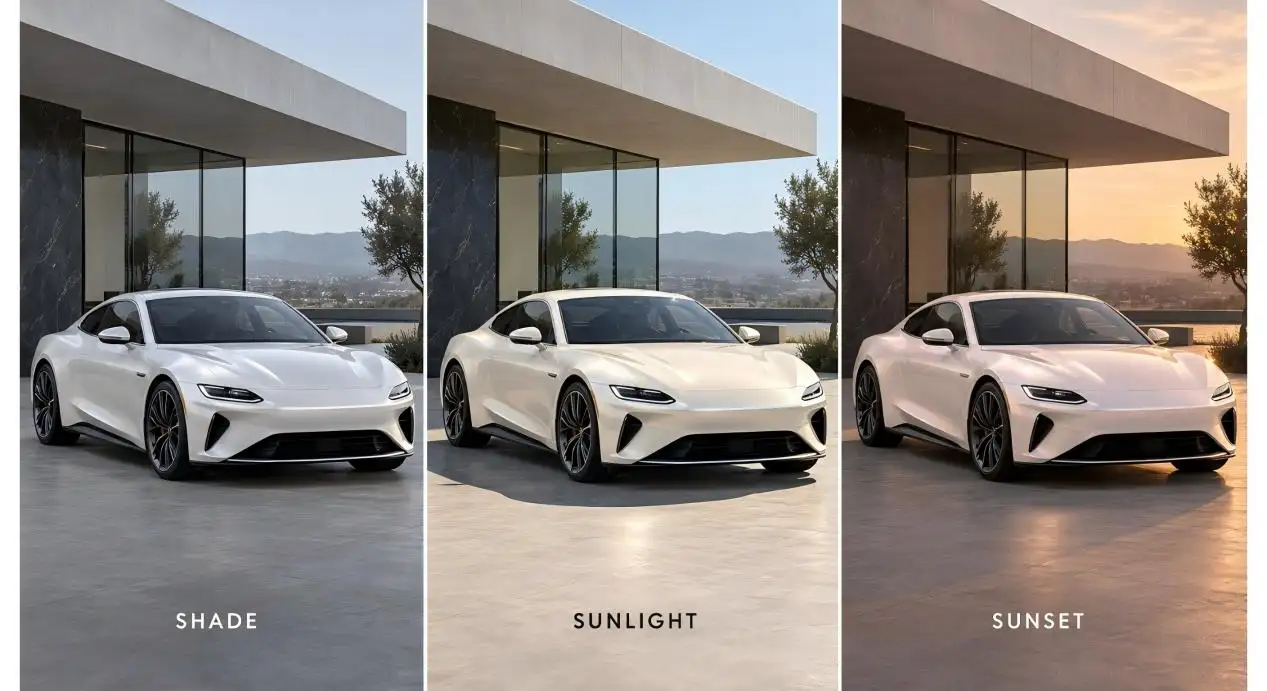
Test a physical sample before ordering a full roll. View it in sunlight, shade, and indoor lighting. Translucent films can be influenced by the original paint color, and glossy trim next to matte body panels can also change the perceived finish.
| Matte Color | Visual Character | Suitable Vehicle Style |
| Matte black | Stealth and performance | Sports cars and coupes |
| Matte grey | Modern and restrained | Sedans and EVs |
| Matte green | Rugged and distinctive | SUVs and off-road vehicles |
| Matte blue | Individual but balanced | Performance sedans |
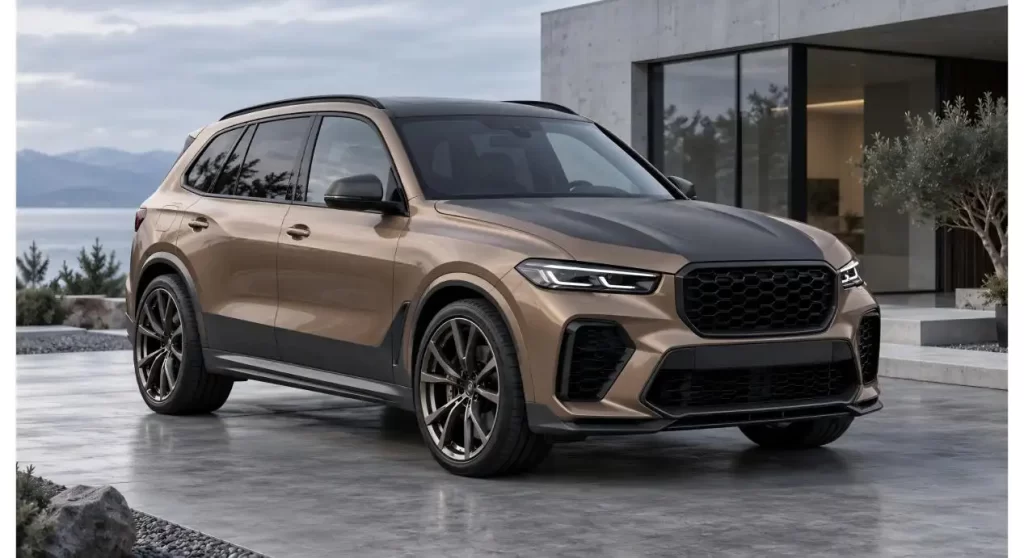
| Matte sand | Outdoor and premium | Large SUVs and trucks |
Why Uniform Texture Matters
A matte surface reveals installation defects differently from gloss film. Overstretching can flatten the texture and create a shinier area. Changes in film direction between adjacent panels can also cause inconsistent light response.
Professional installers should:
- Follow the manufacturer's film-direction requirements
- Limit stretching across the entire installation area
- Use templates when appropriate
- Avoid overheating textured topcoats
- Wrap edges consistently
- Use matching production batches for replacement sections
Even slight variations in sheen can become noticeable across the hood, doors, and quarter panels of a full vehicle wrap.
Protection Depends on Material Construction
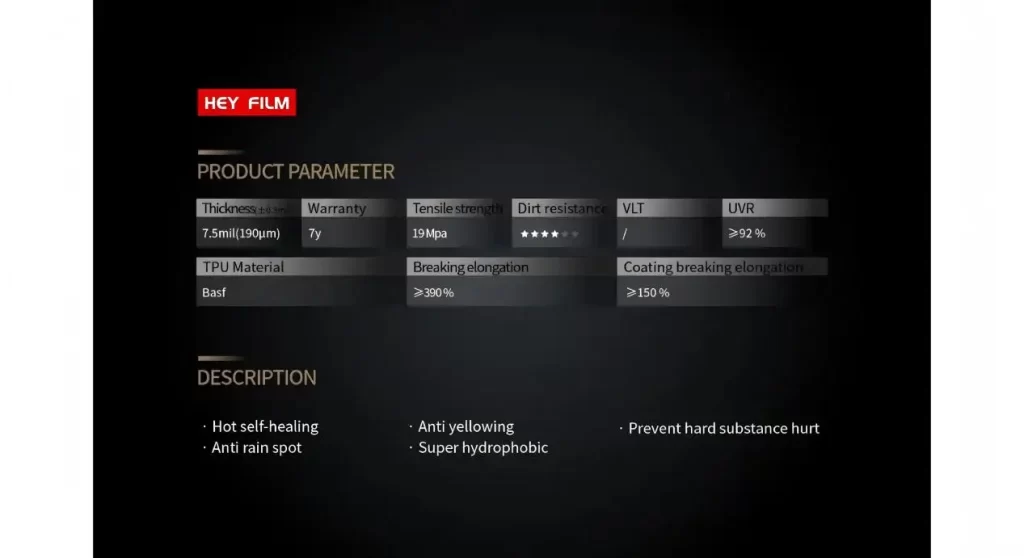
The term "decorative film" does not automatically mean the product provides impact protection. Buyers should verify the substrate type, thickness, topcoat, adhesive, elongation, tensile strength, hydrophobic performance, and warranty.
For example, HEY FILM's MS7-Matt PPF uses textured TPU designed to protect paint while creating a matte finish. This is fundamentally different from an indoor PVC film or a thin styling film.
Compare technical data instead of relying on claims such as "premium matte." HEY FILM's PPF and vinyl comparison provides further guidance on matching styling and protection requirements.
Contamination Appears Differently on Matte Film
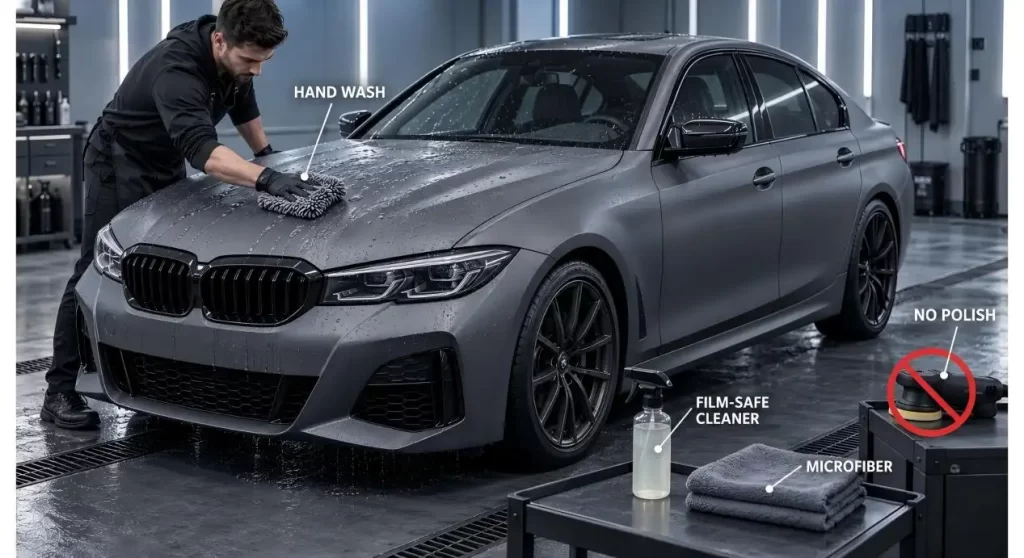
Some surface defects on gloss film can be corrected by polishing. Matte film generally cannot be polished because abrasion alters the micro-texture and can leave permanent shiny spots.
Remove oil, wax, bird droppings, fuel, insects, and hard-water deposits promptly. Use a pH-neutral cleaner, a soft wash mitt, clean microfiber towels, and products formulated for matte film.
Avoid conventional wax, polishing compounds, abrasive clay, oily dressings, and automatic brushes. When using a pressure washer, keep the nozzle away from exposed edges and seams.
Repairing Matte Film
Controlled heat can reduce light surface marks on some matte TPU films, but excessive heat may alter the texture. Always follow the film manufacturer's temperature recommendations.
A panel with a deep cut or permanent stain is usually best replaced. Matching the product code and batch number helps achieve a consistent result because the same nominal color may vary between production batches or after different periods of outdoor aging.
Does Matte Film Suit Your Car?
Choose matte film if you want a more understated appearance and are willing to follow a specific cleaning routine. It works particularly well on vehicles with strong creases, clean color blocking, dark trim, and clearly defined panel transitions.
A conventional gloss wrap or clear gloss PPF may be better if the owner wants easy polishing and maximum reflected gloss. Before ordering, review physical samples, technical specifications, installer experience, warranty coverage, and maintenance requirements.
Contact HEY FILM for film samples, distributor supply, custom colors, or OEM/ODM requirements.
| Maintenance Item | Recommended Method | Avoid |
| Routine washing | Mild film-safe shampoo | Harsh alkaline cleaner |
| Drying | Clean microfiber towel | Air-drying in hard water |
| Stain removal | Prompt spot cleaning | Aggressive scrubbing |
| Surface protection | Matte-approved product | Traditional wax |
| Finish correction | Professional assessment | Machine polishing |
FAQ
Q1. Is matte car film difficult to maintain?
It requires specific care, but not constant attention. Avoid wax, polish, abrasive chemicals, and products that leave an oily residue.
Q2. Can matte film be applied over glossy paint?
Yes. Properly prepared glossy paint can be transformed with matte vinyl or clear matte PPF without permanently repainting the vehicle.
Q3. Can matte film heal scratches?
Some matte TPU PPF can reduce light surface marks when gentle heat is applied. Deep cuts or permanently damaged texture usually require panel replacement.
Q4. Can matte film be polished to restore its finish?
No. Polishing can flatten the micro-texture and create an uneven shiny area that is difficult to blend.
Q5. Which is better: matte PPF or matte vinyl?
Matte PPF generally provides greater resistance to impacts and abrasion. Matte vinyl is typically more affordable and better suited to styling-focused or shorter-term projects.