


Hot Tags
Automotive Decorative Films: How to Qualify a Practical Product Range
October 19, 2026


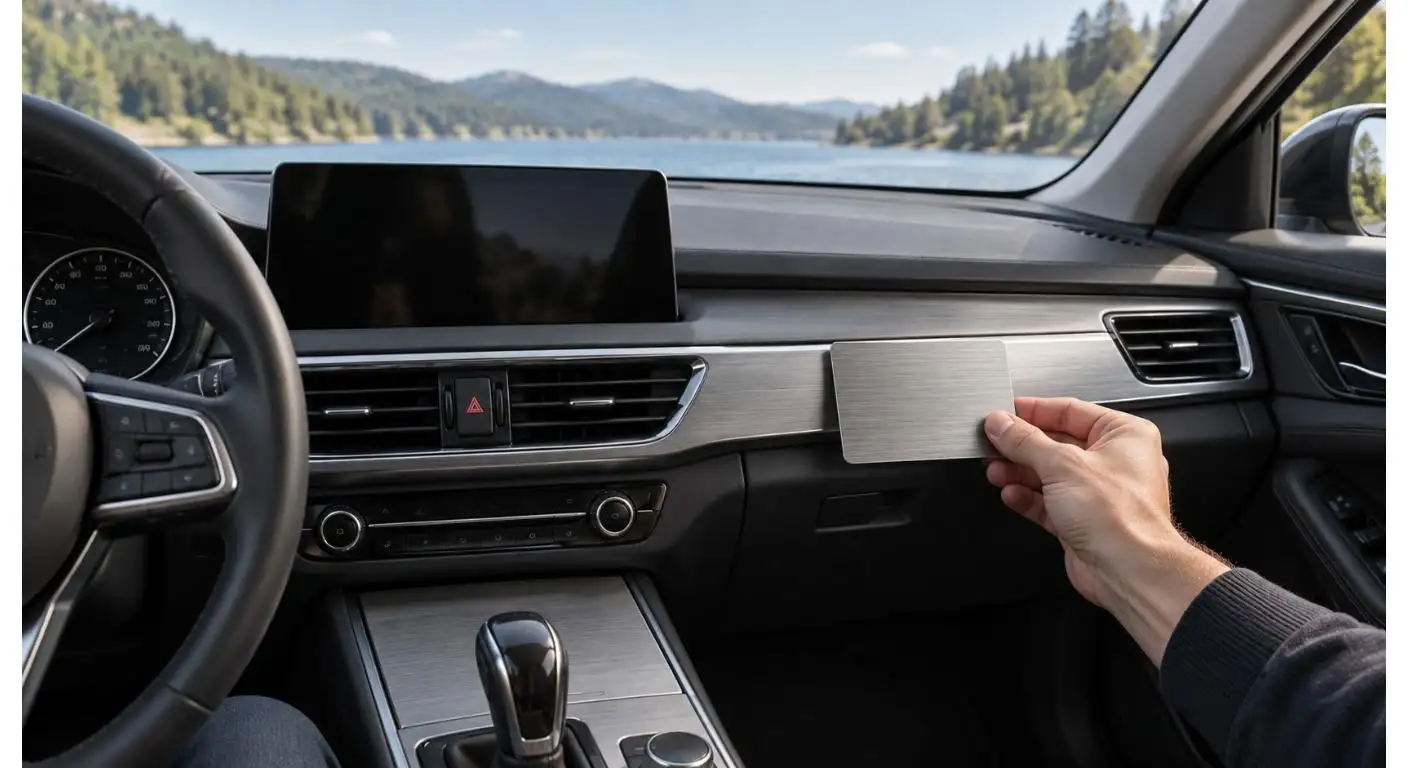
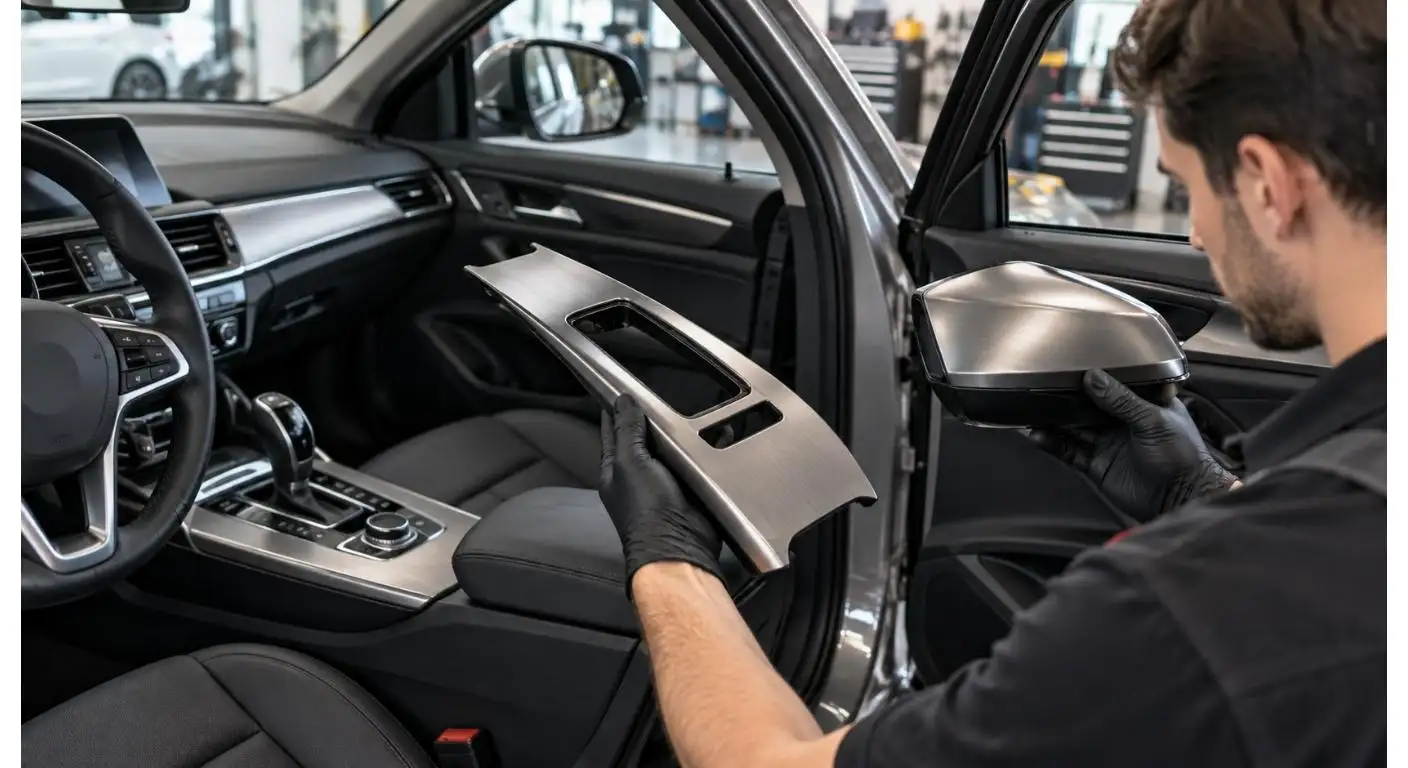
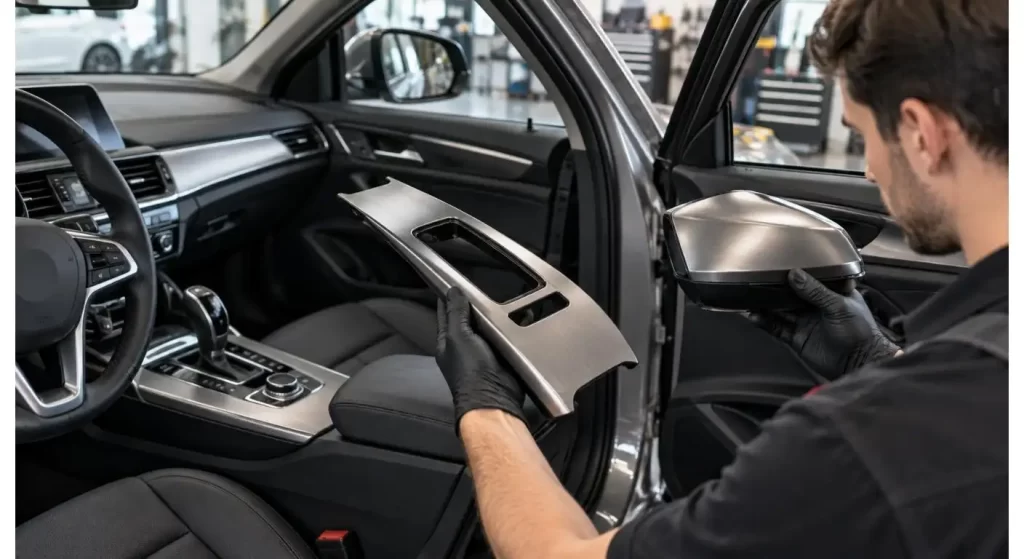
The sample book allows all automotive decorative film effects, metallic, carbon, soft neutral and bright colors to sit together in a complete range. Those samples are subjected to very different conditions at the bench where they are installed. A dashboard insert, outside mirror cover and sun exposed roof will not be allowed based on appearance only.
For distributors and wrap shops, the challenge is to create a catalog of appealing finishes into one that employees can successfully suggest to customers. Each film should have a specified location, a specified surface, a specified method of installation, a specified maintenance program, and a specified claim with the specific product. This framework assists groups in determining the products they should have in inventory, sample and sell.
First, list products according to their uses.
Start with how the customer wants their surface, and not with a colour chart. The jobs of interior trim, exterior painted panels and glazing vary. BK film might be a good fit for a cabin insert, while vehicle color-change film might be more appropriate for an outside body panel. Tint on windows is in a different product category.
Write a brief list of applications for each film series of approved surfaces, conditions and exclusions. Add the car components installers face, like console inserts, painted roofs, mirror housings and door accents. Leave one use off the sales sheet until it has been assessed by the supplier if there is no confirmation for one use.
HEY FILM showcases the automotive decorative film page, complete with texture and finish options. Its wider Decorative Film category applies to its use in home and commercial space applications and outlines warranty requirements for vertical applications installed indoors and protected from direct exposure to UV and overly high temperatures. There should not be a single car-use specification for those pages.
Request a Complete Record for each Series.
Ask for the specific product code, film construction, finish, adhesive data, specific substrates, installation information and cleaning instructions. Inquire about documents for the series, not just another item in the series. Maintain version dates in order to not replace a previous version of a specification silently.
Exposure is important to consider. A cabin portion behind glass may get hot in the direct sunlight and an exterior panel will be subjected to rain, washing and changing temperatures. Request weathering and color-stability data for the proposed film in both of these locations. A statement regarding UV performance on a window film is not suitable to be duplicated on an opaque decorative film.
Use words that your sales colleague can use to write limitation. “Approved for smooth, rigid interior trim, subject to the specified preparation method” more useful than “suitable for all cars.” Any warranty should state the product, application, period, and limitations and omissions, and not reference a number on a general website banner.
Construct a Data Set of Small Size to Address Questions
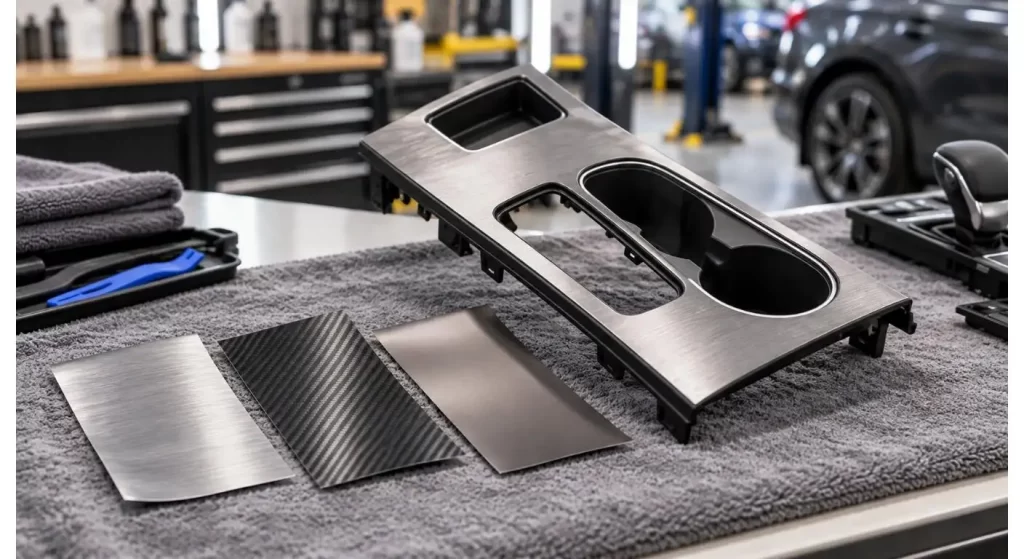
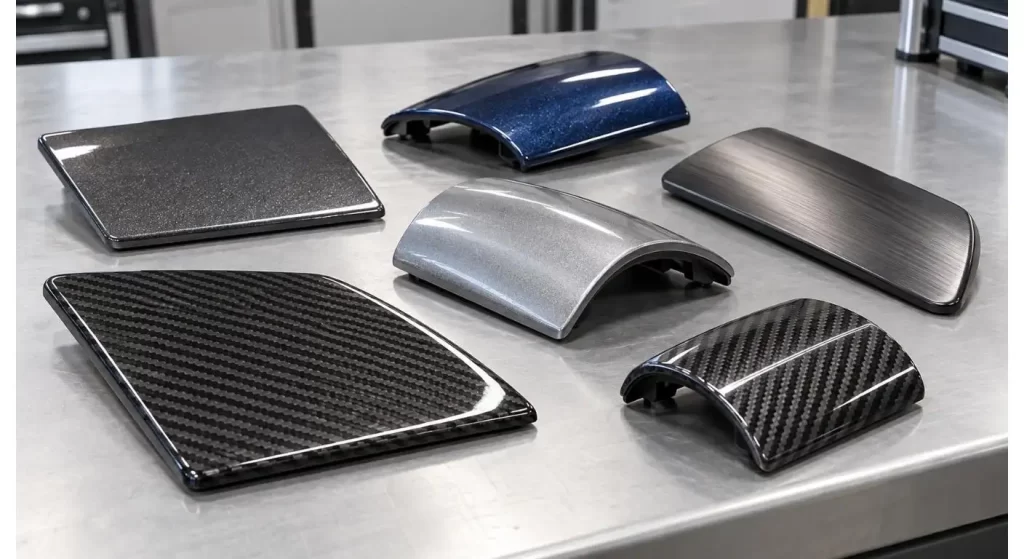
A good sample set can't just contain specks of color. Attach each finish onto a substrate that is like the one the finish is going to be used on and use a gently curved sample if it is marketed for contours. There should be a display that allows the installer to assess glare, pattern direction, texture and edge appearance.
Focus on an opening range. A limited palette of metallic, a carbon and some neutral solids can serve more true needs than all the shades that are almost the same. Write the exact code on the back of each sample that was approved – there is a high risk that a beautiful sample can be ordered incorrectly.
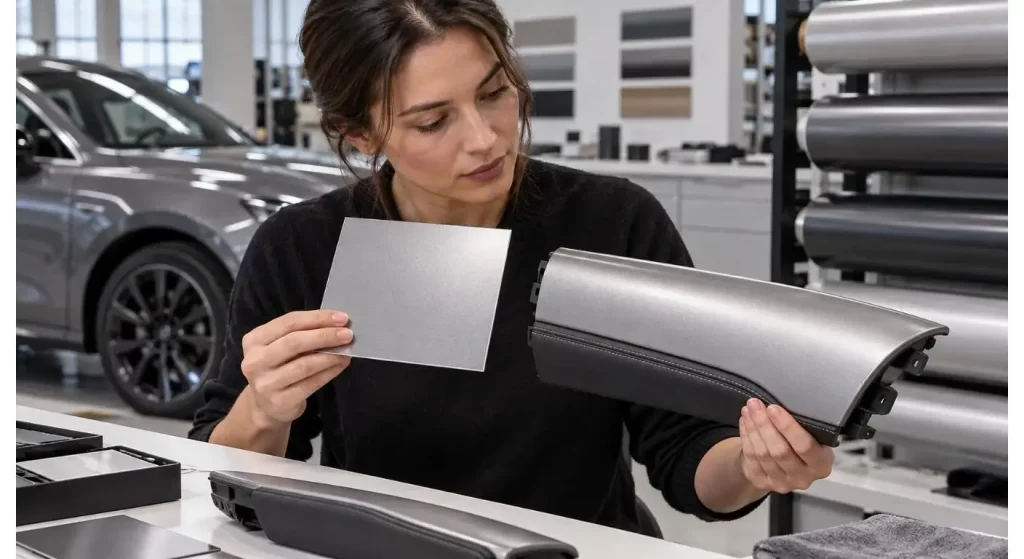
See samples in the daylight, in workshop light and in a real car. Ensure a finish complements factory paint and trim. Take a photo of the approved product under the same lighting conditions; keep the real product for reference for future supply and replacement.
Test on Representative Parts at Installations.
For a new series, select at least 1 flat panel, 1 easy bend and 1 difficult bend. Make each substrate following the suggested directions. Document if the film is able to be shaped without any damage, if a texture distorts when shaping and if an edge is secure after the stated settling period.
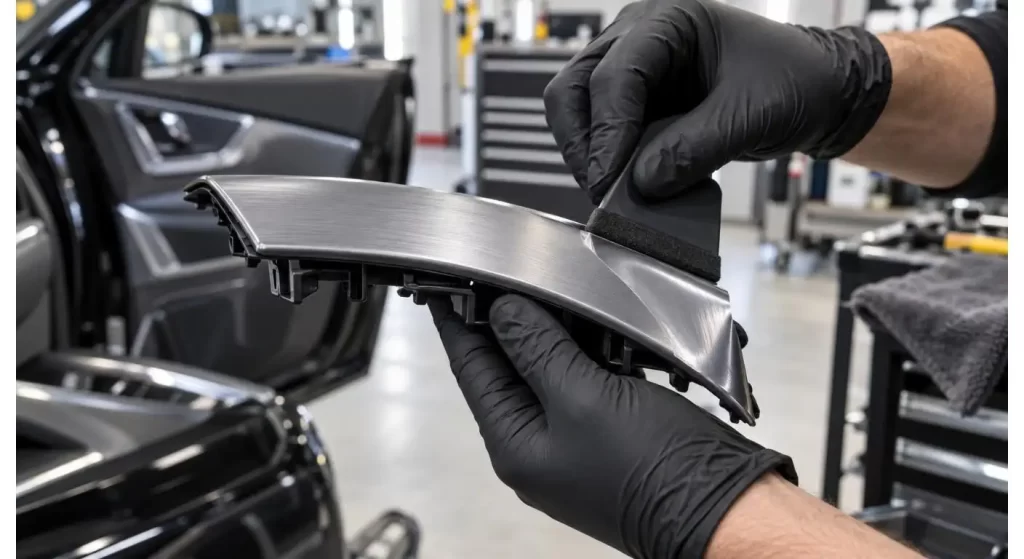
If used indoors, make sure that the surrounding switches, vents, sensors and moving parts are not blocked. Never offer a film over an airbag deployment area unless vehicle specific approval has been obtained and a specific means of deployment has been provided. When using the exterior, check edges exposed after installation and explain washing instructions to be provided to the owner by the installer.
Communicate to the supplier failures and successes. If a sample is fine on a flat board but is showing up on the piece that will be trimmed it has not yet qualified for this offer. HEY FILM has a separate Vinyl Wrap collection for vehicle colour change applications – check the suggested application and installation before choosing an alternative.
| Approval Item | Evidence or Reference | Status |
| Exact film series | Product code and current document version | Pending / Approved |
| Proposed application | Supplier-confirmed location and substrate | Pending / Approved |
| Physical sample | Retained sample with matching product code | Pending / Approved |
| Installation trial | Flat, curved, and edge test record | Pending / Approved |
| Sales claims | Product-specific supporting documents | Pending / Approved |
| Repeat supply | Roll identification and reorder method | Pending / Approved |
Produce sales materials to meet the tests.
Display each finish on the type of surface that it has been evaluated on. A furniture picture is not a demonstration of the suitability of decorating a hot vehicle cabin and a coloured PPF picture isn't a performance demonstration of decorating vinyl. Identify photos with the film series and application.
Provide staff a concise response to 4 questions: Where is the film going, What is the required surface preparation, How is the film to be cleaned and What is excluded? Do not make claims such as self-healing, stone chip resistance, heat rejection or UV blocking unless the specific series you are referring to has a supporting document for that claim.
Have a separate quotation description for interior accents and exterior wrapping. This helps to minimize the confusion of material, labour and responsibility of warranty. If the customer requires a colour change for large body panels, connect them to the right vehicle-wrap product, rather than extending the definition of a decorative trim product.
Produce, handle and fire a repeat supply.
Start with a few shop installations and record the vehicle type, vehicle substrate, film batch number, preparation and result. Ask for input following typical use, such as cleaning, heat or weather. A "controlled pilot" is where the finishes that qualify for permanent selection in the range are identified.
When ordering in larger quantities, be sure to inquire about methods of sample matching to roll codes and future batches. When an installer needs to replace one part, the distributor should be able to tell if the shade and surface are available. Keep an approved sample of the first order.
The supplier support page of the HEY FILM website offers a way to talk about product and channel needs. Include with the inquiry a proposed application list and test results as it assists change a general catalog discussion into a specific product qualification request.
Conclusion
There is a valuable product line of automotive decorative films if each finish has a definite use and it has been verified. Use applications as a foundation, specify precise series, test actual surfaces and create samples as per the approved installation. The same evidence should be used for sales claims as was used for the initial successful job, as well as repeat orders.
FAQs
Q1. Not all decorative films are fit for use in car interiors.
No. Specify the approved substrate, heat exposure and installation conditions of the specific film.
Q2. Is there a film that can be sold as an interior decorative film and be used outdoors?
When that application has been approved for the particular product. Different demands are placed on the exterior weather and washing.
Q3. What should be in a sample kit?
Add product codes and mounted samples to demonstrate appearance of product, texture, and curvature.
Q4. Why test a new film on a part of a vehicle?
A flat swatch does not allow for the observation of adhesion, pattern distortion or edge behavior on the surface to which it will be adhered.
Q5. Which records are of importance for repeat orders?
Maintain an approved sample, product code, batch information, substrate and installation information.