


Hot Tags
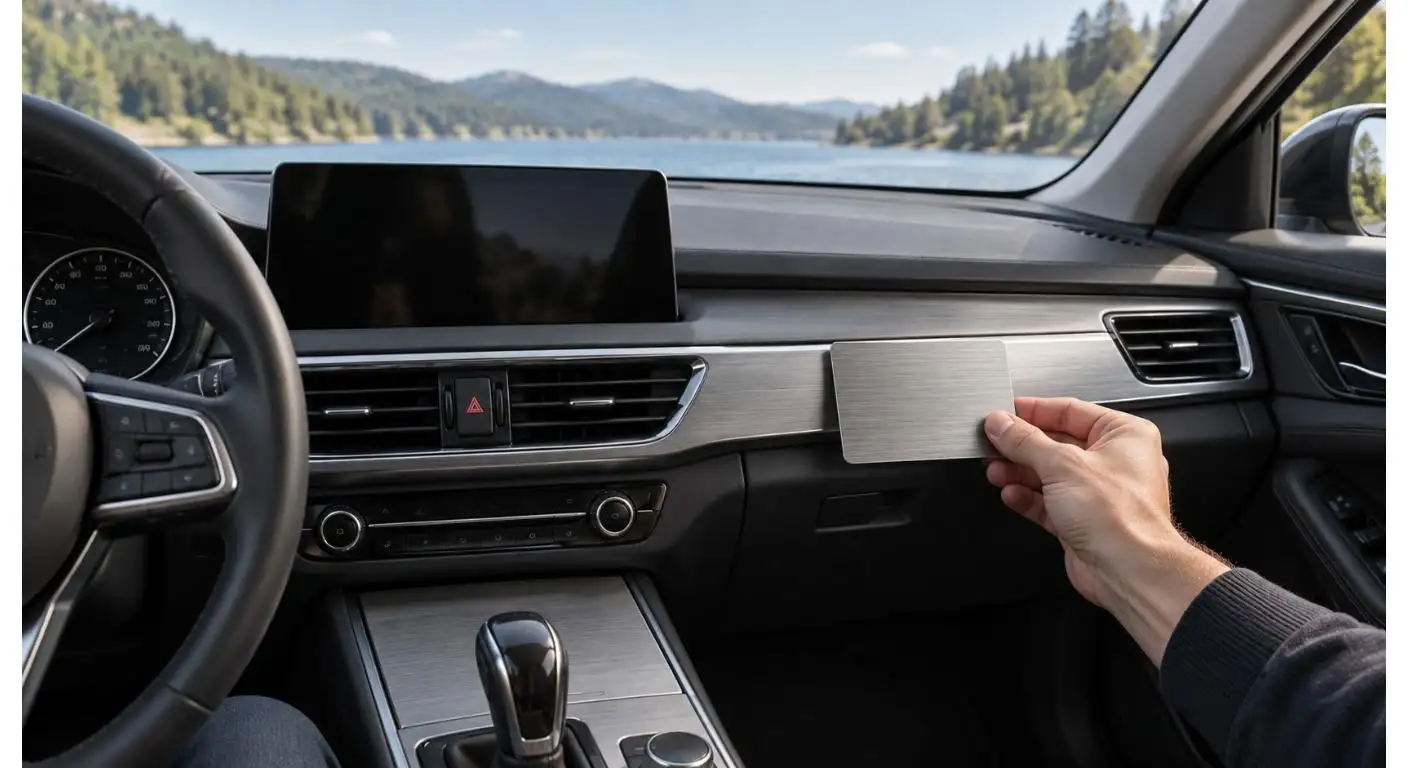
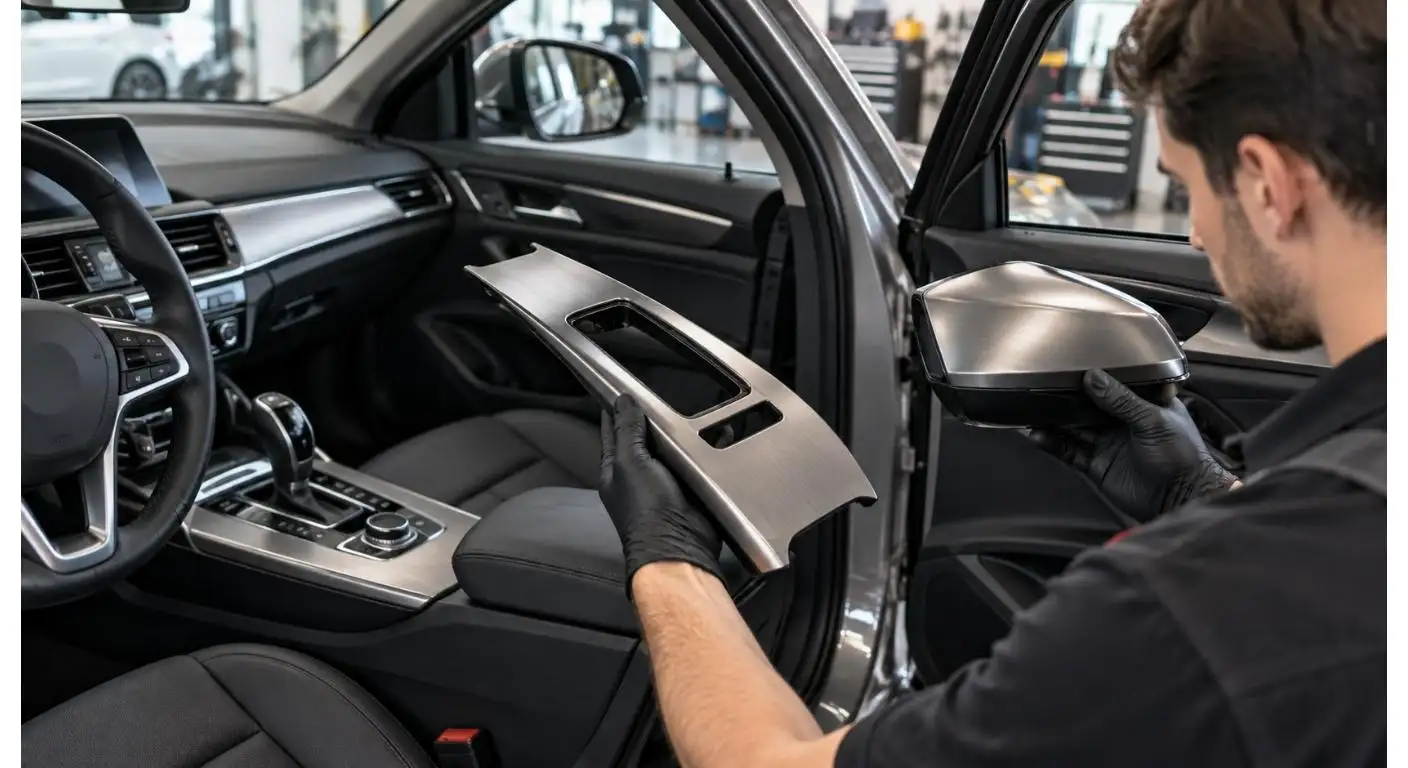
Car Decorative Vinyl Film: Choose the Right Accent and Surface
October 18, 2026


One effective surface alteration can make a difference in a vehicle. It's possible that a brushed metal piece on a dashboard, a subtle patterned insert in a center console or a contrast exterior trim piece will make a bigger impression than covering every panel. The difficulty is that you have to find a film that is appropriate for the surface, the surroundings and the way people interact with the surface.
Decorative vinyl film is applied to vehicles to customize the appearance. It is a term that refers to a goal, rather than a single, universal specification. The conditions in a film for furniture, car interior and car exterior body panel can be quite different in terms of heat, light, cleaning, adhesion etc. This article is to assist owners and wrap studios to determine which application they are going to use first, then which material to use.
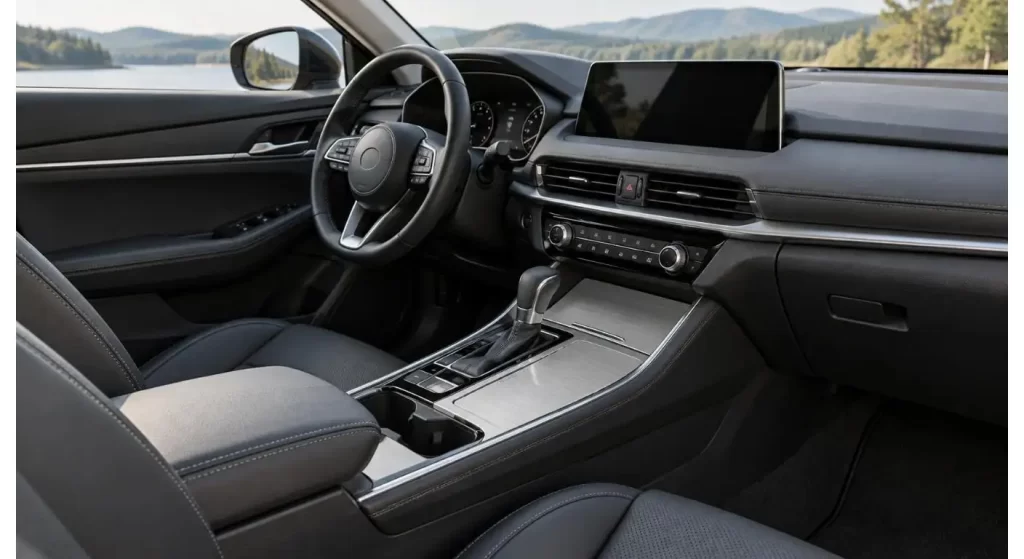
Select 1 Area to Change
Start with the area of the vehicle that looks unfinished. Indoors, it can be a decorative removable trim insert or a wide decorative panel. It could be a small body accent outside, that follows a line. Determine if the film should be similar or contrast with the original materials.
Decide on an image of the actual car and work from it. You can't see how the sample's texture compares to seat fabric, paint color, switches and other trim on an isolated sample. Take a sample and put it next to the proposed surface and view it from the driver's normal driving position as well as from outside the vehicle.
Contain the first project. A dialed back accent helps to determine if the texture is right for the cabin or body. On the automotive decorative film page, HEY FILM details patterns, metallic and carbon effect film; confirm the specific film being recommended for your surface.
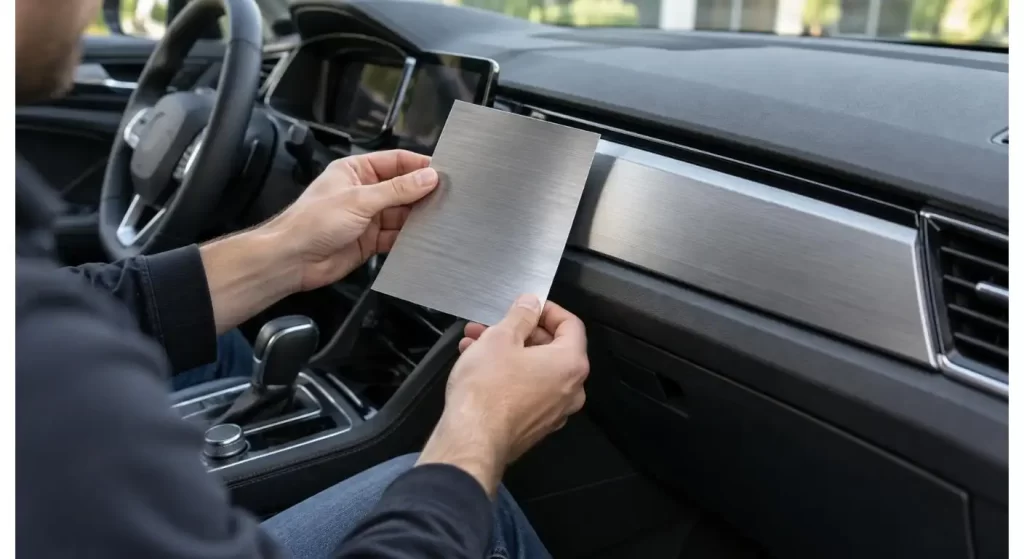
Have a different set of requirements for interior and exterior.
Exposed to the Sun via the windshield and to heat when parked. It's also touched often by hands, bags and cleaning cloths. Rain, dirt, UV, washing and harsher temperature changes are all challenges that exterior accents must endure. The same looking swatch can't be specified for both locations.
Request the name of the product, technical advice and written application scope. Determine if the film is for use in the vehicle interior, vehicle exterior or for other applications. HEY FILM's general Decorative Film category covers products described for use in the home and commercial interior applications and states the following warranty conditions: used in indoor vertical applications, not in direct UV or excessive heat. The conditions should not be assumed to be inclusive of a hot dashboard or exterior panel.
If the exterior color accent is planned as part of the project, evaluate the color accent product against a product that has actually been introduced for vehicle wrapping. A separate collection of Vinyl Wrap is available at HEY FILM. Inquire with the supplier as to the series that is suitable for the location rather than relying on the term “decorative” as evidence of suitability.
| Checkpoint | Information to Obtain | Confirmed for This Project |
| Exact material | Product name and series | ______ |
| Intended location | Interior trim or vehicle exterior | ______ |
| Substrate | Painted, smooth plastic, or textured surface | ______ |
| Exposure | Sun, cabin heat, rain, and washing | ______ |
| Installation guidance | Surface preparation and edge treatment | ______ |
| Removal and warranty | Conditions for this exact application | ______ |
The right substrate is essential for the right texture, so verify the substrate before picking a texture.
Glossy painted insert, molded plastic trim, textured dashboard and soft-touch coating offer various surfaces to adhesive. If a surface is grainy or has a peeling old paint coating, a film that adheres easily to a smooth sample board might fail to adhere to the surface.
Check the finish to be installed for damage, residue, polishing or loose finish. Inquire about the safety of removing it for use and if removing the film afterwards could interfere with the coating. If the history of using paints or trims is unknown, test an inconspicuous spot. If the hot water heater has been previously repaired or refinished, document the work that was performed prior to work being done.
Limit contact with controls or parts which may be affected by the operation of films. Special attention needs to be given to airbag deployment areas, sensor openings, moving switches, vents and visibility critical surfaces. If it is not possible to verify a suitable installation for a specific area, select a different accent area. A decorative improvement can not impair the use of the vehicle.
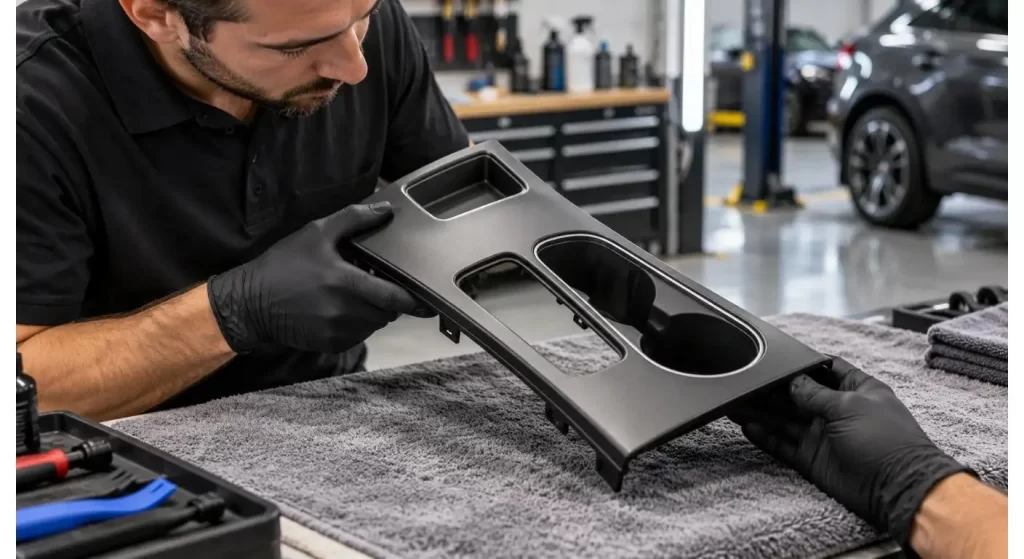
Determine the Finish at Driving Distance
A photo taken up close may accentuate a grain of wood, a carbon pattern or the sheen of metal. Look at a bigger sample in the car, in the daylight and in the car light. Look for reflections that are distracting in surfaces close to the driver's view and for visual mis-matching with adjacent factory trim.
Instruction on patterned films. When the pieces are laid in directions opposite each other, the wood grain and woven effects have a tendency to look amiss. Before creating multiple inserts, agree upon the orientation.
Take cleaning into consideration when making the finish decision. Residences with deep textures may retain residue in another way as a smooth surface, and highly reflective films may show fingerprints. Request specific instructions for cleaning the particular material rather than assuming that a common household cleaner is safe for the material. The vinyl wrap finishes guide from HEY FILM shows you how a particular finish will look and the care guidelines for the selected film should dictate how to care for it.
Test Most Difficult Edge
The face isn't always the only part of the job done. There are also certain requirements for film: it must meet a corner, go back behind a trim piece, or stop at a clean edge. Printed textures can become distorted or an edge can be under tension if the curves are tight and the recesses are narrow.
When a complete installation is anticipated, check material on a representative part, if feasible, prior to installation. Determine if there is a change in the pattern with shaping and if the edge remains secure after the manufacturer's specified settling time. Check with the installer to see where any seam will be seen when seated or standing normally.
Record the installation and location. It will also provide the shop with a reference for ordering replacement material.
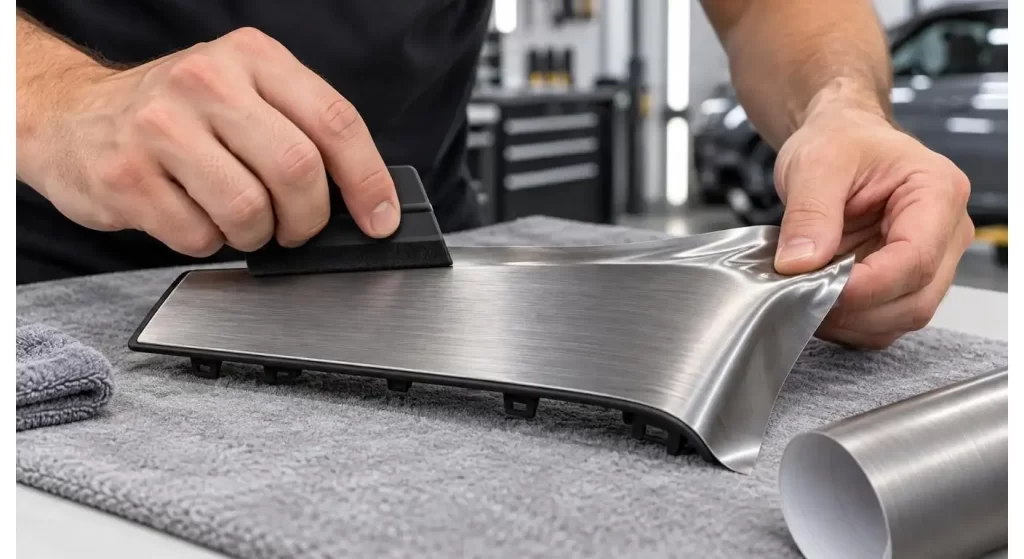
Walk through Finished Cabin and Exterior
Check an in-car accent from the driver seat, front passenger seat and door. Check to see if controls are still easy to use and if they do not catch on the edge of the film during normal movements. If it is to be an exterior accent, see the vehicle in daylight from several angles, and see how it looks in comparison to the original paint.
Pay special attention to dust trapping under the film, texture, lifting edges and undesirable glare. Compare with the approved sample and make a note of any discrepancies which may be due to the shape or the light around the shape. When the project involves multiple parts, check the pattern directions for each part to make sure they are the same.
Retain film series, finish, sample and installer notes and care instructions. These records aid in matching an accent to the original one if it requires replacing. Additionally, they indicate whether the material is approved for an interior or exterior use.
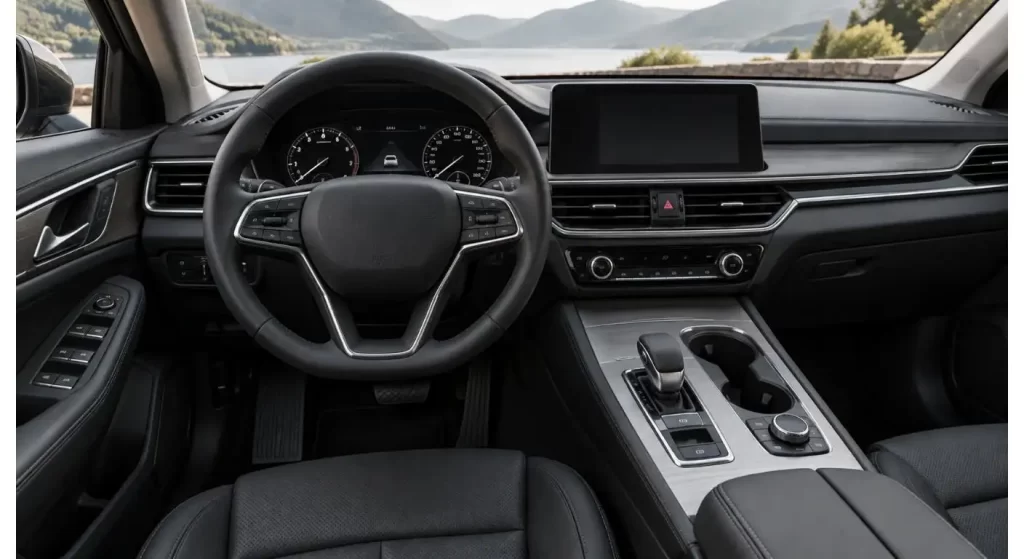
Conclusion
Car decorative vinyl film is most effective for a small visual concept that gets coupled with an appropriate surface and verified material. Determine the location of an accent, confirm the exposure and substrate, and then finally approve a physical accent in the vehicle. With careful edge testing, and a final functional inspection, a change of surface becomes a usable part of the car.
FAQs
Q1. Is there any decorative film which can be used for any car?
No. Verify that the product to be used has been identified as the exact product for the automotive surface and exposure desired.
Q2. Is interior film suitable automatically for exterior?
No. Exterior use is weather, UV and washing conditions which need to be confirmed separately.
Q3. Is it possible to use film to cover a textured dashboard?
The adhesion is dependent on the surface and product. Test an area representative of the entire and follow supplier's instructions.
Q4. Should airbag cover be covered with film?
Never cover a deployment area if vehicle specific approval and a verified installation method is not given.
Q5. What do I need to see on hand over?
Check edges, direction of pattern, for glare, and normal operation of adjacent controls. Maintain the precise film information.