




Hot Tags
Automotive Window Tint Film: What Drivers Actually Need From It
August 17, 2026


Many people initially discover Automotive Window Tint Film for one very easy reason: It clears up the auto. However, after some scorching hot afternoons on the road, most drivers will discover that looks aren't everything.
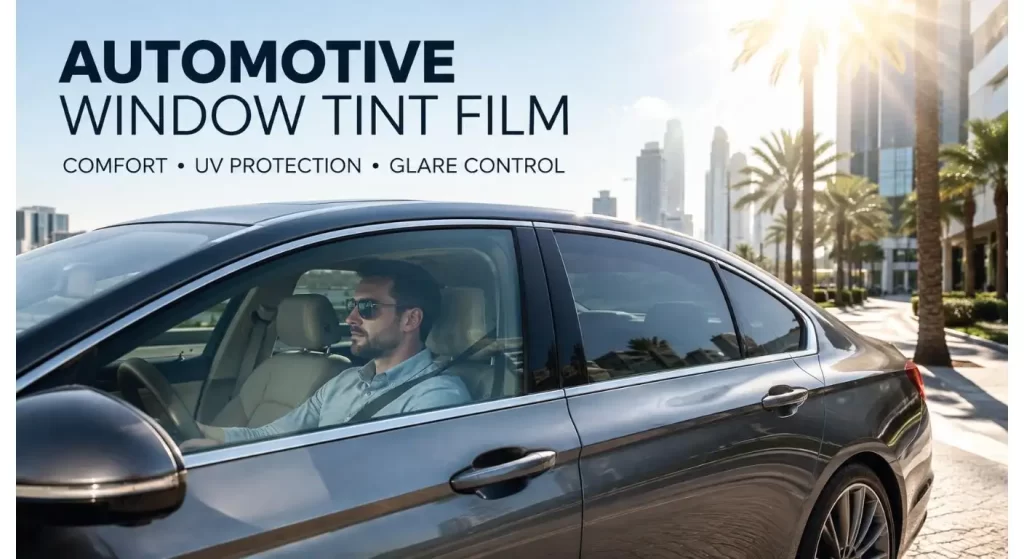
The car's feel is changed with the presence of good window tint. The cabin remains more relaxed, the sun is not as harsh and long journeys are less fatiguing. HEY FILM features a Windows Film page that focuses on everything that matters: controlling heat, blocking UV rays, privacy and optical clarity, not just dark glass. (heyppf.com)
It's More about Heat than Shade.
Even many owners think that the darker film is better performance. In reality, this is a very simple explanation.
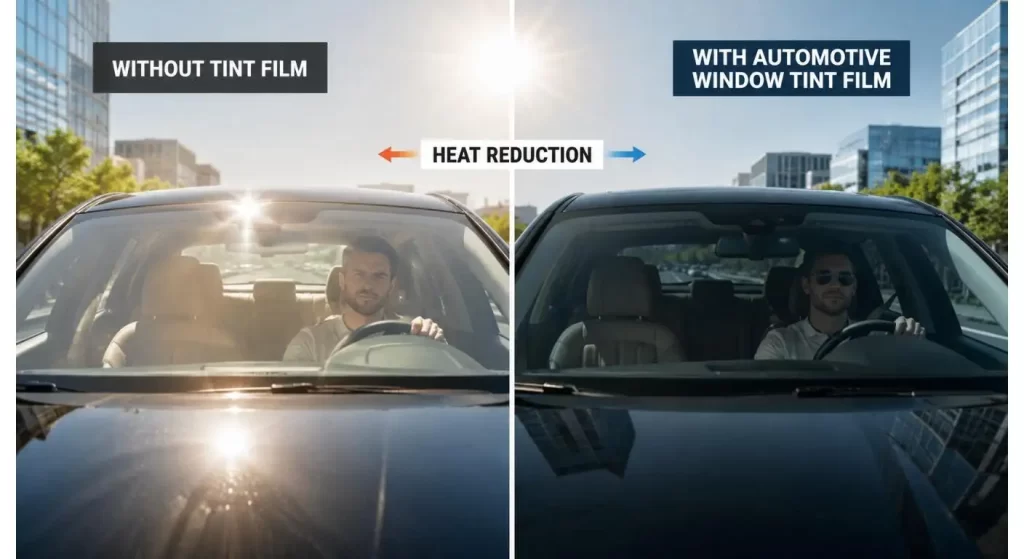
There is much more to a window film than to be effective in reducing the darkness of the glass. That is where the significance of heat-control films comes in when it comes to use. From a practical point of view, Car Window Film for Heat can help you keep your car cabins cooler, more comfortable and reduce stress on the air conditioning by reducing heat build-up as HEY FILM explains in its article. (heyppf.com)
This is typically the first benefit that commuters, parents, rideshare drivers and beyond feel when parking outside.
Protecting your skin from the damaging effects of UV rays is easier said than done.
It's because heat is an obvious sensation that it's a subject of discussion. UV damage is more of a silent problem.
Exposure to the sun can cause a gradual fading of dashboards, trim and seat materials. It also impacts on the comfort of the individuals that sit in the car from day to day, over time. That's why not only choosing the window tint darkness of your car windows is a styling decision, but it is actually a long-term solution for the protection and care of the interior of your vehicle.
HEY FILM's Automotive Window Film Supplier page, however, the UV protection is mentioned in conjunction with clarity and heat rejection, which is a more appropriate way to consider actual films in the real world. (heyppf.com)
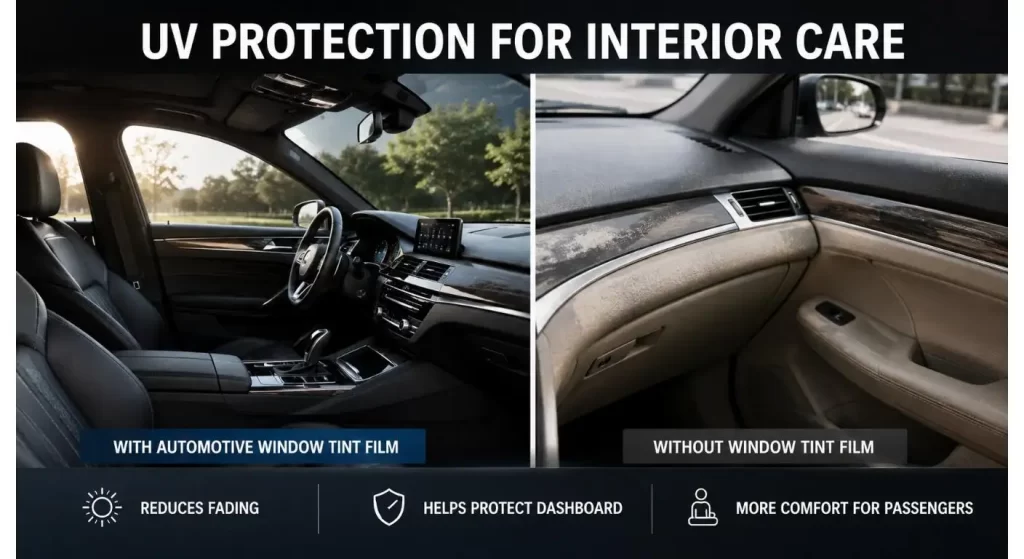
What's important is to be clear, and people are not as clear as they could be.
This is the aspect that several buyers will just admire after installing the product.
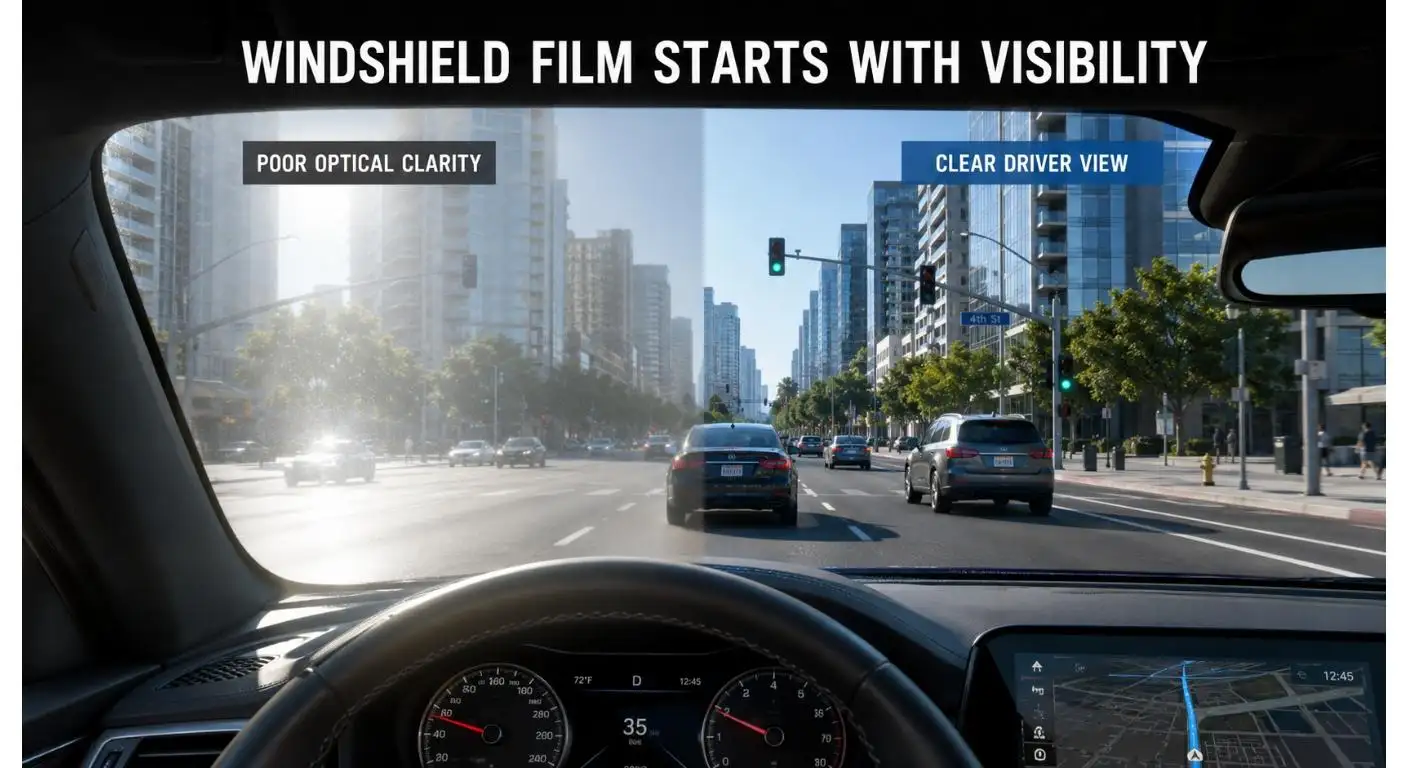
While a film may appear great in a product photo, it can appear very fatiguing on the road where it can cause haze, distortion or an overly reflective effect (particularly at night). Window tinting isn't all about attracting attention from the outside. It's the one that you don't notice from the car seat.
HEY FILM makes this clear in its Car Window Tint Film Provider page, which emphasizes on clear visibility, safety and durability. (heyppf.com)
| Priority | What to Focus On |
| Hot climate driving | Heat rejection |
| Daily sun exposure | UV protection |
| Frequent night driving | Optical clarity |
| Urban privacy need | Balanced tint level |
| Long-term interior care | UV and glare control |
| Premium OEM-like look | Neutral appearance |
There are many useful resources to help you achieve privacy, but it shouldn't be the only aim.
Yes, privacy matters. It is one of the most popular drivers' questions when initially inquiring about tint.
However, selecting the film based on how obscure the inside is, can result in a bad choice. Every car window tinting company should take into consideration a few factors when choosing a tint. A production car, commuter or roadster might require a different balance as compared to a show car or weekend project.
That is, it's not just about what can't be seen by others when it comes to a useful tint film. It's also about the driver's ability to still see through clearly.
New experience of driving with technology.
All tint films are not created equal. Some emphasize on reflective performance and others emphasize on a cleaner and more neutral look.
For instance, HEY FILM's Sputtered Window Film is targeted at reflective heat control and their 5G Ultra Clear Window Film is aimed at the clarity, heat control and signal friendly performance. (heyppf.com; heyppf.com)
That difference is important as it means the drivers aren't all making the same request. Others desire the coolest cabin of all. Others are more concerned about optical comfort, the clean factory appearance, or a good cell phone and navigation signal.
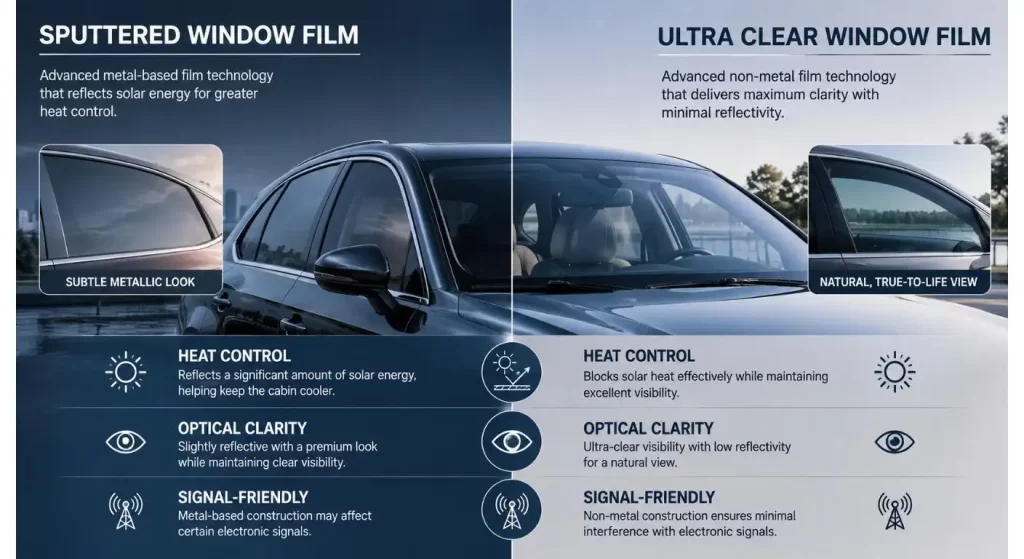
Tinting level is dependent on how the vehicle will be used, hence the “Best” tint.
This is where the many generic articles are of no use.
The priorities of a family SUV in a hot climate, a city commuter parked outside, a high dollar vehicle for long trips on the highway and a commercial fleet vehicle are not all the same.
If the car sits in the sun for a few hours per day, heat rejection will be an issue each day. The optical clarity is more important if the owner is a night driver. UV stability and preservation of interior is more important if the vehicle remains on the road for years.
If there's any issue you find yourself having over and over again, it's typically the right film.
| Driving Scenario | Tint Selection Focus |
| Daily commuter car | Comfort and glare reduction |
| Family SUV | Heat control and UV protection |
| Highway-use sedan | Clarity and fatigue reduction |
| Outdoor-parked vehicle | Heat rejection and interior protection |
| Commercial or fleet vehicle | Durability and visibility balance |
| Tech-heavy modern vehicle | Signal-friendly film option |
The result is still dependent on the quality of installation.
Even a great movie can let you down when installed in a shoddy manner.
A high quality film can turn all bad in no time at all if it becomes dusty, when edges lift up or if it is contaminated or poorly shaped around curved glass. That's why it's important for buyers to consider the quality of the film in combination with the installation quality.
If the result is clean it should be nearly imperceptible when in use. Before the driver will realize that there is any film, the comfort improvement will be noticed long before.
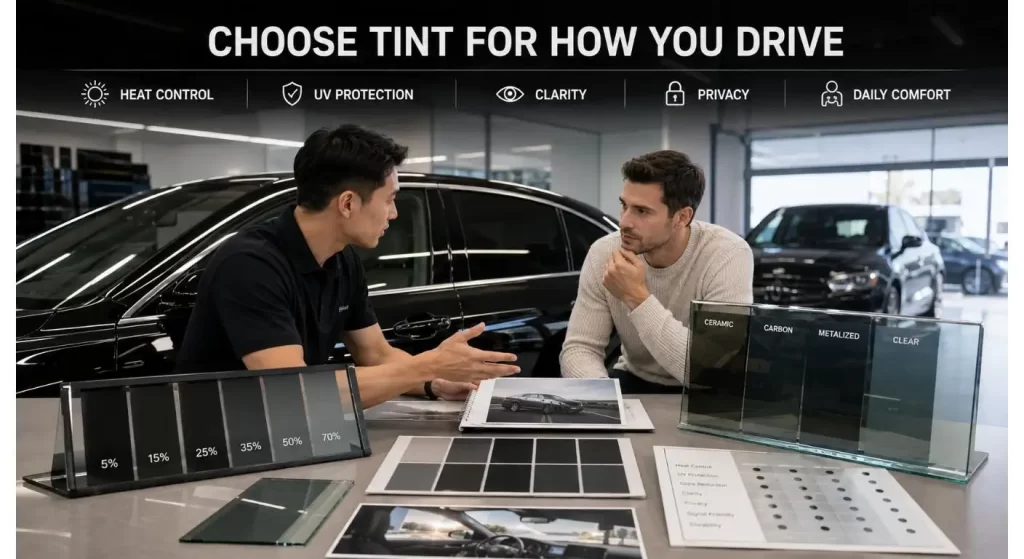
Final Thought
If possible, Automotive Window Tint Film should be selected based upon the actual use of the vehicle.
If heat rejection is a primary concern, then work on the cabin heat. When it comes to glare, and fatigue, think about clarity and visual comfort. When caring about long term interior preservation, UV performance is not as insignificant as many buyers may think.
It's usually not the darkest film that is the smartest.
It's the film that continually enhances the car on a daily basis.
FAQ
Q1. Is darker car window tint better?
No, it does not imply that the darker the appearance is the better of heat rejection or clearer the vision is. It is not just a matter of shade, but film technology as well.
Q2. The primary advantage of auto window tint film is what?
The primary advantage of auto window tint film is that it provides better protection for the interiors of cars and other vehicles.
For most drivers, it's a combination of decreased cabin heating, decreased glare, increased UV protection and increased comfort in their day to day driving.
Q3. Does window tint reduce the interior damage to cars?
Yes. It can minimize fading caused by the sun's ultraviolet rays and will preserve the cabin in the long run.
Q4. Clearness of window film, is it important?
Very much. A hazed or distorted film can make driving at night or for long periods of time uncomfortable.
Q5. What's the best film to watch?
Begin with the use of the car—how you use it, the amount of exposure to the sun, the amount of time in the car, privacy preferences, and comfort levels. Then match up the movie to those real conditions.