




Hot Tags
Ceramic Window Tint: Why More Drivers Choose Advanced Ceramic Film Technology
August 13, 2026


Many car owners first consider the look when picking window film for a car. But, with the advancement of automotive film technology, more owners are seeking solutions that can deliver actual performance improvements.
Cooking up to 90% of the available sunlight, Ceramic Window Tint is gaining popularity due to its ability to provide heat control, UV protection and optical clarity without sacrificing the iconic dark look.
Ceramic tint is a good option for those who spend a lot of time driving on the road or have high-end vehicles.
How Ceramic Window Tint is Unique?
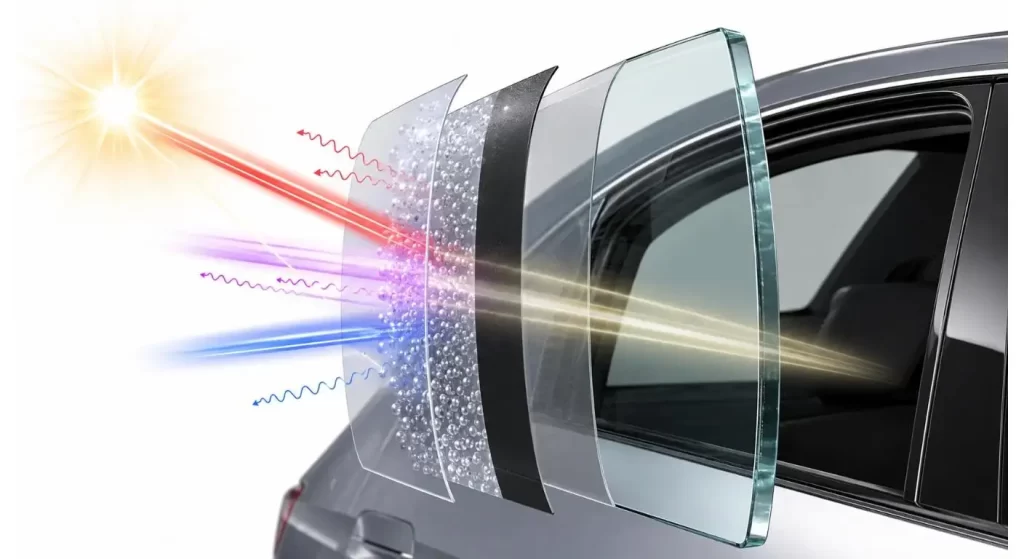
Traditional window films primarily block sun by means of dyed or metalised layers. Ceramic window tint is made with special ceramic particles that help to control the sun's energy without darkening the window.
The ceramic layer will help control:
Infrared heat transmission
UV radiation
Energy into the cabin from the sun.
Unlike a few metal films, ceramic tint doesn't rely on metal to get the heat out so it's great for vehicles that feature cutting-edge electronic systems.
Why are Ceramic Window Tints Great for Driving Comfort?
One of the primary reasons drivers opt for ceramic tint on their vehicles is the enhanced driving experience.
Better Heat Rejection
Car glass allows sunlight to enter and heat up the interior quickly.
In hot weather, ceramic window tint will help keep the inside more comfortable by reducing infrared heat.
Reduced Glare
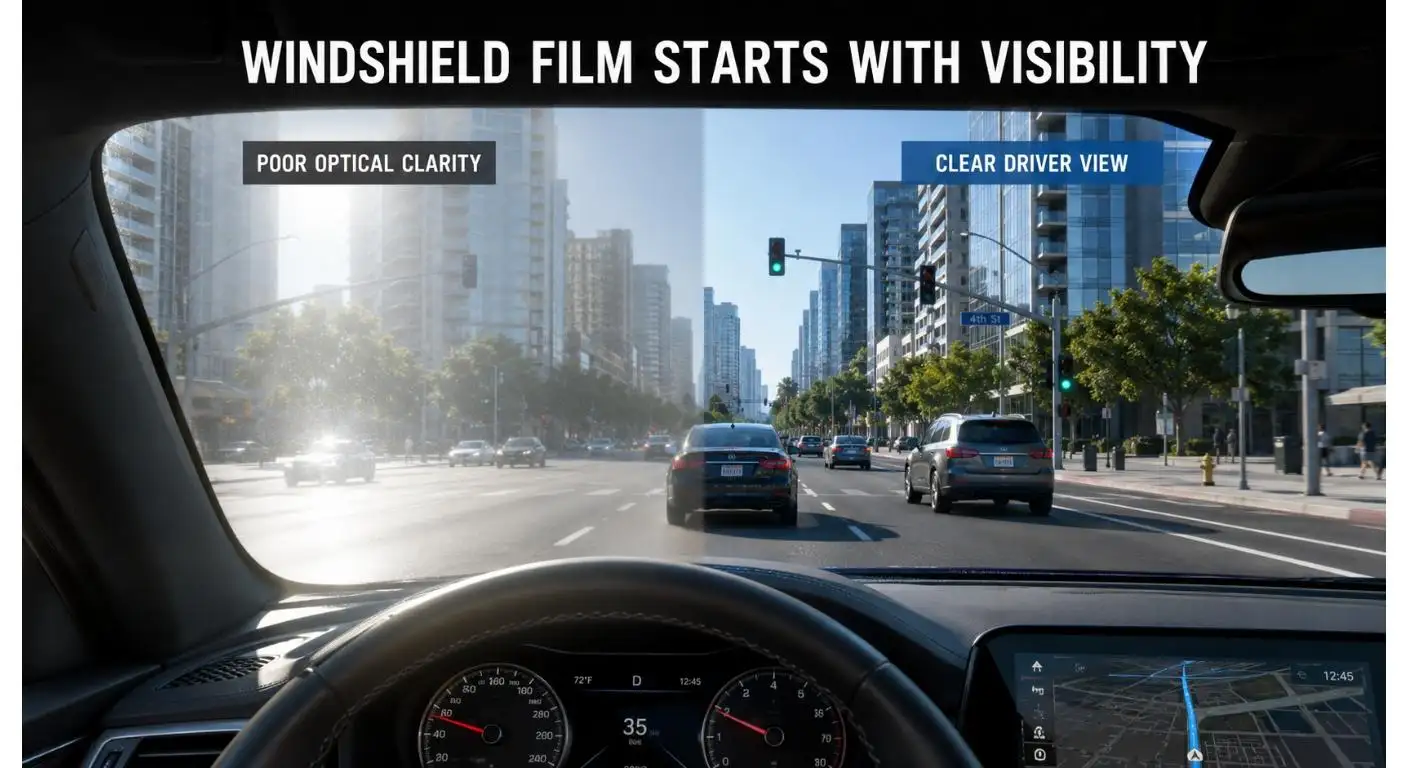
Bright light, such as strong sunlight and headlights at night may influence visibility.
A good ceramic film can control the over brightness but still get a good view.
UV Protection
UV exposure can impact in the long-term:
- Leather seats
- Dashboard materials
- Interior surfaces
Ceramic tint helps to decrease UV exposure and contribute to better interior protection.
| Benefit | Vehicle Improvement |
| Heat Rejection | Cooler cabin environment |
| UV Protection | Helps protect interior materials |
| Glare Reduction | More comfortable driving |
| Optical Clarity | Maintains visibility |
There are different types of window tint including ceramic window tint and regular window tint.
Before installing, many customers often ask what is the difference between ceramic tint and window film.
Solar repellence in three stages:
| Feature | Regular Window Tint | Ceramic Window Tint |
| Heat Control | Basic solar reduction | Advanced infrared rejection. |
| Level of visibility | Depends on film quality | High optical clarity |
| Multivirus Protection | Some films have it | Superb anti-virus effect |
| Technology | Dyed or metalized layers | Ceramic particle technology |
The distinction is that ceramic tint is not just about altering the look of a vehicle's glass, it's about performance.
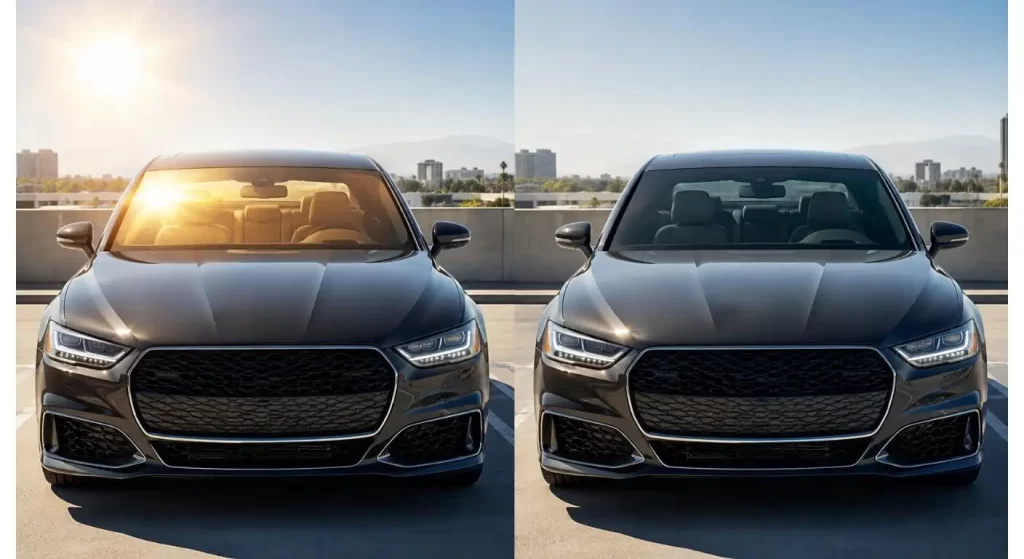
Ceramic window tint has become popular on high-end cars for a number of reasons:
High-quality vehicles can be equipped with a wide range of luxury features, increased glass surface and superior comfort.
The most popular applications for ceramic window tint include:
- Luxury sedans
- Sports cars
- SUVs
- Electric vehicles
With these types of vehicles, the owners typically want something that won't affect the original design and visibility of the car.
Will Ceramic Tint Impact Vision?
One of the most frequently asked questions is: Do more heat rejecting windows mean darker windows?
In fact, performance of ceramic window tint is not solely determined by darkness level.
Good quality Ceramic films are able to ensure heat management, UV control and a comfortable viewing experience.
This makes ceramic tint a great choice for drivers who want protection, but not a ton of window tint.
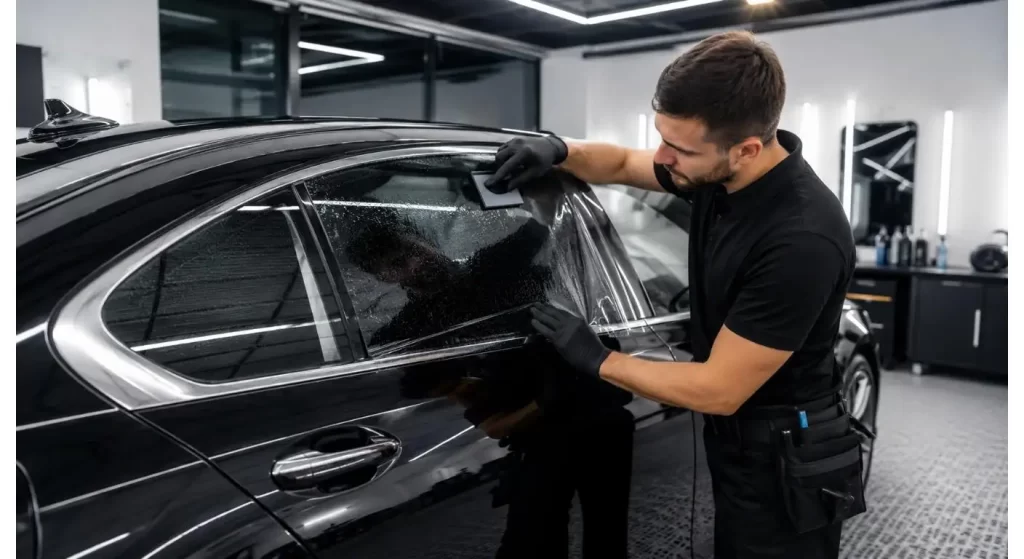
The window tinting company will professionally install the ceramic window tint.
Good ceramic film is still not enough–it must be installed properly.
The typical installation process involves:
Glass Preparation
Window surface is thoroughly cleaned to eliminate dust and contamination.
Film Cutting
The form of the film is based on the window design of the vehicle.
Precision Application
Installers manage alignment, pressure and smoothness of surface.
Final Inspection
The completed installation is tested for:
- Edge quality
- Film clarity
- Surface condition
If you need professional car film installation:
When deciding on window tint for your vehicle, you'll want to consider Ceramic Window Tint.
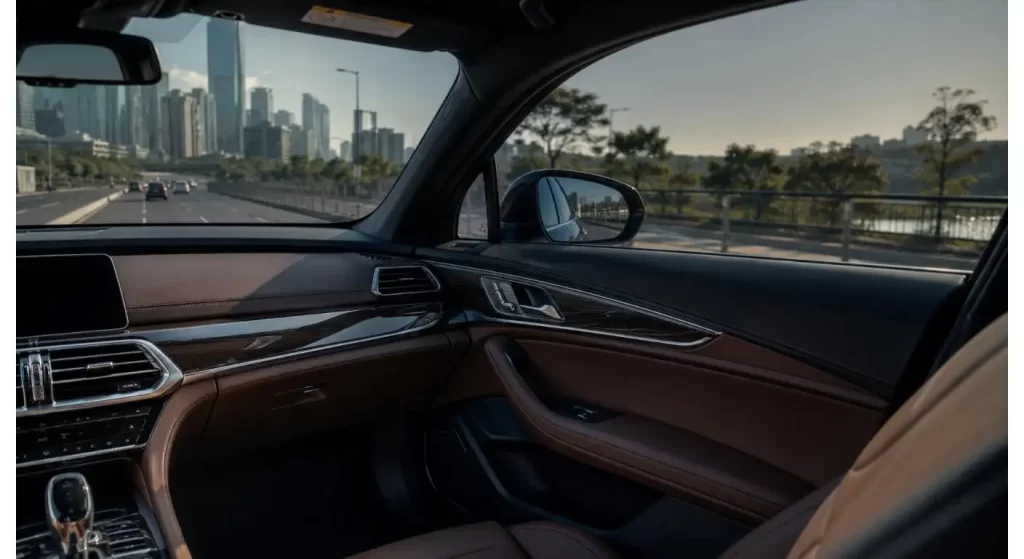
There are a few things to consider before choosing ceramic tint:
Climate Conditions
For hot regions, more IR heat rejection can be beneficial.
Driving Habits
People who drive on the highway often get more sun and glare.
Appearance Requirements
Various car models need varying amounts of privacy and visibility.
| Factor | Consideration |
| Climate | Determines heat control needs |
| Vehicle Type | Affects coverage requirements |
| Film Quality | Influences long-term performance |
| Installation | Determines final appearance |
To get full protection for your car:
Conclusion: Ceramic Window Tint Worth It?
Ceramic Window Tint isn't just an aesthetic improvement. It is technology-based solution that can focus on enhancing the comfort of the cabin, preserving the interiors and improving overall driving experience.
If you're a car owner seeking a more sophisticated solution than basic dark window tint, then you may want to consider ceramic tint.
FAQ
Q1. What is ceramic window tint made of?
Ceramic tint is a tint that has advanced ceramic particles within the film structure for better heat and UV control.
Q2. Which is better – Ceramic Tint or Regular Tint?
Compared to many traditional films, ceramic tint will typically offer more heat rejection and optical clarity.
Q3. Does ceramic window tint block U.V. rays?
Yes. Good quality ceramic films can lessen the amount of UV penetration and provide added protection for vehicle interiors.
Q4. Does Ceramic window tint darken windows?
Not necessarily. The condition of heat rejection is not only determined by the darkness of the film, but also by the technology of the ceramics.
Q5. Does Ceramic tint have any added value?
If a driver is more concerned about long-lasting performance, UV protection, and comfort, then ceramic tint may be a worthwhile upgrade.