




Hot Tags
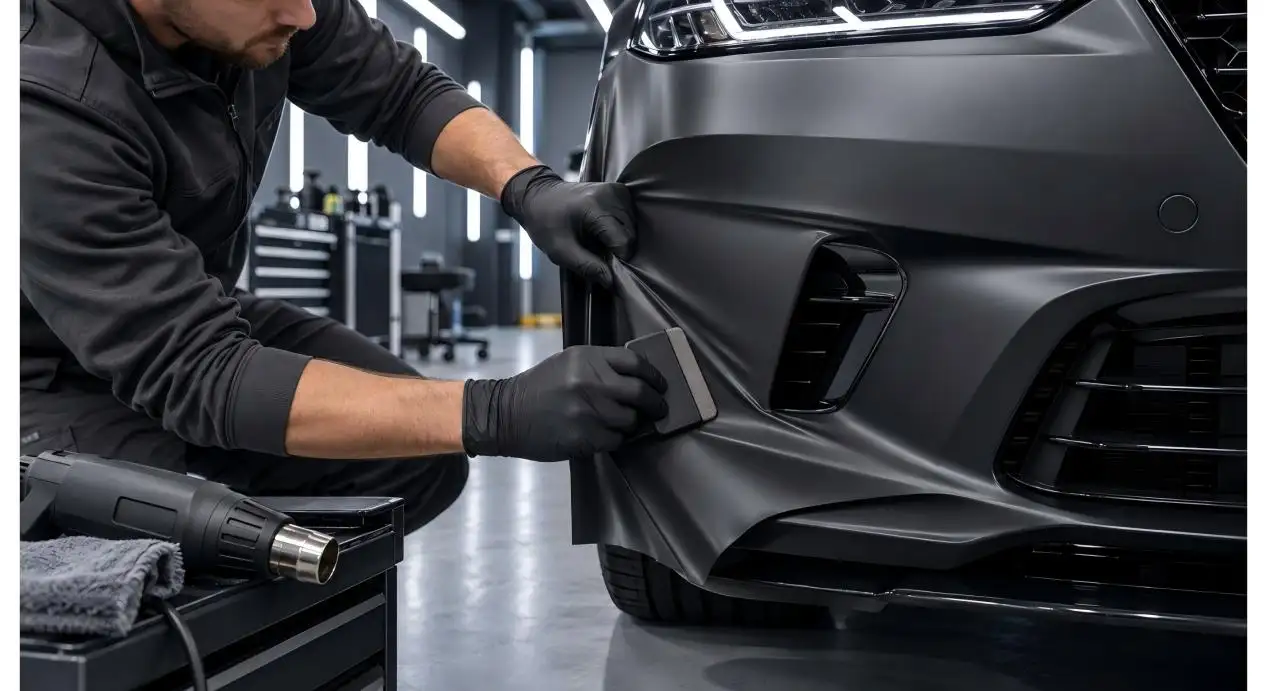
Personalized Car Decorative Films: Turning Your Style into a Vehicle Design
September 13, 2026


Personalizing goes beyond just ordering an ‘unusual colour' from a catalogue. Put simply, a successful vehicle design is a car that corresponds to the preferences of its owner and its dimensions, body lines, trim and wheels and its use.
This is possible thanks to personalized car decorative films, without having to invest in custom paint. Colors, finishes, patterns, gradients, graphics and small accents can be used, but all the choices should be consistent with a single visual direction.
Drawing a Design Identity is the first step.
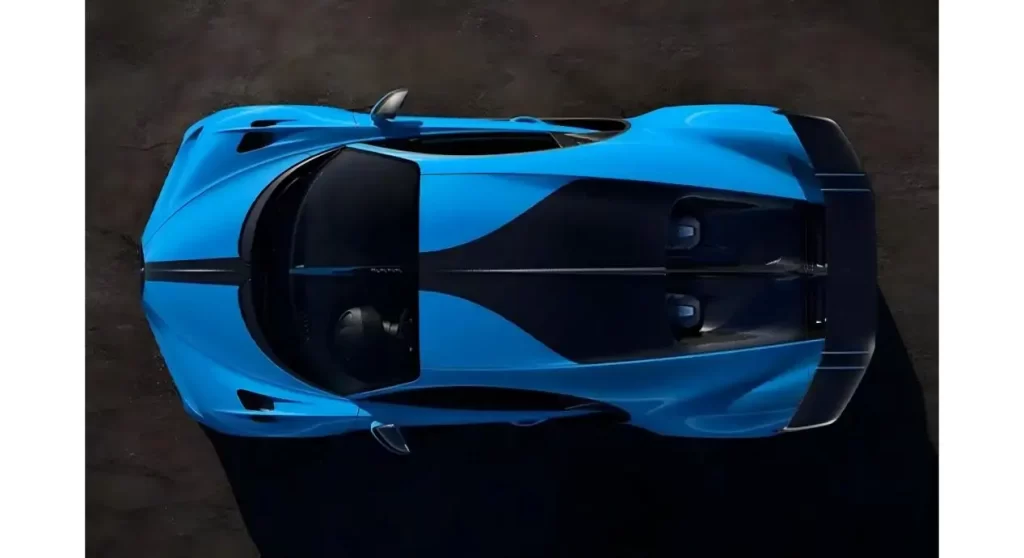
Before making comparisons describe how the finished vehicle should feel. Words like understated, technical, luxurious, retro, motorsport-inspired, futuristic, or expressive, and so on are more helpful than picking off-the-shelf colors.
Construct a brief design; Include the following elements in your design brief:
- The intended image of a person that the audience should form in their minds.
- Chooses colors that he/she prefers or dislikes.
- The contrast that is desired for a picture.
- The gloss, satin, matte or textured finish of paint surfaces.The surface sheen of paint.
- The whole body and a part of the customization.
- The length of the design to be used for a specific time
- Determine whether or not paint protection is necessary
This short guide for the designer to help cut down on choices and keeps it from being a compilation of unrelated effects.
| Order Detail | Information to Record | Purpose |
| Product series | Exact series name | Prevent material confusion |
| Color code | Manufacturer color reference | Maintain color accuracy |
| Batch number | Production lot | Support panel matching |
| Roll dimensions | Width and length | Calculate project coverage |
| Storage date | Delivery and opening dates | Control inventory rotation |
Take advantage of the Vehicle's current equipment
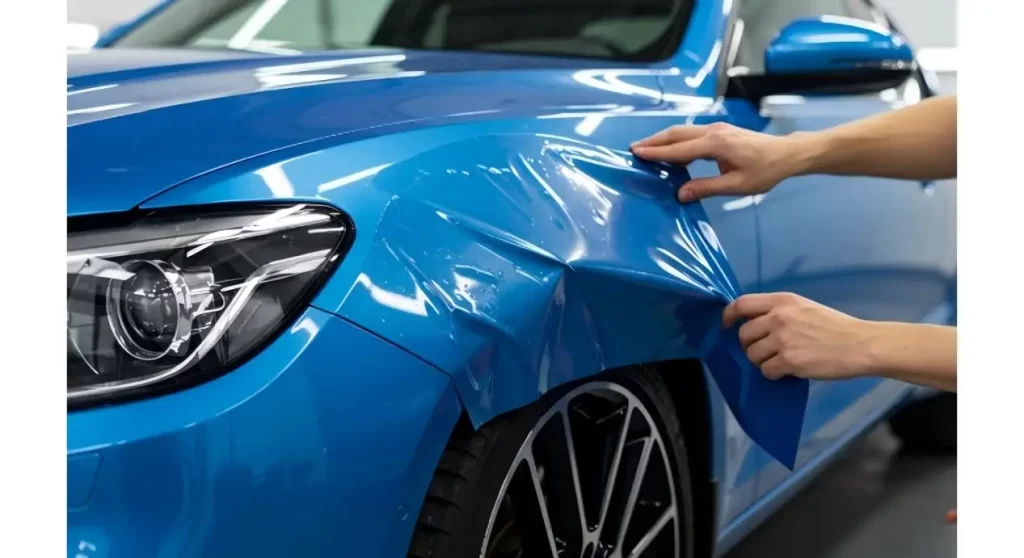
Personalized wraps are best when they work with the vehicle, and don't just paint it with a coat of anything. The car is already segmented into visual zones due to body creases, air intakes, rooflines, wheel arches, window lines, lights and trim.
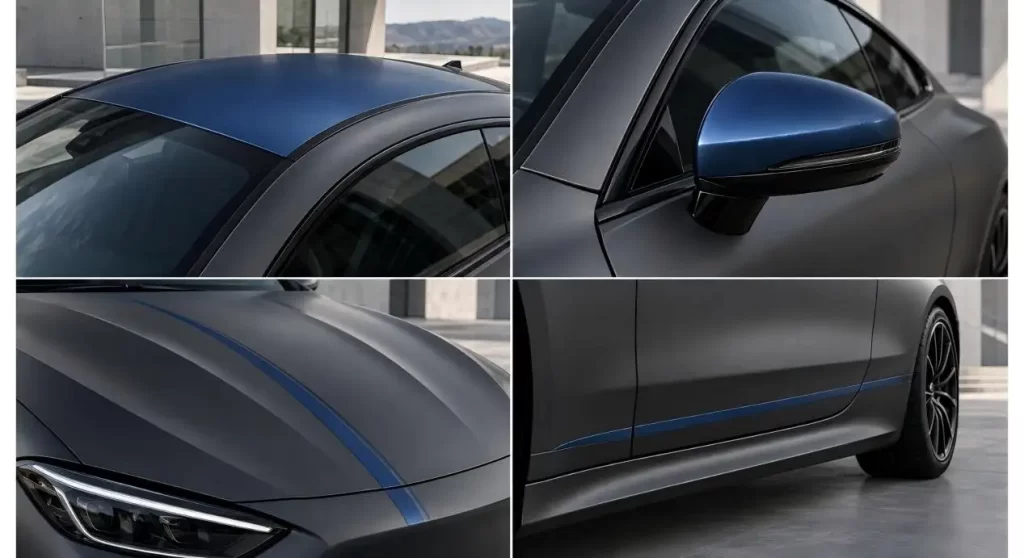
Contrasting roof will lower the body. Dark lower panels can create visual weight, bright accent near shoulder can accentuate length. Textured film can be used on mirrors or trim, but doesn't look good when used all over.
HEY FILM's customisation guide outlines a few different methods of mixing and matching custom colours, finishes, graphics and 3D visual effects.
Construct a Controlled Color palette.
Most coherent personalized designs employ one main colour, one accent colour, and a small, 2nd accent colour. Other factors, such as wheels, brake calipers, glass, badges and interior details should also be taken into account as they are still a part of the final composition.
There are a number of ways to organize colors in relation to each other:
- Colorful: having various colors
- Contrasting: colors that are opposite on the color wheel
- Neutral plus accent: black with one bright element or black, white or grey with a bright accent
- Material contrast: A solid color that is both contrasted and imbued with carbon or metal texture.
- Gradient: Gradually changing colors that are similar in nature.
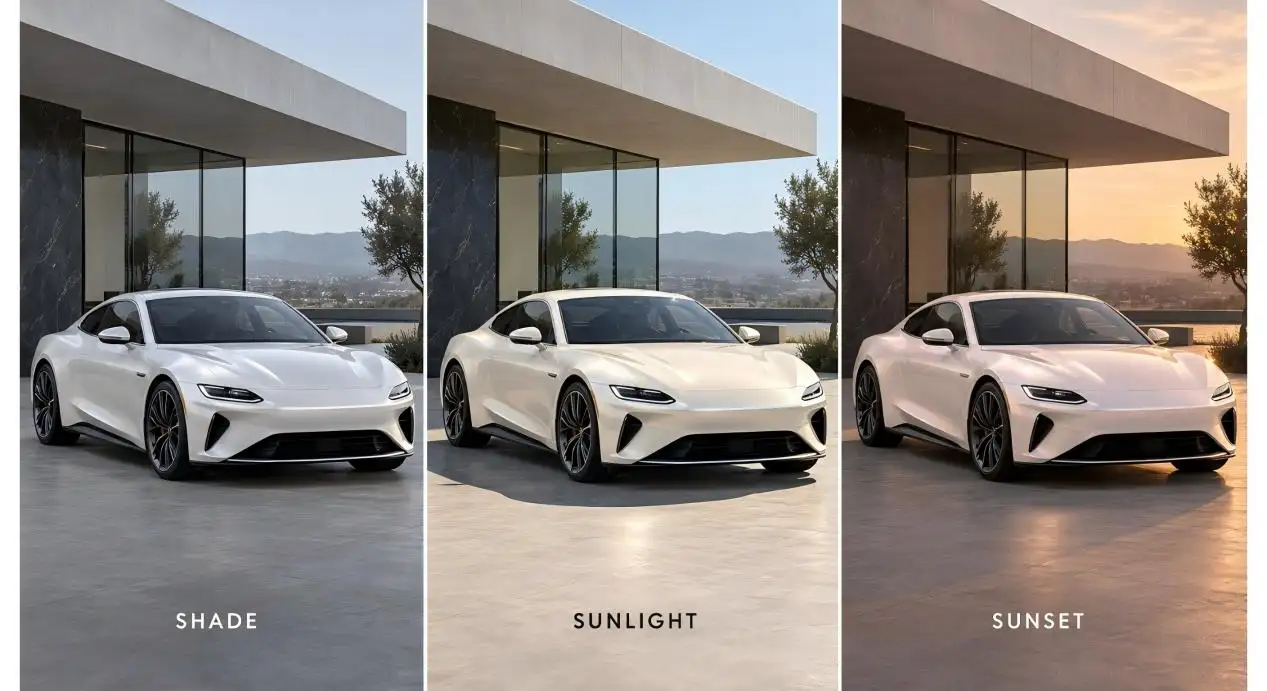
Test all physical samples on the vehicle. The result can vary depending on the base paint, curved panels, sunlight, shadows and trim in the area.
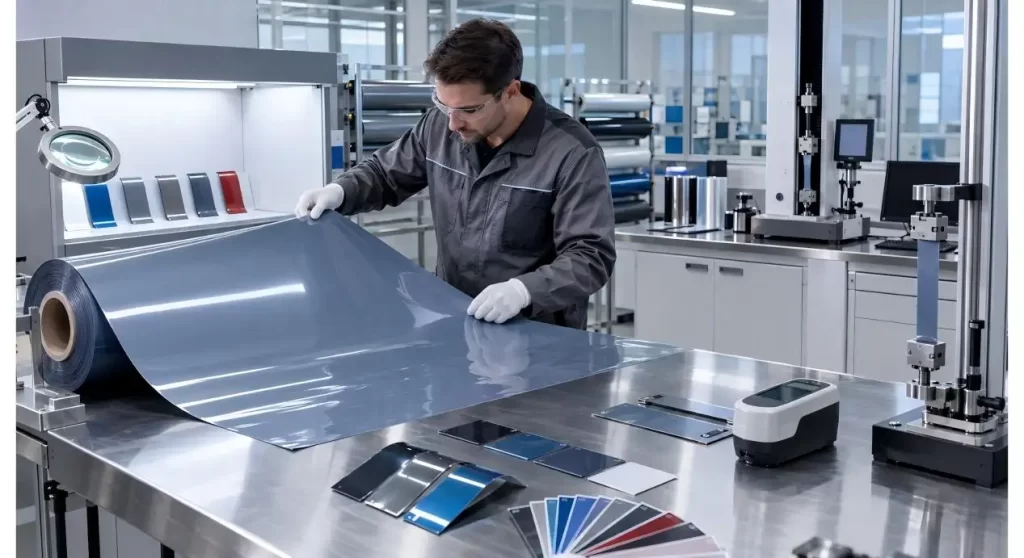
Determine the degree of personalization for the design.
It's not necessary to use complex print art for personalization. A customized color palette, an interesting finish or a special stripe might be more unique than a big graphic.
Normal, Basic and Advanced, and Custom.
- You've selected a catalog color and finish.
- Combination - 2 tone or multi finish.
- Custom-matched color
- Repetition of abstract or patterns.Repetition of abstract or patterns.
- Illustrations or self-made art; drawing, painting, or other artwork
- Initials, numerals or symbolic information.
There needs to be careful use of highly personal information. Names, addresses or details that may raise privacy and resale issues.
This guide is designed to help you create an Artwork that will install.
Cool graphics can go bad when applied to a real object – a car! Key graphics should not be over door handles, wheel openings, fuel doors, sensors or deep recesses.
The designer should take the vehicle template accurately, and then check the important parameters from the actual vehicle. The graphics should be large enough to have more than enough resolution; logos and geometric objects should be provided as vector graphics.
Cover for panel overlap, cutting and potential curve distortion. The film construction, the adhesive's ability and conformability play a key role in supporting complex designs that are achieved by the use of custom car vinyl wraps, explained by HEY FILM.
Opt for Vinyl or Colored PPF.
Vinyl wrap offers a great deal of design flexibility, and can be used to print graphics and patterns, for frequent changes, and for budget-friendly customization. It's primarily used for transformation of images and simple surface protection.
The colored PPF can be better for those who are looking for a custom color or finish in addition to more chip, scratch, stain and road debris protection. It will not be used as much for really fine print graphics.
Some projects could offer the best of both worlds: colored PPF for the protected body panels and the proper vinyl for the limited accents. The compatibility of material and removal sequence should be verified prior to installation.
Give a quick look at the entire vehicle.
The personalized design should be seen from front, rear, sides and 3/4 angles. One side view design might look out of balance on the other.
Digital mockups are useful to utilize for the best possible of proportions, but cannot be a substitute for physical samples. Use them for comparison of different layouts, not to insure color or surface texture.
Before production, approve:
- A vehicle template and dimensions.A model and dimensions of a vehicle.
- Final artwork version
- Color references
- Complete and film product code
- Use a graphic scale or position for the items being measured.
- The Edge & Seam Approach
Look at HEY FILM's finished cases and witness the effect of colors and special effects on various car models.
Make sure the Design for Future Repairs survives and is available for future use.
If a door, bumper or fender is damaged, creating a personalized wrap might be difficult to replicate. Save and preserve the original vector files, fonts, colour profiles, print settings, film codes, batch numbers and photographs of installations.
To create unique printed graphics, a few extra reprints can be helpful in repairing in the future. Solid-color film will avoid any visible color difference if there is a possibility of a color difference from the original film.
For limited-editions and collector cars, coordinated groups, and wrap shops that coordinate to deliver a signature style, the design record is particularly vital.
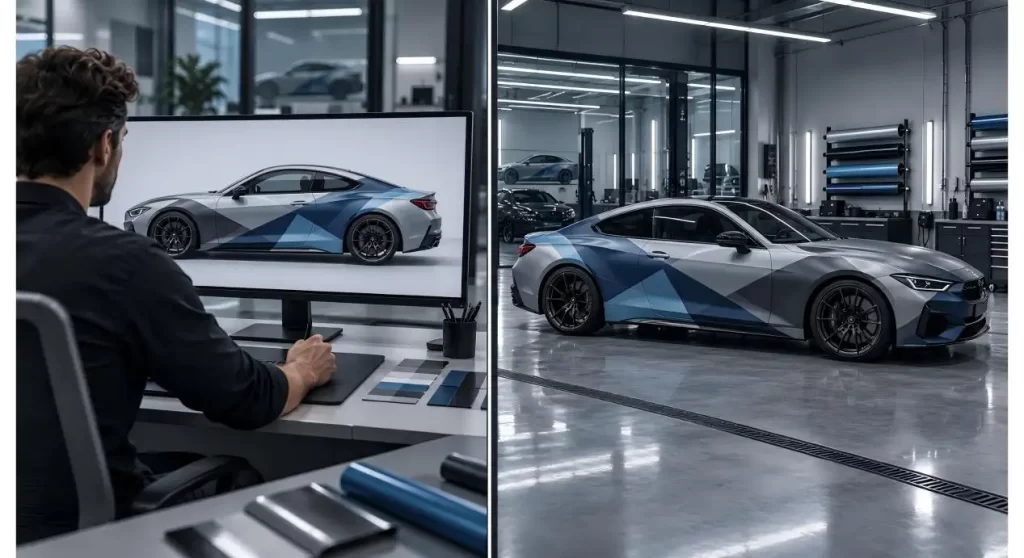
The personal idea to repeatable result;
A strong personalized vehicle can be easily identified, yet not overpowering the design. Start at a known point - known as having an IDENTITY; work with the geometry of the car; control the colour palette; and check that all design elements can be fitted and produced.
For brands that need private-label films, samples, packaging, or films with special specifications, HEY FILM offers them OEM/ODM film support. If you want to ask about the product or cooperate with it, please contact HEY FILM.
FAQ
Q1. Is it possible to design a “one of a kind” car wrap?
Yes. Custom colors and original artwork, textures, patterns and combinations of panels can produce a unique look. Even though it won't be printed, there are still design considerations to take into account such as material behavior and vehicle geometry.
Q2. Is it necessary to wrap the whole thing to use for personalization?
Other areas such as roof, mirrors, stripes, trim, lower panels and certain graphic areas can offer a powerful personalized impression without consuming as much material.
Q3. Will it work to print a photo on car film?
Of course, if the picture is large enough and ready for large format printing. Placement should not be in a very crooked area or with a panel break.
Q4. Can customized film be taken off?
Quality automotive vinyl is meant for easy removal from an appropriate factory paint. The outcome is influenced by the state of the paint, the age of the film, the level of exposure and how it was removed.
Q5. How to duplicate a damaged custom-made sign?
Store the original artwork, color settings, product codes, batch information and installation pictures. Any type of printings that were not used can be useful as well.