




Hot Tags
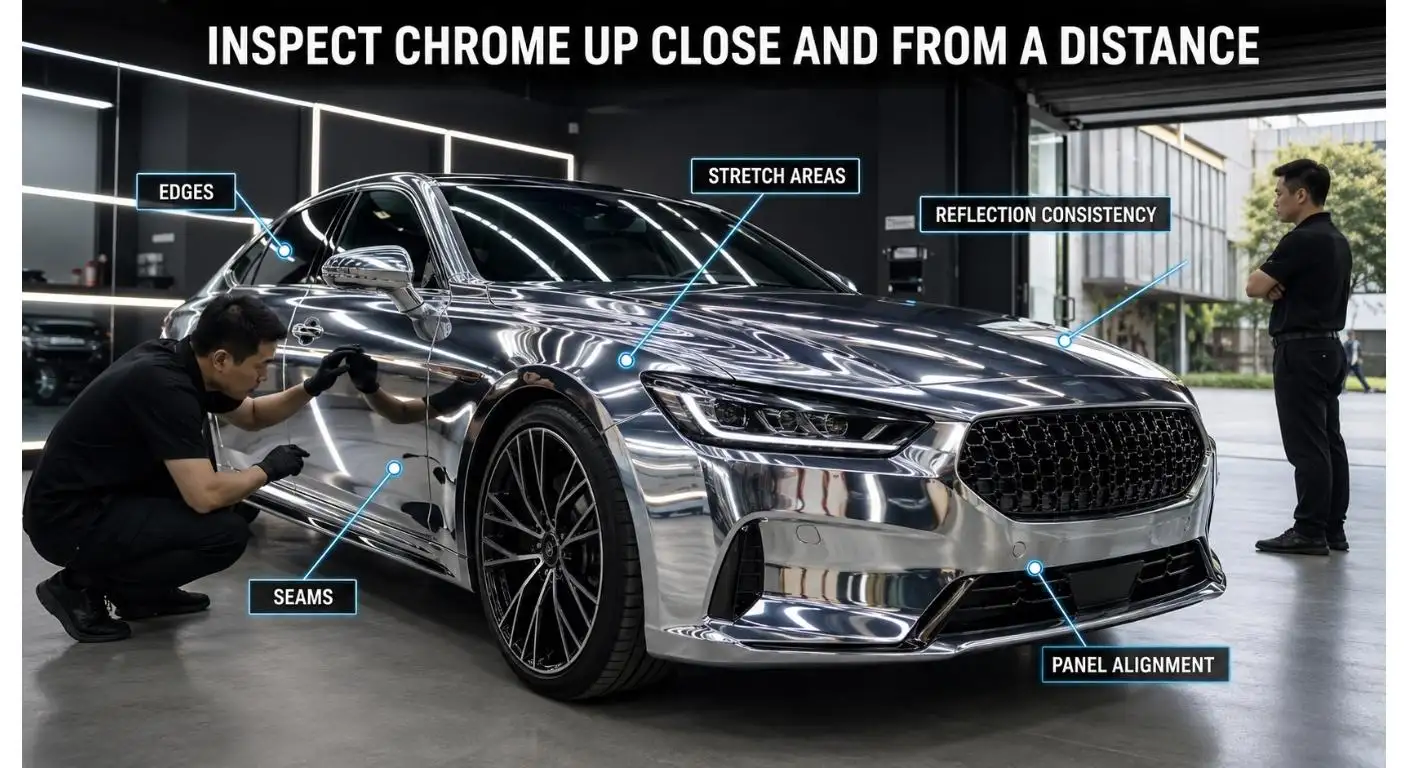
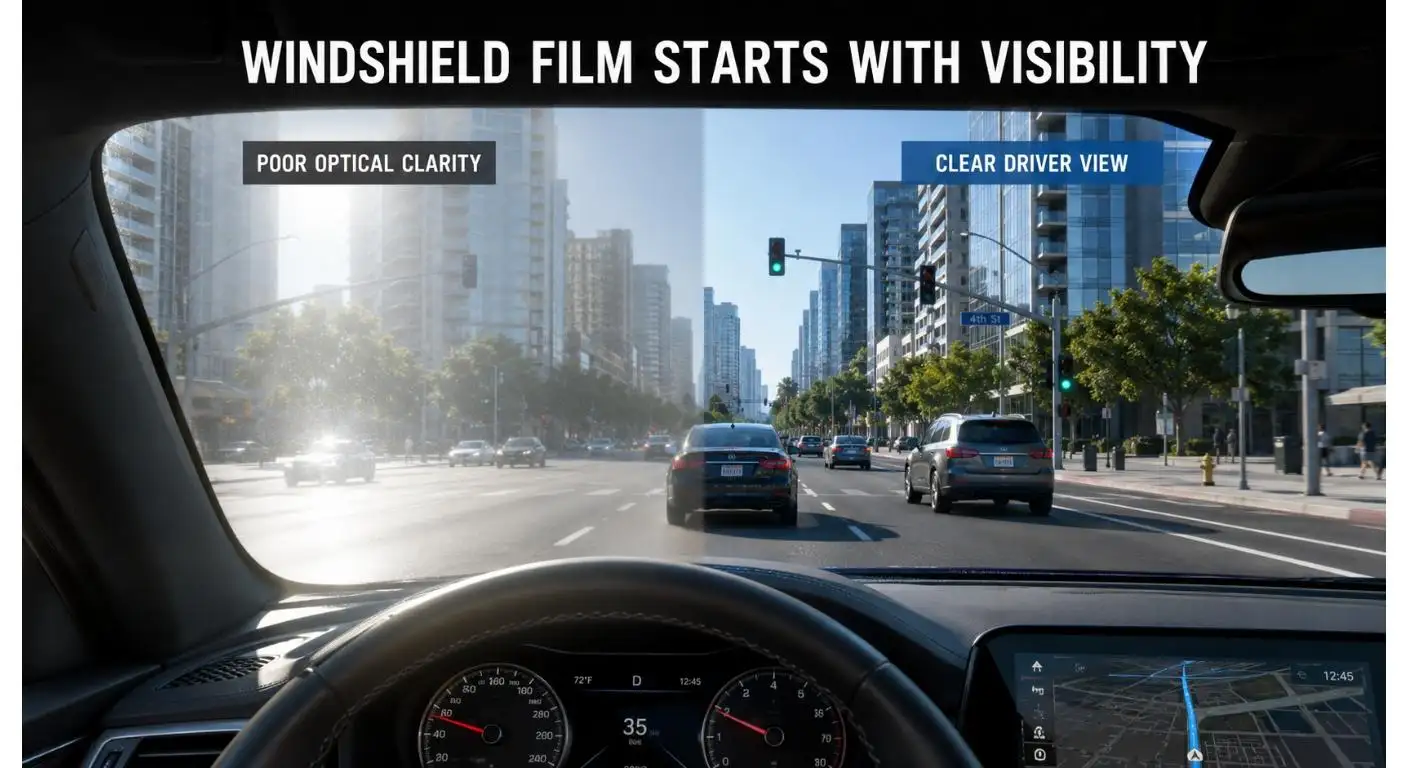
Customizable PPF Film: How to Specify Color, Structure, Adhesive, and OEM Requirements
July 14, 2026


Customizable PPF Film allows control over appearance, protection, application behavior, dimensions, and private-label presentation. Changing pigments, topcoat chemistry, TPU thickness, adhesive, or finish can also affect stretch behavior, edge stability, maintenance, aging, and batch consistency.
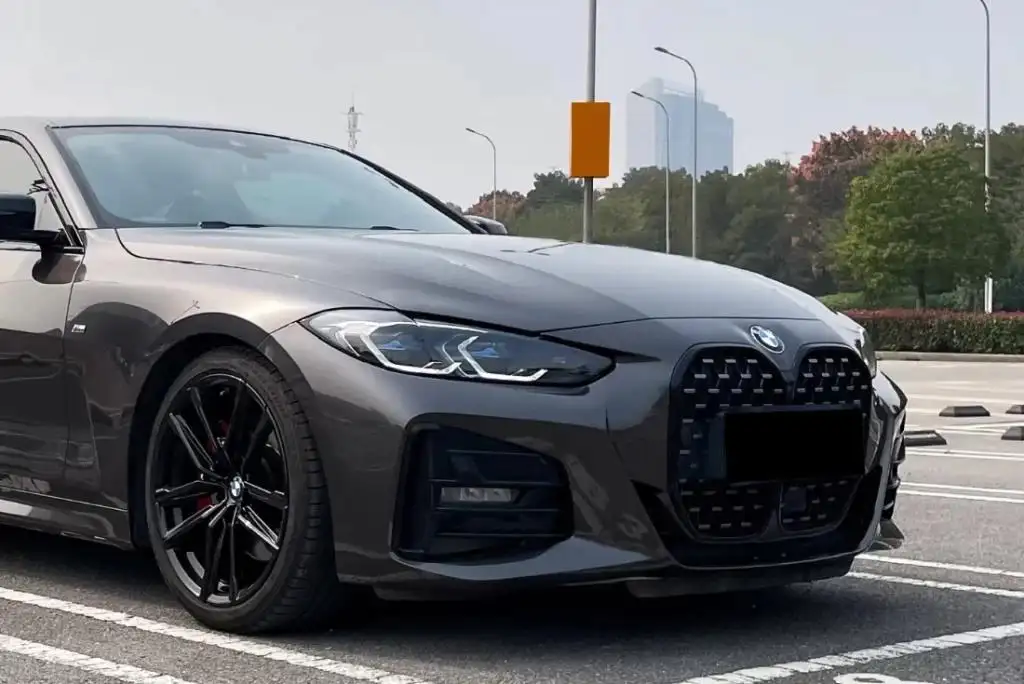
The decision should begin with the application problem rather than product claims.
When Standard PPF Does Not Fit the Project
Standard clear gloss film suits projects that preserve factory paint. It may not suit matte conversion, exclusive colors, patterned finishes, unusual roll formats, or specific installer workflows.
Common problems include color shift over dark paint, uneven metallic effects after stretching, limited repositioning, difficult curve wrapping, and later batches that differ from the approved sample.
These are system problems involving film, paint, geometry, climate, installation, and quality control.
What Can Be Customized Inside PPF?
PPF normally combines a functional topcoat, TPU base, pressure-sensitive adhesive, and release liner.
| Layer | Function | Possible Customization |
| Topcoat | Gloss, stain resistance, hydrophobicity, light-scratch recovery | Gloss level, texture, surface chemistry |
| TPU | Flexibility, impact absorption, appearance | Thickness, color, transparency, hardness |
| Adhesive | Positioning, wet-out, edge retention | Initial tack, final peel, wet/dry application |
| Liner and packaging | Processing and delivery | Release force, roll size, core, label, carton |
Packaging changes need limited validation, while new pigments, TPU thicknesses, or adhesives require renewed stretch, peel, aging, and installation testing.
Compare the Available Film Architectures
| Option | Best Suited To | Main Risk |
| Clear gloss | Preserving factory gloss | Haze, orange peel, yellowing |
| Clear matte | Matte conversion or matte-paint protection | Uneven gloss, visible partial repairs |
| Opaque color PPF | Protection plus color change | Stretch whitening, batch color variation |
| Translucent PPF | Combining film effect with original paint | Different results on different base colors |
| Patterned PPF | Carbon or printed effects | Pattern distortion and panel alignment |
| Extra-thick PPF | High-impact areas | Stiffness and difficult edge wrapping |
Wet-apply systems provide more positioning time but depend on solution control. Dry-apply systems reduce liquid handling but require suitable tack, air release, and accurate stretch paths. The choice must match installer skill and panel complexity.
Why Thickness Alone Is Not Enough
An "8 mil PPF" description does not show how much thickness belongs to the TPU, topcoat, or adhesive, nor how the film behaves on complex curves.
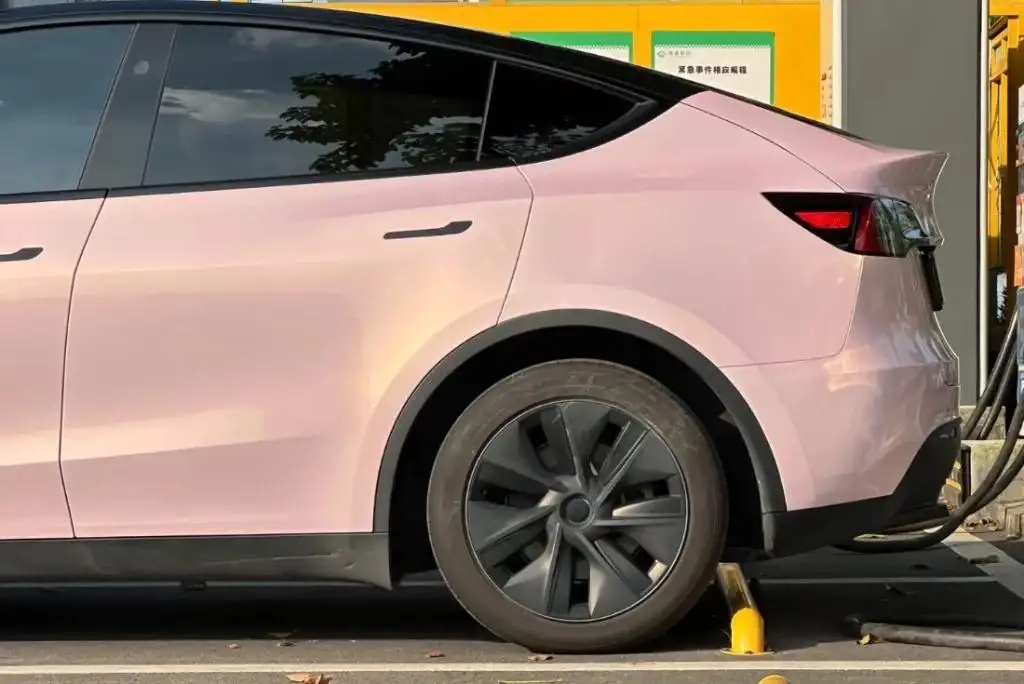
The following are the requirements when interpreted together:
• Thickness of the TPU: Protection and rigidity.
• Tensile strength: Stress that results in failure.
• Elongation at break: Maximum stretch that occurs during break.
• Elastic Modulus: Indicates the degree of difficulty to stretch a material versus the ease of deformation.
• Shrinkage: Ability of the edges of a material to maintain their original position.
• Initial tack and final peel: Differences between repositioning and permanent adhesion.
• Gloss, haze, DOI, and color difference: Variations in appearance.
• Contact angle and sliding angle: Behavior of water on the surface (not cleanability).
• Self-healing conditions: Type of scratch, temperature, and time needed for recovery.
A topcoat that is harder will give improved abrasion resistance but decreased flexibility. Adhesion along the edges may be improved but may also result in decreased edge quality during installation.
Match the Film to the Application System
Factory paint, repaired panels, matte paint, and aged clearcoat do not present the same adhesion or removal risk. Repainted panels should be tested before full installation.
Complex bumpers require more than a high elongation figure. Modulus, recommended stretch range, color change under strain, adhesive movement, and heat recovery must be evaluated together.
Climate also changes the priority:
• High UV: Yellowing, color shift, and gloss retention.
• High heat: Adhesive flow and edge stability.
• Cold conditions: Flexibility and impact behavior.
• High humidity: Hydrolysis resistance and trapped moisture.
A capable film can still fail when it does not match the installer's method or training.
Control Installation and Maintenance Risks
Samples should be approved on painted flat panels and representative curves. Color PPF should also be tested over several base colors and defined stretch levels.
Installation trials should record temperature, application method, stretch percentage, repositioning, silvering, adhesive marks, edge lift, and appearance after 24 hours.
Maintenance must correspond to the finish. Various cleaning agents or a lack of polish may be required for gloss, matte, or patterned films. Abrasives, aggressive solvents, and unsuitable pH cleaners can damage the topcoat before the TPU fails.
Verify Claims with Test Conditions
| Claim | Evidence to Request |
| Thickness | Layer definition and test method |
| Tensile and elongation | ASTM D882 or equivalent conditions |
| Peel adhesion | ASTM D3330 or equivalent, with substrate and dwell time |
| Haze and transmission | ASTM D1003 for transparent films |
| Gloss | ASTM D523 or D2457, with measurement angle |
| Yellowing and color shift | Before-and-after YI and ΔE |
| Weather resistance | ISO 4892 cycle and post-aging results |
| Chemical resistance | Chemical, concentration, temperature, and contact time |
ISO 9001 supports evaluation of a quality-management system but does not replace product reports. REACH-type declarations address restricted substances, not protection, adhesion, or self-healing.
Turn the Approved Sample into a Controlled Purchase
Before quotation, define whether the project changes appearance, performance, dimensions, packaging, or all four. The specification should include the approved color and gloss master, tolerances, recommended stretch range, adhesive method, roll dimensions, MOQ, lead time, batch COA, traceability, change notification, and warranty responsibility.
HEY FILM information such as elastic TPU construction, a hydrophobic topcoat, light-scratch recovery, an ultra-gloss finish, and manufacturer warranty can be introduced where relevant. Claims such as "four times thicker" or a 10–12-year warranty should still identify the comparison basis, covered defects, exclusions, and installation conditions.
Final Words
Ready to develop a Customizable PPF Film for your brand or market? HEY FILM combines elastic TPU construction with a self-healing hydrophobic topcoat, an ultra-gloss, paint-like finish, and protection significantly thicker than traditional vinyl wraps. Supported by a 10–12-year manufacturer's warranty, PURE PPF is designed to resist wash abrasion, rock chips, scratches, and premature surface wear.
Contact HEY FILM to discuss custom colors, finishes, specifications, roll sizes, private labeling, samples, MOQ, and production requirements.
FAQs
Q1. What is HEY FILM's warranty policy?
HEY FILM offers a warranty of 10–12 years for certain defects in materials or workmanship caused by conditions of normal use.
Q2. What components of PPF are customizable?
Customization is commonly available for gloss levels, colors, TPU thicknesses, the properties of the topcoat, adhesives, dimensions of the roll, labels, cartons, and branding.
Q3. How is colored PPF different from vinyl wrap?
Colored PPF has a color changing finish and is typically made from a thicker, more elastic, and more protective TPU.
Q4. Does the thickness of PPF directly relate to the amount of protection it offers?
While thicker TPU helps with absorption of impact, protection is also a function of elasticity, tear resistance, the performance of the coating, and the quality of the installation.
Q5. What are the limits of self-healing topcoats?
Self-healing topcoats can reduce the visual impact of light scratches and wash marks. Generally, deep scratches or damage that goes through the film cannot be healed.