




Hot Tags
PPF and Vinyl Wrap Installation: How Materials, Adhesives, and Surface Conditions Affect Results
July 24, 2026


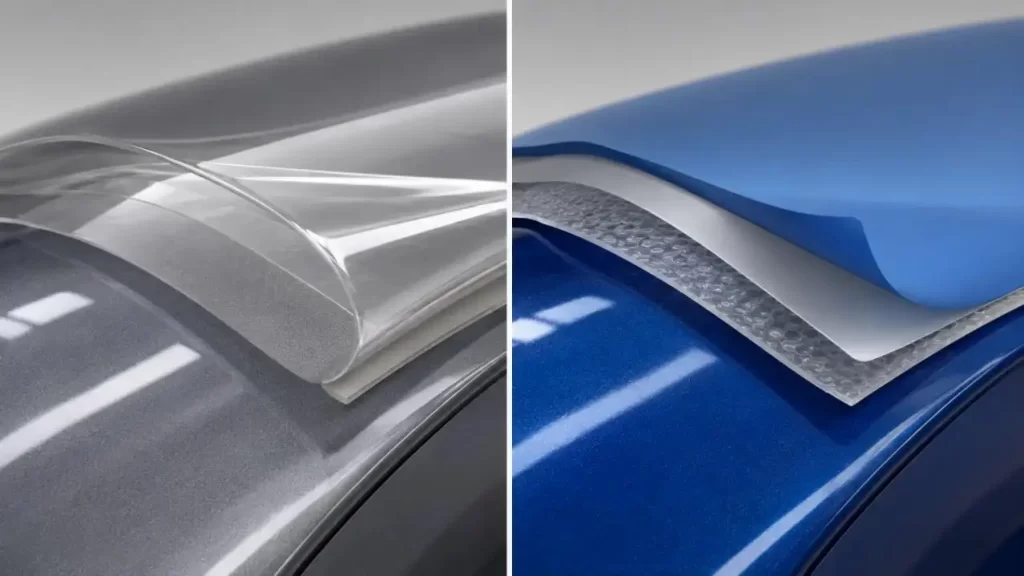
PPF and Vinyl Wrap Installation seem similar, as both utilize a flexible film technology as an outer layer to automotive panels. However, the technology underlying both solutions differs substantially and includes the material, adhesives, positioning, and the methods of stress relief.
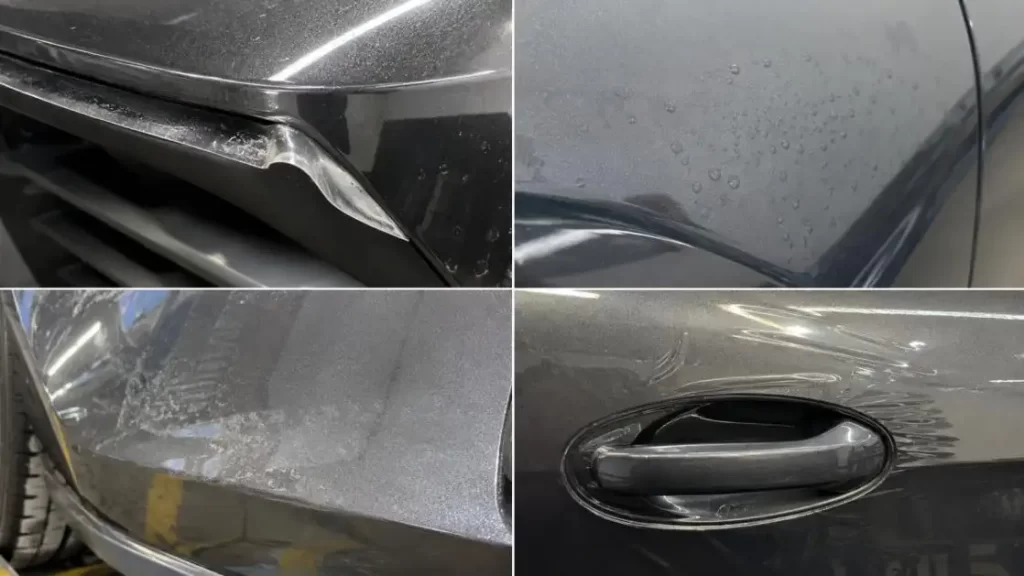
The various manifestations of failed installations of PPF and Vinyl Wrap, such as trapped moisture, bubbling, edge lifting, overstretched areas, and uneven gloss, occur because the film, vehicle surface, panel geometry, and the installer's methodology were not perfectly aligned.
What Causes the Differences in PPF and Vinyl Wrap Failures?
Common issues with PPF include trapped moisture, lifting, illuminating haze, stretch marks, and edge lifting. Installations of vinyl wraps generally result in edge lifting, color distortion, wrinkles, air pockets, and adhesive shrinkage.
Some of the factors causing wrap and PPF failures include:
• Contamination of the surface: Poor adherence to the film substrate can result from the presence of residues such as wax, polishing compounds, dust, and recently applied ceramic coatings.
• Incorrect tension: Stretching the film is not recommended because it creates residual inherent stress on the film that can cause it to pull away from edges.
• Suboptimal temperatures: Low temperatures can lead to poor adhesion. Conversely, high temperatures can heat the film to the extent that it distorts and changes the shape of the film.
• Wrong installation method: Wet installation techniques used on a dry-apply vinyl or vinyl stretching methods used on PPF, can cause failure.
• Unstable paint: Refinished or insufficiently cured paint may create adhesion or removal risks.
The first step is therefore to identify whether the problem comes from the film, adhesive, paint, environment, or installation process.
Why Material Structure Determines the Installation Method
Most transparent PPF products use an elastic polyurethane, commonly TPU, combined with a pressure-sensitive adhesive and a protective topcoat. The elastic film can conform around curves and recover from limited deformation, but excessive stretching can reduce thickness and create visible distortion.
Vinyl wrap is commonly based on PVC or a similar colored film. Its appearance may depend on pigments, metallic particles, textures, or printed graphics. Stretching can therefore change not only thickness but also color density, gloss, and pattern direction.
The adhesive layer is equally important. Installers should evaluate:
• Initial tack
• Repositionability
• Final adhesion
• Air-release structure
• Adhesive clarity
• Removal behavior
A soft film with aggressive initial tack may be harder to position than a slightly stiffer film with controlled tack. Film flexibility alone does not determine installation ease.
Wet-Applied PPF vs. Dry-Applied Vinyl Wrap
PPF and vinyl wrap usually use different positioning and air-removal principles.
| Installation factor | PPF wet application | Vinyl wrap dry application |
| Positioning | Slip solution allows movement | Low initial tack supports repositioning |
| Material removed | Water, solution, and air | Primarily air |
| Main tools | Spray bottles, squeegees, absorbent towels | Squeegee, magnets, heat gun, cutting tools |
| Main risks | Trapped moisture, edge contamination, haze | Wrinkles, adhesive lines, overstretching |
| Critical control | Solution ratio and water evacuation | Tension, heating, and air release |
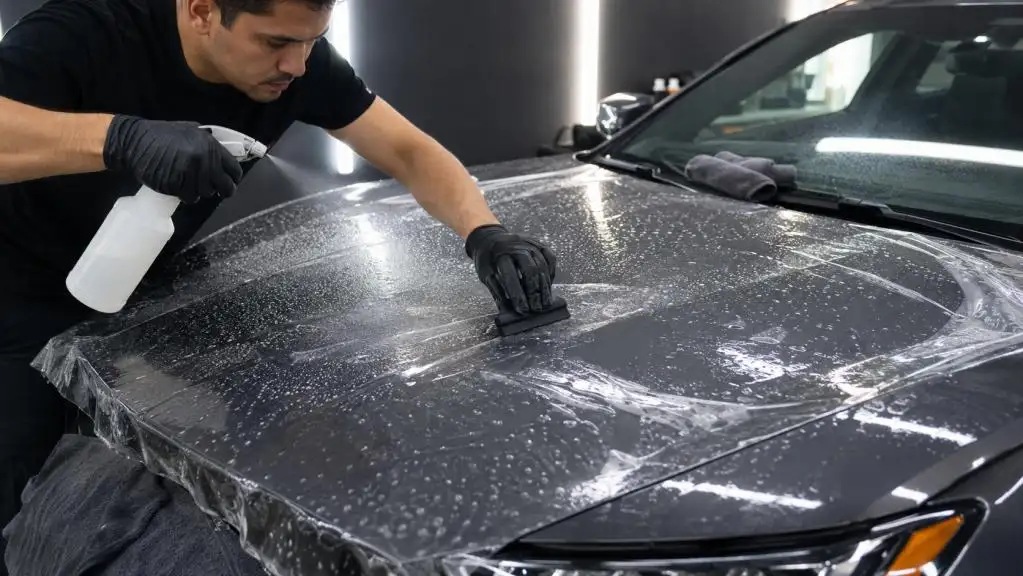
During PPF installation, too much slip solution may improve movement but delay edge bonding. Too little solution may cause the adhesive to grab before the film is correctly positioned. Tack solution is generally used selectively around edges, corners, and difficult contours.
Vinyl wrap normally relies on pressure-sensitive adhesive and air-release channels. These channels reduce trapped air but do not make the film bubble-proof. Heavy pressure applied too early can close the channels before the air has escaped.
Full-Sheet Coverage, Pre-Cut Kits, or Sectional Installation?
The correct installation strategy depends on panel geometry rather than on the idea that fewer seams always indicate better workmanship.
Full-sheet Installation
This can create a continuous appearance on relatively open panels. However, forcing one sheet into deep recesses may create concentrated stress, thinning, or later lifting.
Pre-cut Kits
Pre-cut patterns minimize cutting required near painted surfaces and increase the cutting consistency of installers. The accuracy of pre-cut templates, a reduced wrapping allowance, and limited adaptability for modified body parts are some of the trade-offs.
Hand Cutting and Sectional Installation
Hand cutting provides the greatest amount of control for an installer, especially for edge coverage and more complicated shapes. This method, however, is more time consuming and requires both more skill and more careful control of the cutting knife. Strategic seams may be more durable than overstretching one sheet across an unsuitable shape.
Complex bumpers, mirrors, wheel arches, and deep handle recesses should be evaluated individually.
Parameters That Must Be Considered Together
Installation parameters should not be judged separately.
Temperature, Tack, and Repositionability
As surface temperature increases, many adhesives become more active. A high-tack film may become difficult to reposition in a warm workshop, while a low-tack film may struggle to secure edges in cold conditions.
Film Thickness, Pressure, and Conformability
Increased film thickness can help provide separation from road debris. However, film thickness can also affect the control where the film is subjected to pressure around curves. A squeegee with a hard edge will evacuate moisture but can leave marks.
Stretching, Appearance, and Residual Stress
Excessive stretching can cause:
• Reduced film thickness
• Color or gloss variation
• Distorted metallic particles or textures
• Increased edge tension
• Shrinkage from recessed areas
Manufacturer-specified stretching and heating limits should therefore take priority over general installation habits.
Matching the Film to Paint, Geometry, and Climate
Before installation, the technician should confirm whether the vehicle has factory paint, repaired panels, fresh paint, plastic components, ceramic coatings, or polished surfaces.
Refinished paint may not have the same adhesion strength as factory-applied paint. A hidden-area adhesion test may be appropriate when the paint history is uncertain.
Climate also affects product selection. Adhesive activity and dimensional stress can be exacerbated with high temperatures. Conversely, low temperatures can inhibit bonding. High humidity can prolong the evaporation of moisture from PPF after its application. Verified testing of weathering and color stability in direct sunlight can be even more critical in these conditions.
The required function must also be defined:
• Transparent PPF: Focuses solely on the protection of paint and on optical clarity.
• Color PPF: combines the protection of paint and optical clarity with protection of a greater thickness and an added aesthetic effect.
• Vinyl wrap: Emphasis is placed on color and/or texture, or branding, and/or other forms of customizations that are intended to be more temporary.
Control During and After Installation
Both films require a thorough wash and decontamination followed by degreasing, seam cleaning, and inspection of the panels.
With PPF, the typical process is the application of a slip solution, followed by squeegee control, moisture removal, locking the edge, and a final inspection.
With vinyl wrap, the typical process is dry positioning, a heat control process, uniform tension, trimming, edge wrapping, and post-heat if necessary.
After installation:
• Do not wash the vehicle until the edges of the film and adhesive have stabilized.
• Avoid high-pressure washing near film edges.
• Inspect recesses and wrapped edges again after the initial stabilization period.
• Use cleaning products compatible with the film and topcoat.
Small moisture pockets under PPF may reduce as the film stabilizes, but contamination, hard creases, adhesive distortion, and stressed edges normally require correction.
How Can the Installation Quality Be Verified?
Technical verification should include more than a visual inspection.
Buyers and installers should review:
• Technical data sheets
• Recommended application temperature
• Film and adhesive thickness
• Peel adhesion data
• Tensile and elongation performance
• Weathering and color-change tests
• Storage requirements
• Removal conditions
• Warranty exclusions
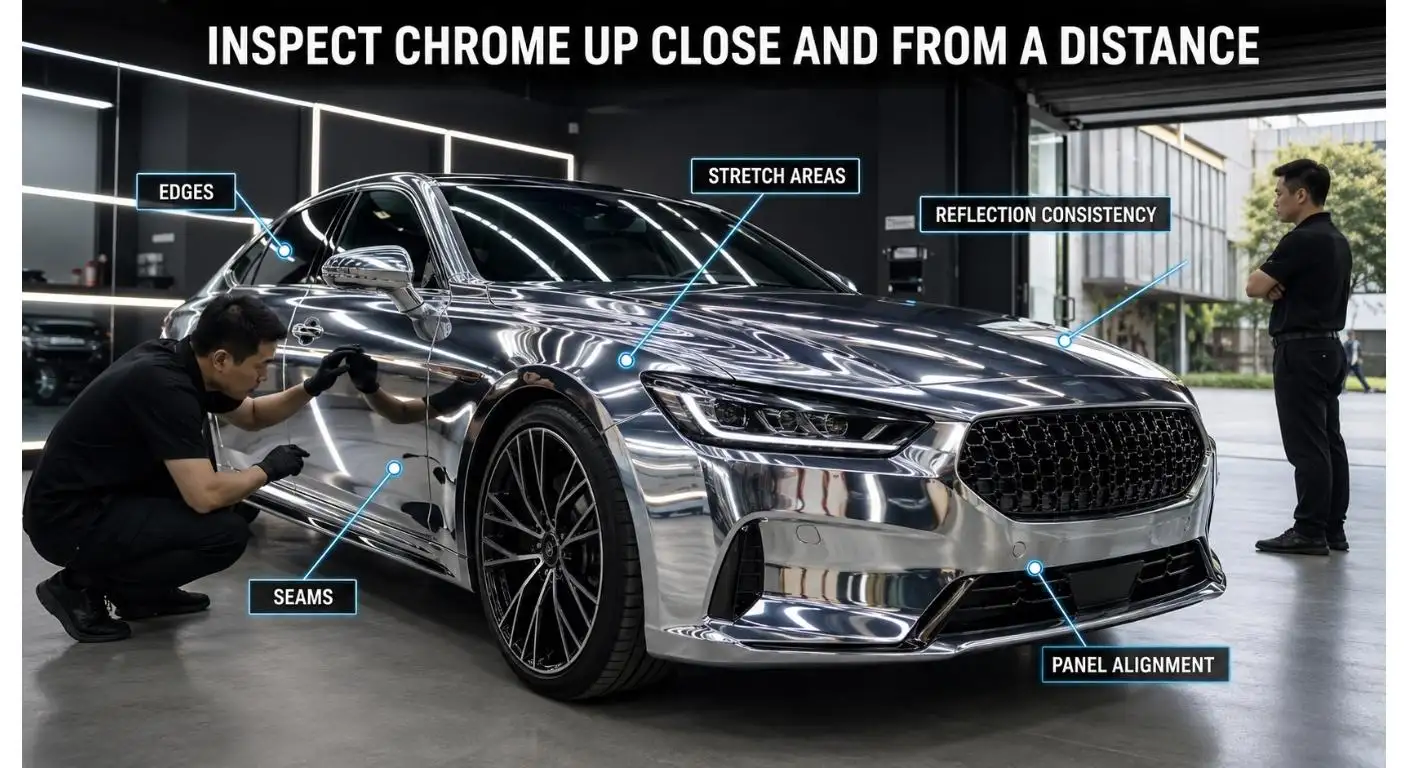
Installation acceptance should examine edge security, seam placement, trapped contamination, optical consistency, overstretched areas, and lifting around recesses.
Specific temperatures, solution ratios, stretch limits, and curing periods should come from the manufacturer’s installation guide rather than being copied from unrelated products.
Making the Final Procurement Decision
The lowest film price does not necessarily produce the lowest installed cost. Procurement should consider material waste, installation time, technician skill, rework risk, training requirements, and warranty responsibility.
Before placing a large order, request samples and test them on flat panels, compound curves, recesses, and wrapped edges. HEY FILM will offer batch traceability along with installation and storage guidance, technical support, and warranty clarification.
PPF and Vinyl Wrap Installation success relies on the same adhesive behavior, film structure, and coordinator between the paint condition, panel geometry, climate, and the workflow of the installer. PPF and vinyl wrap may share preparation steps, but their positioning, stretching, heating, edge treatment, and stabilization requirements should never be treated as interchangeable.
FAQs
Q1. What is the main difference between PPF and vinyl wrap installation?
PPF is mostly installed using the wet application method. Vinyl wrap, on the other hand, is mostly a dry application method using pressure-sensitive adhesive.
Q2. Can the installation method for PPF and vinyl wrap be the same?
No. They have different material structure, behavior of the adhesive, stretching limits, heating requirements and methods of positioning.
Q3. What is the purpose of using slip solution when installing PPF?
The slip solution gives the installer an opportunity to move the PPF to the desired location and allows for the removal of any air or liquid that may become trapped behind the film before the adhesive sets.
Q4. Do air-release vinyl wraps prevent all bubbles?
No. While air-release channels help to remove trapped air, bubbles may still form as a result of pressure variability, contamination, among other factors.
Q5. What typically causes the edges of a wrap to lift after installation?
Some common causes include contamination, insufficient pressure, excessive stretching, low temperature, poor post heating, or washing the vehicle too soon after.