




Hot Tags
PPF for Cars: Why Paint Protection Film Is a Smart Choice for Vehicle Protection
August 10, 2026


Road debris, scratches, UV rays and weather are just a few of the dangers that threaten a vehicle's exterior on a daily basis. PPF for Cars is a sensible solution for owners who wish to keep the car's original appearance.
Paint protection film is in contrast to the temporary protection methods in that it can be used to help maintain the integrity of the surface of the vehicle while still maintaining the original paint finish. PPF is a popular option for the long term paint protection of new cars, luxury cars and performance cars.
PPF in Car – What Is It?
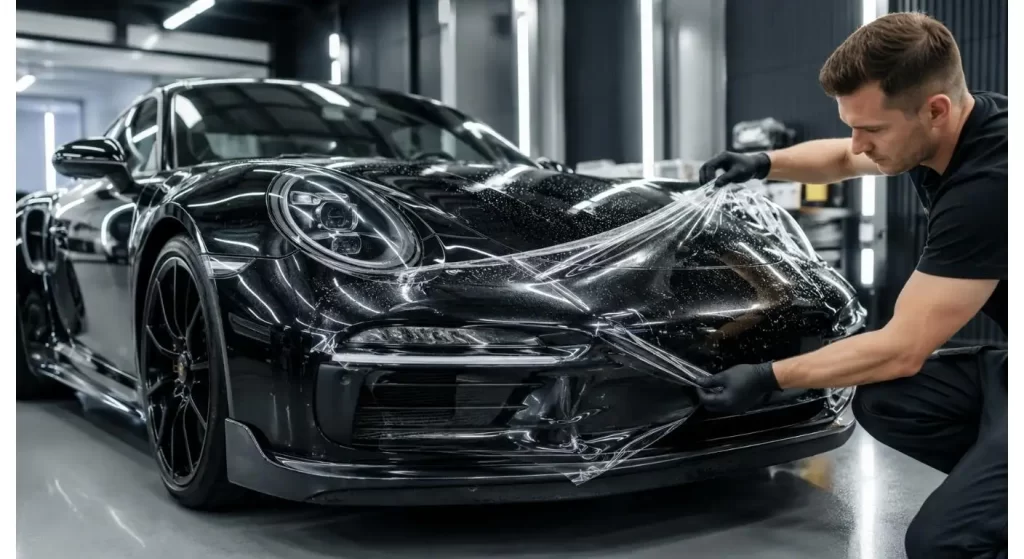
Paint protection film, also known as PPF for Cars is a clear protective film that is applied directly on a vehicle's painted exterior.
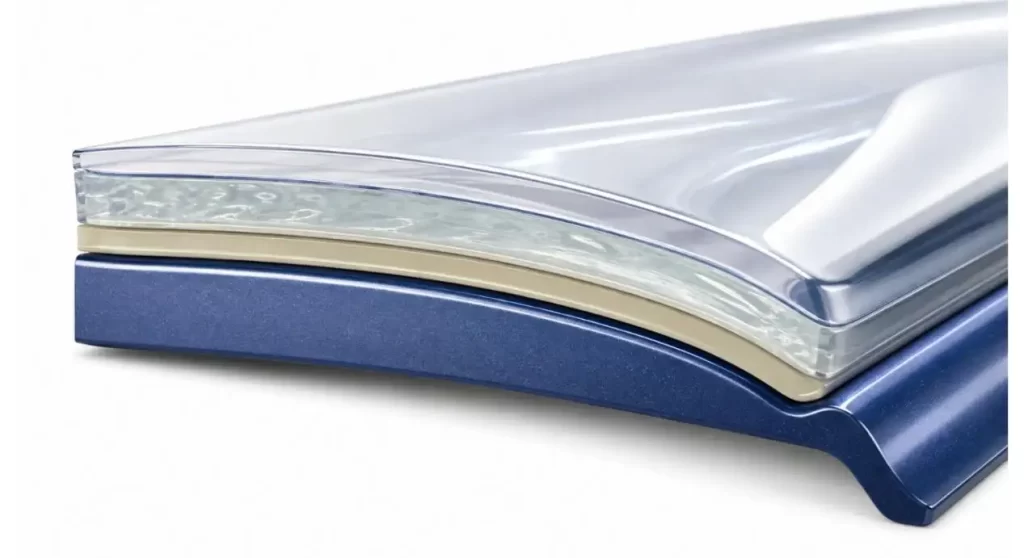
It is typically manufactured using cutting-edge TPU (Thermoplastic Polyurethane) material and has multiple layers with functionality such as a protective top layer, adhesive layer, etc. These structures combine to form a sort of wall between the car paint and the outside.
PPF is unlike conventional protection measures, which just enhance the appearance of the surface.
For more information about paint protection film technology, visit:
How Does PPF Help Yourself Car Paint?
PPF is primarily a way of minimizing the damage from common driving scenarios.
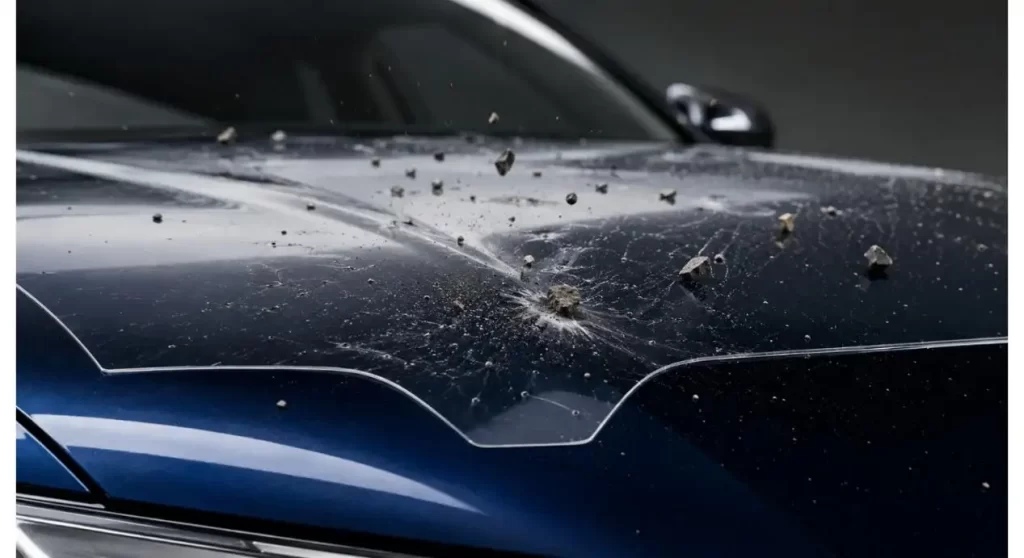
Stone Chips Protection
Front compartments of vehicles can be severely affected by small stones and road debris travelling at high speeds. PPF will absorb some of these impacts and minimise the risks of paint damage being visible.
Scratch Resistance
Surface scratches can occur from door edges, parking areas and frequent cleaning. A good PPF layer will offer extra protection against many small scratches.
UV & Weather Protection.
Paint appearance may be impacted by long-term exposure to sunlight. PPF is used to ensure the surface is protected from the environment and to keep the paint clear.
Easier Vehicle Maintenance
The smooth film surface allows for easier cleaning and helps to maintain a clean appearance with regular cleaning and maintenance.
The figure shows the percentage of passenger cars that are protected by PPF and other means.
Before deciding, many car owners take the time to review PPF and spot difference between PPF and Wax, PPF and Vinyl Wrap and PPF and Ceramic Coating.
PPF vs Other Vehicle Protection Methods
Many vehicle owners compare PPF with ceramic coating, wax, and vinyl wrap before making a decision.
| Solution | Primary Purpose |
| PPF | Physical paint protection |
| Ceramic Coating | Surface enhancement and easier cleaning |
| Wax | Temporary shine and protection |
| Vinyl Wrap | Vehicle appearance customization |
PPF is primarily for those looking to preserve original paint and vinyl wrap is for more of an appearance change.
Find out more about the two types of wrap or paint:
Why is it important to install PPF on a new car?
The paint condition of new cars is generally at its best when it leaves the manufacturer. This original finish can be preserved to ensure that the vehicle looks its best over time.
PPF is particularly recommended for:
- New car owners
- Luxury vehicle owners
- Sports car enthusiasts
- People who drive their cars often on the freeway
The decreased damage to paint could also contribute to better vehicle resale values as the paint would still be in a better state.
What Parts Of A Car Do You Need PPF Protection For?
All vehicle areas are not created equal. Many owners focus on the high risk areas first.
Typically installed in:
- Front bumper
- Hood
- Side mirrors
- Fender areas
- Door edges
One of the most favored places to install is the front section of a vehicle as it is exposed to road debris more often.
The following areas usually receive higher exposure during daily driving and are commonly selected for PPF protection:
| Vehicle Area | Main Protection Reason |
| Front Bumper | High exposure to road debris |
| Hood | Protect against stone chips |
| Side Mirrors | Protect exposed surfaces |
| Fender | Reduce impact damage |
| Door Edge | Prevent daily scratches |
For information on professional installation:
Professional PPF installation process is explained in this section.
The installation quality of PPF directly impacts the final look and lifespan of PPF.
Vehicle Preparation
Vehicle surface to be cleaned and inspected prior to installation.
Film Cutting
Professional installers employ proper patterns to ensure that the vehicle's shape is matched and minimize unnecessary cutting.
Film Application
The film is carefully positioned and applied so as to avoid bubbles and effectively cover the surface.
Final Inspection
Before completed edges, corners and surface conditions are tested.
What is the best kind of PPF to select for your vehicle?
The decision to pick PPF doesn't just boil down to picking a film product. Installation quality and vehicle usage and protection requirements are also important.
Consider:
Film Quality
PPF should include:
- Clear appearance
- Stable surface performance
- Long-term durability
Installation Experience
Better edge finishing and appearance can be achieved by professional installation.
Driving Environment
For some vehicles, like those that will be driven in the highway or have the outdoors as their parking spot, or are used regularly, it may be better to go with a full or partial PPF protection.
| Consideration | Why It Matters |
| Film Material | Affects protection performance |
| Installation Quality | Influences appearance and durability |
| Driving Environment | Determines protection needs |
| Vehicle Value | Helps decide coverage level |
Explore HeyPPF solutions:
Conclusion: Are PPF for Cars Worth It?
PPF for Cars is not just an accessory to show off. This is a long term protection solution to help maintain original condition of paint.
Paint protection film offers drivers a good method for safeguarding their investment, especially those who care about the appearance of their vehicles, resale value, and minimizing the necessity for paint repairs.
FAQ
Q1. Should you get a PPF package with a new car?
Yes. PPF is used to prevent damage to factory paint, like stone chips and scratches.
Q2. What is the lifespan of PPF on cars?
Lifespan varies depending on the quality of the film, installation and maintenance conditions.
Q3. Does PPF harm original paint?
No. Professional PPF will preserve original paint and can be removed properly.
Q4. Does PPF stop ALL scratches?
While PPF does help to minimise many surface scratches and impacts, it cannot eliminate all types of damage.
Q5. Which is better, PPF or Ceramic coating?
The primary difference between the two is in their functions: PPF is primarily about physical protection, whereas ceramic coating primarily enhances surface properties and maintenance.